
Muscle Moms Are Rewriting Motherhood—Here's Why
The Muscle Mommy Movement is a social media fitness trend that emerged in the early 2020s, prioritizing strength training and muscle definition over traditional cardio and restriction. Women across platforms like TikTok are reshaping fitness culture by celebrating heavy lifting and rejecting outdated beauty standards.
What Is The Muscle Mommy Movement?
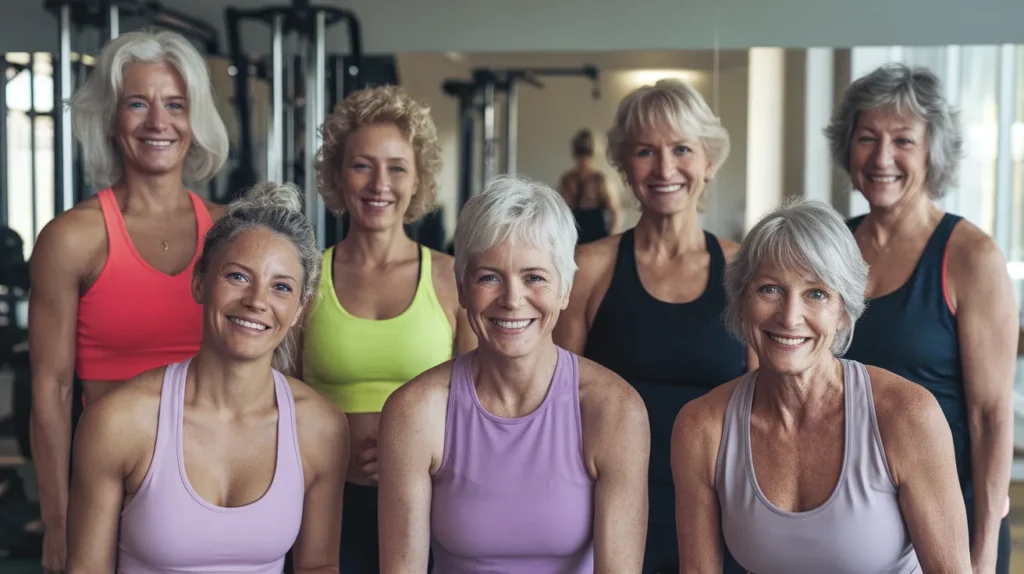
Women who lift heavy weights have been posting gym selfies online for years. What is The Muscle Mommy Movement? It’s a fitness shift that rejects thinness as a goal. Strength training replaces cardio and restriction in a thousand daily feeds.
What is The Muscle Mommy Movement and How It Started on Social Media
The movement emerged as a social media fitness trend in the early 2020s, gaining popularity particularly on TikTok. At the time, the #musclemommy hashtag garnered over 44 million views on the platform. Women began sharing videos of themselves deadlifting, squatting, and showing off visible muscle definition. These posts looked nothing like the clean eating and Pilates content that dominated feeds before.
Google searches for “muscle mommy” and “strength training women” jumped in 2025. This wasn’t just internet chatter. Women actually changed what they did in the gym. They picked up barbells instead of five-pound dumbbells. They ate more protein instead of cutting calories.
The term itself likely emerged organically within online fitness communities, a playful and empowering label for women who embrace their strength. Fitness influencers like LeanBeefPatty became icons. Their content showed sweat, effort, and real training sessions. No filters on body composition changes.
The Physical Side of What is The Muscle Mommy Movement
A Muscle Mommy possesses a visibly muscular physique achieved through dedicated weight training, showcasing defined biceps, triceps, quads, and other muscle groups. This goes beyond what magazines used to call “toned.” You can see actual muscle. Shoulders have shape. Arms show definition without flexing.
Training focuses on compound exercises like squats, deadlifts, bench press, and overhead press, working multiple muscle groups simultaneously to promote overall strength and muscle growth. Sessions last 60 to 90 minutes. Rest periods between sets matter. Progressive overload is the rule, not the exception.
Muscle hypertrophy in women develops more slowly and moderately than in men due to hormonal differences, particularly lower testosterone levels. This fact destroys the old fear of “getting bulky.” Building visible muscle takes years of consistent work. It doesn’t happen by accident.
Women in this movement track their lifts like athletes. They know their one-rep max. They adjust volume and intensity based on recovery. This level of detail was rare in women’s fitness content five years ago.
Why What is The Muscle Mommy Movement Matters for Mental Health
A 2021 study found that mothers who engage in strength training reported improved body satisfaction and mental well-being compared to those focused solely on aesthetics. The difference comes from what you measure. Lifting teaches you to care about what your body does. Not just how it looks.
Strength training releases endorphins, and individuals who exercise regularly have a 26% lower risk of developing depression. This isn’t fluffy wellness talk. The data is solid. Lifting heavy things changes your brain chemistry.
Weight training boosts confidence, self-esteem, and body positivity, providing a sense of accomplishment and control and empowering women to take charge of their physical well-being. You finish a hard set and know you did something concrete. No ambiguity about whether the workout “worked.”
Women report feeling more capable in daily life. They carry groceries without struggle. They move furniture alone. Physical confidence bleeds into other areas. Work meetings feel different when you deadlifted twice your bodyweight that morning.
Even Muscle Mommies Need This!
The Nutrition Behind What is The Muscle Mommy Movement
Building muscle requires eating enough, sleeping enough, and training progressively over years; it rewards patience and nourishment rather than restriction. This is the part that confuses women coming from diet culture. You eat more to get leaner. You prioritize protein over cutting carbs.
Muscle building requires a calorie surplus or maintenance. Protein targets sit around 0.8 to 1 gram per pound of bodyweight. This means most women need 120 to 150 grams daily. That’s four to five chicken breasts worth.
Meal timing around workouts becomes strategic. Pre-workout carbs fuel performance. Post-workout protein supports recovery. Women plan their eating like they plan their training splits. Everything has a purpose.
Side effects read like a longevity prescription, from bone density to metabolic health. Higher muscle mass means better insulin sensitivity. Stronger bones reduce fracture risk decades later. The aesthetic changes are temporary, but these benefits compound.
Cultural Impact of What is The Muscle Mommy Movement
The Pilates princess was known by her uniform and promise of long, lean lines, a body that takes up as little space as possible, representing one of the most toxic aspirational physiques of the decade. The muscle mommy movement rejects this entirely. Taking up space becomes the goal. Presence matters more than smallness.
Writer Magdalene Taylor stated that we’re slowly moving past the cultural belief that feminine women shouldn’t be muscular, and there’s no longer a women’s fitness binary split between the lean Pilates look and the ultra-swole of bodybuilders. A middle ground opened up. Women can look athletic without competing in bodybuilding shows.
Unlike traditional fitness marketing showcasing perfection, Muscle Mommies share authentic experiences, with influencers redefining beauty standards by showcasing bodies of all shapes, sizes, and stages. The content shows failed reps. Sweat-soaked shirts. Messy gym hair. This relatability drives more engagement than polished photos ever did.
Like daddy seen in slang used by gay men, “muscle mommy” is commonly used by the LGBTQ+ community, particularly by sapphics. The term crossed over into mainstream fitness, but its roots remain in communities celebrating non-traditional femininity. This context matters when understanding the movement’s values.
Common Challenges in What is The Muscle Mommy Movement
Many women face judgment for prioritizing their fitness, often being criticized for not fitting into the traditional mold of motherhood with questions like “Shouldn’t your kids come first?” or “Isn’t that selfish?” This guilt shows up constantly. Women apologize for going to the gym. They justify their training time.
The logistical challenge of squeezing in workouts amidst the chaos of motherhood, between work, childcare, school drop-offs, and daily household responsibilities, can feel impossible. Four-day training splits require planning and commitment to structured periodization. Sessions can’t happen spontaneously. Childcare arrangements determine workout schedules. Time management becomes critical for maintaining consistent training frequency and adequate recovery between sessions, which are essential for muscle protein synthesis and progressive strength gains.
Muscle Mommies get creative, working out during nap times, using early mornings, or turning everyday parenting activities into opportunities for movement. Some women lift at 5 AM before kids wake. Others train during lunch breaks. Home gyms become essential investments.
Motherhood brings inevitable physical changes, and reconciling post-pregnancy bodies with pre-pregnancy expectations can be mentally and emotionally taxing, with many struggling against societal beauty standards that emphasize “bouncing back” rather than embracing progress. The pressure to look unchanged after childbirth conflicts directly with strength training goals. Building muscle means gaining weight, not losing it immediately.
How Brands Respond to What is The Muscle Mommy Movement
Companies like Gymshark and Pursue Fitness now design apparel tailored to muscular physiques, reflecting the trend’s commercial viability. Standard activewear doesn’t fit women with developed quads and shoulders. Brands had to adjust sizing and cuts.
The rise of this movement ties to increasing consumer demand for protein-rich products designed specifically for women, with brands responding with supplements, protein bars, and shakes. Marketing shifted from weight loss promises to performance support. Product packaging changed from pink and floral to bold and minimal.
Athletic wear companies hired muscular women as models instead of just slim figures. This created a feedback loop. More representation led to more participation. More participation led to more representation.
Gym chains noticed too. Women’s-only sections lost popularity. Women wanted access to squat racks and barbells. Equipment ratios changed. More benches, fewer cardio machines appeared in new facilities.
Frequently Asked Questions
What is The Muscle Mommy Movement in simple terms?
It’s a fitness trend where women build visible muscle through strength training. They prioritize lifting heavy weights over cardio and restriction. The movement celebrates strong, muscular physiques instead of pursuing thinness.
Do you need to be a mother to join the muscle mommy movement?
No, the term isn’t literal. “Mommy” describes the aesthetic and approach, not actual motherhood status. Any woman focusing on building strength and muscle fits the movement.
How long does it take to build a muscle mommy physique?
Visible muscle definition typically appears after six to eight weeks of consistent training. Significant muscle growth takes one to two years. Building an athletic, muscular physique requires multi-year commitment and progressive training.
What makes this different from regular women’s fitness programs?
Traditional programs focus on weight loss and “toning” with light weights. Muscle mommy training uses heavy compound lifts and progressive overload. It requires eating more protein and calories, not restricting them.
Can you build muscle without looking too bulky?
Women develop muscle slowly due to lower testosterone levels. Building large muscles requires years of dedicated training and specific nutrition. Most women achieve an athletic, defined look without extreme size.
Start with three strength training sessions weekly focusing on compound movements and track your lifts.