

What Your Doctor Misses About Neurological Burnout
True neurological burnout creates distinct cognitive patterns that regular stress doesn’t produce, including working memory failures and reduced prefrontal cortex activity. Understanding these specific markers helps you distinguish genuine burnout from standard fatigue or depression.
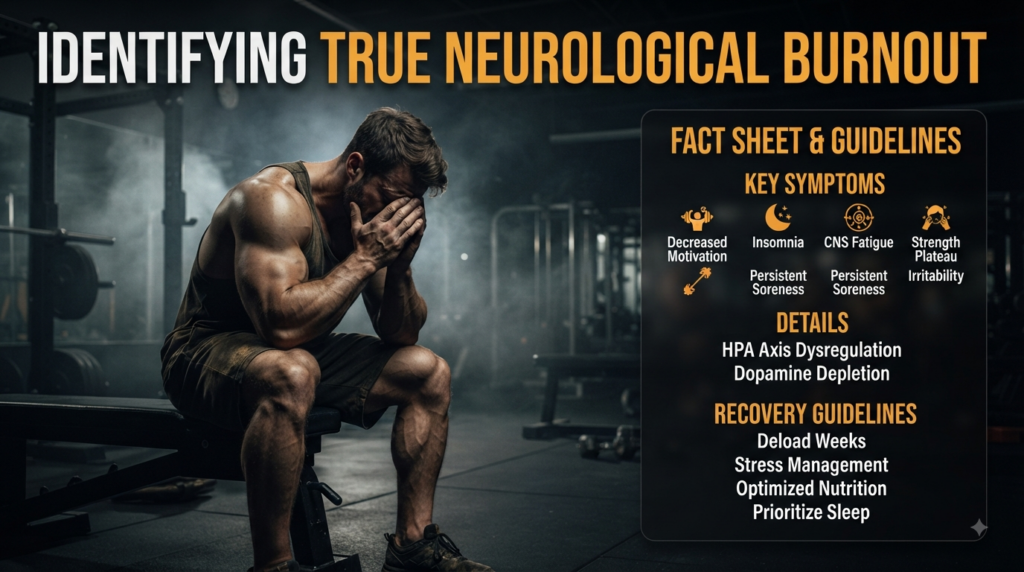
Your brain stops processing complex tasks even after adequate rest. Sleep no longer restores mental clarity the way it used to. You’ve checked for depression and thyroid issues, but tests come back normal. Identifying True Neurological Burnout requires looking beyond standard fatigue markers to specific cognitive failure patterns.
The Cognitive Signature of Identifying True Neurological Burnout
True neurological burnout creates distinct patterns regular stress doesn’t produce. Your working memory fails in specific ways during routine tasks. You forget why you opened a browser tab within seconds. You read the same paragraph four times without retaining information.
The brain’s prefrontal cortex shows reduced activity during decision-making tasks. This isn’t about feeling tired or unmotivated. Neuroimaging studies show actual changes in how neurons fire and recover. The gap between stimulus and response stretches longer than normal.
Executive function declines appear first in task switching. You struggle to shift between different types of work smoothly. What used to take smooth mental transitions now requires conscious effort. Each context switch drains more cognitive resources than before.
Physical symptoms accompany these cognitive changes in predictable combinations. Tension headaches cluster at specific times rather than randomly. Your sleep architecture changes even when total sleep hours remain constant. Deep sleep phases shorten while light sleep phases fragment.
How Identifying True Neurological Burnout Differs From Depression
Depression affects motivation and emotional processing across all life domains. Neurological burnout targets specific cognitive functions while leaving others intact. You can still enjoy a movie but can’t draft an email. Creative hobbies remain engaging while work tasks feel impossible.
The anhedonia in depression is global and persistent. Burnout creates domain-specific cognitive fatigue tied to particular contexts. Remove yourself from the triggering environment and function improves within hours. Depression doesn’t lift with a change of scenery.
Antidepressants don’t address neurological burnout because the mechanisms differ fundamentally. Depression involves neurotransmitter imbalances affecting mood regulation pathways. Burnout stems from chronic activation of stress response systems. The hypothalamic-pituitary-adrenal axis stays stuck in overdrive mode.
Your emotional range might stay relatively normal during burnout. You laugh at jokes and feel appropriate sadness at sad news. What’s broken is cognitive endurance and processing speed. The emotional brain works while the executive brain sputters.
Physical Markers When Identifying True Neurological Burnout
Cortisol patterns shift in ways standard blood tests miss. Morning cortisol might appear normal on a single test. But the natural daily curve flattens abnormally across multiple measurements. Your body stops responding to circadian rhythm cues properly.
Heart rate variability drops measurably during cognitive tasks. This metric shows reduced autonomic nervous system flexibility. Your body can’t switch smoothly between sympathetic and parasympathetic modes. The stress response activates but doesn’t deactivate cleanly.
Inflammatory markers sometimes elevate without obvious physical cause. C-reactive protein and interleukin-6 can increase from chronic stress alone. The blood-brain barrier becomes more permeable under sustained cortisol exposure. Peripheral inflammation signals reach the central nervous system more easily.
Sleep tracking reveals fragmentation patterns depression doesn’t create. You fall asleep normally but wake repeatedly during REM cycles. Deep sleep occurs but in shorter, interrupted bursts. Total sleep time looks adequate while restorative quality plummets.
Supporting your nervous system with targeted nutrients becomes essential during recovery. Quality supplements designed for stress resilience can provide the building blocks your depleted system needs.
Timeline Patterns in Identifying True Neurological Burnout
Acute stress resolves within days or weeks of removing the stressor. Neurological burnout develops over months of sustained high cognitive load. The onset is gradual rather than sudden. You notice declining performance before you recognize the pattern.
Recovery follows a nonlinear path that confuses most people. Good days appear randomly among bad ones early in recovery. You feel 80% recovered then crash back to 40% the next week. This isn’t relapse but normal nervous system recalibration.
Most cases require three to six months of reduced load for meaningful recovery. Weekend breaks and single vacation weeks don’t reverse the damage. Your nervous system needs sustained periods below stress threshold to rebuild reserves.
Early intervention shortens recovery time dramatically compared to waiting until complete breakdown. Catching it at the “forgetting browser tabs” stage beats waiting for the “can’t write a coherent email” stage. The deeper the depletion, the longer the restoration period required.
The Role of Cognitive Load in Identifying True Neurological Burnout
Not all work hours create equal neurological strain. Two hours of complex problem-solving depletes reserves faster than four hours of routine tasks. Decision fatigue accumulates from the quantity of choices, not time spent working.
Open-plan offices and constant notifications multiply cognitive load invisibly. Each interruption forces your brain to reload context and inhibit distraction. The switching cost drains glucose and neurotransmitters faster than sustained focus. Your brain works harder while accomplishing less.
Multitasking creates the illusion of productivity while accelerating neural depletion. Your prefrontal cortex can’t actually process multiple complex inputs simultaneously. It rapidly switches between tasks, paying the switching cost repeatedly. This metabolic expense adds up over weeks and months.
Emotional labor compounds cognitive load in ways most productivity advice ignores. Managing difficult personalities while solving technical problems doubles the neural demand. Customer-facing roles drain different brain systems than isolated analytical work. The combination exhausts reserves faster than either alone.
Testing Approaches for Identifying True Neurological Burnout
Standard medical tests screen out other conditions but don’t detect burnout directly. Thyroid panels, vitamin levels, and metabolic markers rule out physical causes. Normal results don’t mean nothing is wrong with your brain function.
Cognitive testing reveals deficits that subjective reports might miss. Processing speed tests show measurable declines from your baseline. Working memory assessments quantify what you’re experiencing subjectively. The numbers confirm your brain isn’t performing like it used to.
Tracking daily cognitive performance creates objective data over time. Simple reaction time tests done at consistent times show pattern changes. Morning performance might stay stable while afternoon capacity drops off a cliff. The data reveals what you might normalize or dismiss.
Wearable devices now track autonomic nervous system metrics continuously. Heart rate variability trends over weeks show recovery capacity declining. Sleep stage data reveals architecture changes before you feel dramatically worse. The technology makes invisible patterns visible and measurable.
Recovery from neurological burnout requires addressing the biochemical depletion underlying cognitive dysfunction. Comprehensive assessment should include evaluation of micronutrient status, as deficiencies in magnesium, B vitamins, iron, and zinc commonly accompany chronic stress and impair cognitive restoration. Working with healthcare providers to identify and address specific nutritional gaps supports the nervous system’s ability to rebuild depleted neurotransmitter stores and restore normal HPA axis function during the recovery process.
Environmental Triggers in Identifying True Neurological Burnout
Certain work structures create burnout regardless of individual resilience. Always-on communication expectations prevent proper neural recovery cycles. Your brain needs offline periods to consolidate learning and clear metabolic waste. Constant availability blocks these essential maintenance processes.
Ambiguous goals and shifting priorities force continuous cognitive recalibration. Your brain expends energy constantly reprioritizing and replanning. Clear stable objectives allow neural pathways to optimize and automate. Chaos prevents this efficiency development and keeps load high.
Lack of autonomy activates threat responses that sustained focus doesn’t trigger. Micromanagement and excessive oversight keep stress systems active unnecessarily. The cognitive work itself might be manageable while the loss of control drains reserves independently.
Social disconnection at work removes a key buffer against stress effects. Supportive relationships activate oxytocin pathways that modulate cortisol responses. Isolation or toxic team dynamics remove this protective factor. The same workload becomes more neurologically taxing in a hostile environment.
Recovery Strategies After Identifying True Neurological Burnout
Complete rest rarely works as well as strategic cognitive load management. Lying on a couch for weeks can worsen symptoms through understimulation. Your brain needs gentle, varied engagement below the stress threshold. Think active recovery rather than total shutdown.
Novel, low-stakes learning activities promote neuroplasticity without triggering stress responses. Learning a musical instrument or new language engages your brain differently than work tasks. The novelty stimulates growth factors while the low stakes prevent cortisol spikes.
Aerobic exercise reliably improves brain-derived neurotrophic factor levels within weeks. This protein supports neuron growth and resilience against stress damage. Thirty minutes of moderate intensity activity most days shows measurable cognitive benefits. The effect is dose-dependent and consistent across studies.
Social connection activates repair mechanisms independent of cognitive rest. Meaningful conversations with trusted people reduce inflammatory markers measurably. The effect works even when you discuss the stress causing burnout. Connection itself is therapeutic regardless of content.
Nutritional support addresses the biochemical depletion underlying cognitive symptoms. B vitamins, magnesium, and adaptogens support the stress response systems directly. These aren’t placebo interventions but targeted support for depleted pathways. Using evidence-based formulations designed for neurological stress can accelerate the rebuilding process significantly.
Frequently Asked Questions
Can you have neurological burnout without workplace stress?
Yes, any sustained high cognitive load can cause neurological burnout. Caregiving, chronic illness management, and prolonged academic pressure create similar effects. The source matters less than the duration and intensity of demand. Your brain depletes the same way regardless of whether work causes the stress.
How long does identifying true neurological burnout symptoms typically take?
Most people notice early symptoms after three to six months of sustained overload. Subtle signs like reduced processing speed appear before obvious breakdown. Many dismiss these early warnings as normal tiredness or aging. Recognition often happens only after function declines significantly enough to disrupt daily life.
Do genetics influence susceptibility to neurological burnout?
Genetic variations in stress response systems affect individual vulnerability significantly. Some people metabolize cortisol more efficiently than others do. BDNF gene variants influence how quickly your brain recovers from stress. But even resilient genetics can’t withstand indefinite overload without consequences.
Can brain imaging definitively diagnose neurological burnout?
Current imaging shows functional changes but isn’t used for standard diagnosis. fMRI studies reveal reduced prefrontal cortex activation during cognitive tasks. PET scans show altered metabolism in specific brain regions. These remain research tools rather than clinical diagnostic standards for now.
Does neurological burnout cause permanent brain damage?
Most changes reverse with adequate recovery time and supportive interventions. Hippocampal volume reductions from chronic stress normalize after several months of reduced load. Neuroplasticity allows remarkable recovery even after severe burnout. Early intervention prevents the rare cases where chronic stress causes lasting structural changes.
Start tracking your cognitive performance daily to establish whether your symptoms match true neurological burnout patterns.