

Protein Foods Your Gym Bro Has No Idea About
The best high-protein foods nobody talks about cost less and deliver more nutrition than expensive popular choices. Marketing budgets hide these affordable protein powerhouses on grocery store shelves while expensive options sit at eye level.
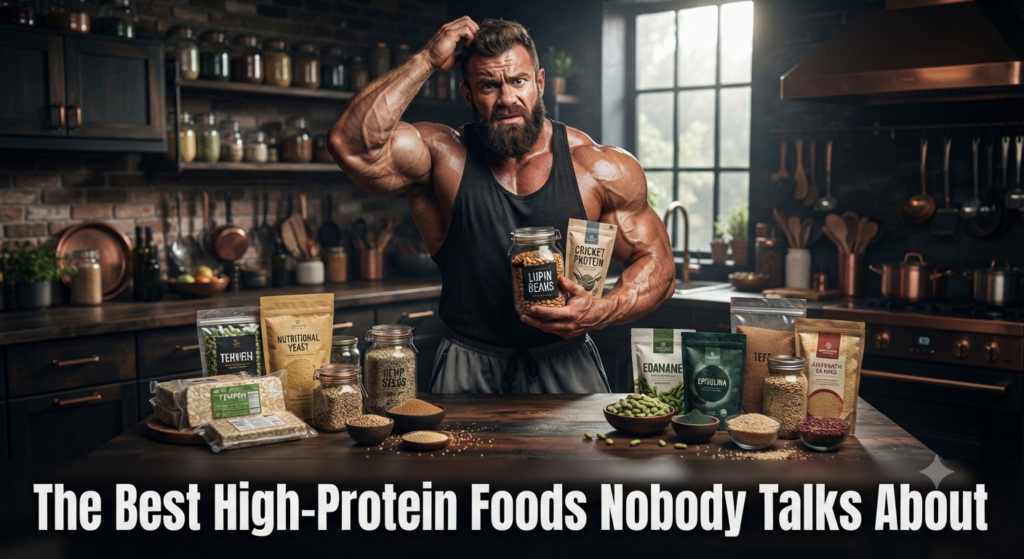
Most grocery stores hide their cheapest protein sources in corners you walk past. You chase salmon and steak while better options sit ignored. The best high-protein foods nobody talks about cost less and deliver more. Your shopping list needs an upgrade today.
Why The Best High-Protein Foods Nobody Talks About Stay Hidden
Marketing budgets decide what lands in your cart. Chicken breast gets ads. Greek yogurt gets influencers. Meanwhile foods with 20 grams of protein per dollar collect dust.
Grocery chains profit from expensive proteins. They stack premium cuts at eye level. Cheaper options hide on bottom shelves. This isn’t random.
You never see commercials for nutritional yeast. No celebrity chef promotes hemp hearts on Instagram. These foods lack corporate backing. They also beat popular choices in protein density and price.
The fitness industry shares blame too. Trainers repeat the same five foods. Eggs, chicken, beef, protein powder, fish. Their advice hasn’t changed in thirty years.
Some cultures eat these forgotten proteins daily. They’ve known the secret for generations. Western diets just caught up slowly.
Nutritional Yeast Delivers Complete Protein Fast
Two tablespoons give you 8 grams of complete protein. That means all nine amino acids your body can’t make. Most plant proteins miss at least one.
Nutritional yeast costs about twelve dollars per pound. Each pound contains roughly 200 grams of protein. Do the math against chicken breast.
The taste resembles cheese without dairy. Sprinkle it on popcorn, pasta, or roasted vegetables. It dissolves into soups and sauces.
Many brands fortify it with B12. Vegans struggle to find this vitamin elsewhere. One serving covers your daily needs.
You store it in your pantry for months. No refrigeration needed. No cooking required. Just shake it onto food.
Pumpkin Seeds Pack More Protein Than Almonds
One ounce contains 9 grams of protein. Almonds give you 6 grams for the same amount. Yet almond marketing dominates completely.
Pumpkin seeds cost half as much per gram of protein. Check bulk bins at any health food store. You’ll find them cheap.
They contain magnesium that helps muscle recovery. Most people run low on this mineral. Four hundred milligrams sit in every ounce.
Roast them with salt for a crunchy snack. Blend them into smoothies. Toss them on salads raw.
The shells add fiber if you eat them whole. Shelled versions work better for baking. Both options beat cashews and pecans.
The Best High-Protein Foods Nobody Talks About Include Tempeh
Tempeh isn’t tofu. It uses whole fermented soybeans pressed into blocks. The fermentation makes protein easier to digest.
Four ounces deliver 21 grams of protein. That matches a small chicken breast. The texture holds up better in stir fries.
Fermentation creates probiotics that help gut health. Your stomach breaks down nutrients more efficiently. This matters more than total protein numbers.
Tempeh absorbs marinades deeply. The firm texture doesn’t fall apart when you flip it. Crumble it for tacos or slice it for sandwiches.
Indonesian families have eaten it for centuries. Western grocery stores added it recently. Most shoppers still walk right past.
Sardines Cost Less Than Any Meat Protein
One can provides 23 grams of protein for under two dollars. Fresh salmon costs ten times more per gram. The nutrient profile stays nearly identical.
Sardines contain omega-3 fatty acids that reduce inflammation. Your joints recover faster after workouts. Brain function improves with regular intake.
The bones are soft and edible. They give you calcium without dairy. Most people don’t get enough of this mineral.
You can store cans for years in your pantry. Open one for instant protein. No cooking or prep time needed.
Mash them with mustard on crackers. Mix them into pasta. Add them to salads. The fishy taste mellows with strong flavors.
Sustainability matters here too. Sardines reproduce quickly and avoid mercury buildup. Larger fish accumulate toxins over time.
Cottage Cheese Beats Greek Yogurt By The Numbers
Half a cup holds 14 grams of protein. Greek yogurt offers 10 grams for the same serving. Yet yogurt shelves stretch three times longer.
The price gap favors cottage cheese too. You pay about four dollars per pound. That’s thirty cents per serving.
Casein protein digests slowly over hours. It feeds muscles while you sleep. Whey protein burns through your system fast.
Mix it with fruit for sweetness. Blend it smooth if you hate the texture. Use it in place of ricotta cheese.
Most brands offer low fat versions without sacrificing protein. The same can’t happen with meat. You lose protein when you trim fat.
The Best High-Protein Foods Nobody Talks About From The Sea
Spirulina contains 8 grams of protein per tablespoon. This blue-green algae grows in alkaline water. NASA studied it for space missions.
The powder mixes into smoothies easily. Start with half a teaspoon. The taste takes getting used to.
Iron content exceeds spinach by weight. Women especially need this mineral. One tablespoon provides significant amounts.
You can find it at health stores. Capsules work if you can’t handle the flavor. The protein stays complete either way.
Seaweed snacks also deserve mention here. Nori sheets contain 6 grams of protein per ounce. They cost pennies per sheet.
These ocean vegetables concentrate minerals from seawater. Iodine supports thyroid function. Most diets run deficient now.
Hemp Hearts Solve The Portable Protein Problem
Three tablespoons give you 10 grams of protein. They require zero preparation. Just pour them from the bag.
The ratio of omega-6 to omega-3 fats sits perfect. Most nuts skew too heavy on omega-6. This balance reduces inflammation naturally.
Hemp hearts taste mild and slightly nutty. They don’t overpower other flavors. Sprinkle them on literally anything.
You can bake them into energy bars. Mix them with oats. Add them to yogurt or cottage cheese.
The protein contains all essential amino acids. Your body uses it as efficiently as animal protein. Few plant sources compare.
Storage lasts months in the fridge. They won’t go rancid quickly. Buy in bulk to save money.
Edamame Outperforms Most Snack Proteins
One cup of shelled edamame contains 18 grams of protein. Beef jerky gives you similar amounts for triple the price. The sodium content stays lower too.
You can buy bags frozen for year-round access. Boil them for five minutes. Season with sea salt.
The fiber content fills you up faster. Protein and fiber together control hunger better. You eat less overall.
Kids actually like eating these green soybeans. Getting children to eat protein often requires tricks. This one works plain.
Restaurants charge eight dollars for an appetizer portion. Your grocery store sells a pound for three dollars. Make them at home.
The Best High-Protein Foods Nobody Talks About Need Recognition
Amaranth grain cooks like rice but contains double the protein. One cup cooked provides 9 grams. Brown rice barely reaches 5 grams.
This ancient grain fed Aztec warriors. Modern athletes ignore it completely. The mild flavor works with any cuisine.
Cook it in broth for better taste. Use it as a base for bowls. Mix it with beans for complete protein.
Lupin beans contain 26 grams of protein per cup. Mediterranean countries use them as bar snacks. American stores rarely stock them.
You can order them online easily. Soak them to remove bitterness. Roast them with spices for crunch.
These foods share one thing. Nobody advertises them. That keeps prices low and quality high.
Frequently Asked Questions
What protein source has the best cost per gram?
Canned sardines and dried lentils tie for cheapest protein sources. Both cost under ten cents per ten grams. Nutritional yeast ranks third at around fifteen cents.
Can plant proteins really replace meat proteins?
Yes, if you combine different plant sources throughout the day. Tempeh, hemp hearts, and nutritional yeast provide complete amino acid profiles. Your body can’t tell the difference.
Why don’t fitness trainers recommend these foods?
Most trainers repeat what they learned years ago. Chicken and eggs dominated bodybuilding culture for decades. New research on plant proteins hasn’t reached mainstream fitness yet.
How much protein do I actually need daily?
Most adults need 0.8 grams per kilogram of body weight. Active people benefit from 1.2 to 2 grams per kilogram. A 150 pound person needs roughly 55 to 136 grams.
Which of these proteins tastes best to beginners?
Cottage cheese and edamame work best for newcomers. Both have mild flavors and familiar textures. Hemp hearts also blend into foods without changing taste much.
Start with one forgotten protein this week and track how you feel for seven days.