
Why Static Stretching After Workouts Backfires
Post-workout static stretching maximizes recovery by lengthening contracted muscle fibers while your body is still warm from exercise. This ultimate recovery guide explains why holding stretches after training helps reduce soreness and improve your range of motion.
Post-Workout Static Stretching: The Ultimate Recovery Guide
Your muscles feel tight hours after training ends. That tightness turns into soreness the next morning. Post-Workout Static Stretching: The Ultimate Recovery Guide explains how holding stretches after exercise helps your body recover faster.
Why Post-Workout Static Stretching: The Ultimate Recovery Guide Matters for Muscle Recovery
Static stretching works best when your muscles are warm. Your body temperature rises during exercise. Blood flows heavily through worked muscle tissue. This creates the perfect window for deep stretches. You can push range of motion further than before training.
Muscles contract repeatedly during workouts. Fibers shorten and tighten as you lift weights or run. They stay partially contracted even after you stop moving. Static stretches reset muscle length back to normal resting state. This process takes consistent pressure held for at least thirty seconds.
Your nervous system plays a key role here. Stretch receptors in muscles detect lengthening. They send signals to your brain about tissue tension. Holding a stretch long enough calms these receptors down. Your body allows the muscle to relax more deeply.
Blood pools in your legs after hard cardio sessions. Standing still makes you feel dizzy sometimes. Gentle static stretches keep blood moving without raising heart rate. Your circulation returns to normal more smoothly.
The Science Behind Post-Workout Static Stretching: The Ultimate Recovery Guide
Lactic acid and other metabolic byproducts accumulate during intense exercise. Your muscles produce these compounds when oxygen availability drops during high-intensity intervals. Static stretching increases blood flow to fatigued muscle tissue through vasodilation. Fresh oxygenated blood carries away lactate, hydrogen ions, and other metabolic waste products faster than sedentary recovery. This enhanced circulation reduces exercise-induced acidosis and accelerates the recovery process. Enhanced nutrient delivery also supports glycogen replenishment and protein synthesis needed for muscle adaptation and repair.
Muscle soreness peaks around forty-eight hours after training. Scientists call this delayed onset muscle soreness. Micro-tears in muscle fibers cause the pain you feel. Stretching doesn’t prevent these tears from forming. But it does reduce how stiff you feel.
Research shows mixed results on stretching and soreness. Some studies find no benefit at all. Others show modest improvements in flexibility and comfort. The difference comes down to timing and technique. Quick stretches held for ten seconds do nothing useful.
Your fascia wraps around every muscle in sheets. This connective tissue can stick to itself after workouts. Adhesions form between fascial layers. Static stretching helps these layers slide past each other again. Movement quality improves when fascia moves freely.
For Further details see…
Active Recovery for Lifters: Methods, Timing & Limits
How to Use Post-Workout Static Stretching: The Ultimate Recovery Guide Correctly
Wait until your workout actually ends before stretching. Never stop mid-set to hold a stretch. Your muscles need to stay ready for work during training. Save all static holds for the final ten minutes.
Start with your largest muscle groups first. Stretch your legs before moving to arms. Your quads and hamstrings hold the most tension. Address them while you still have energy and focus. Smaller muscles like calves come next.
Hold each stretch for forty-five to sixty seconds. Count slowly in your head. Breathe normally throughout the hold. Shallow breathing makes muscles tighten up again. Deep breaths signal safety to your nervous system.
You should feel mild tension but never sharp pain. Stretch to the point where muscles feel pulled. Stop before that pulling sensation becomes uncomfortable. Pain means you’ve pushed too far into protective range. Back off slightly and hold there instead.
Move into each position slowly and deliberately. Bouncing or jerking creates small tears in muscle tissue. These tears add to existing workout damage. Smooth, controlled movement protects stressed fibers from extra harm.
Common Mistakes When Following Post-Workout Static Stretching: The Ultimate Recovery Guide
Most people rush through their stretches too quickly. They hold for ten or fifteen seconds and move on. This short duration doesn’t trigger the relaxation response you need. Your nervous system requires sustained pressure to release tension.
Stretching cold muscles causes injuries. Some lifters stretch before warming up at all. They think flexibility work counts as preparation. Cold tissue tears more easily under tension. Always train first, then stretch afterward.
Holding your breath during stretches defeats the entire purpose. Breath holding activates your stress response. Muscles tighten when you’re stressed. You end up fighting against your own body. Consistent breathing keeps everything relaxed and receptive.
Comparing your flexibility to others creates unnecessary frustration. Some people naturally bend further than you can. Genetics determines much of your base flexibility. Your goal is personal progress, not matching someone else. Track your own range of motion over weeks.
Skipping stretches for muscles that don’t feel tight is wrong. Your chest might feel fine after bench pressing. But those pec muscles still shortened during every rep. Unbalanced flexibility causes postural problems over time. Stretch everything you trained, not just sore areas.
Best Stretches in Post-Workout Static Stretching: The Ultimate Recovery Guide
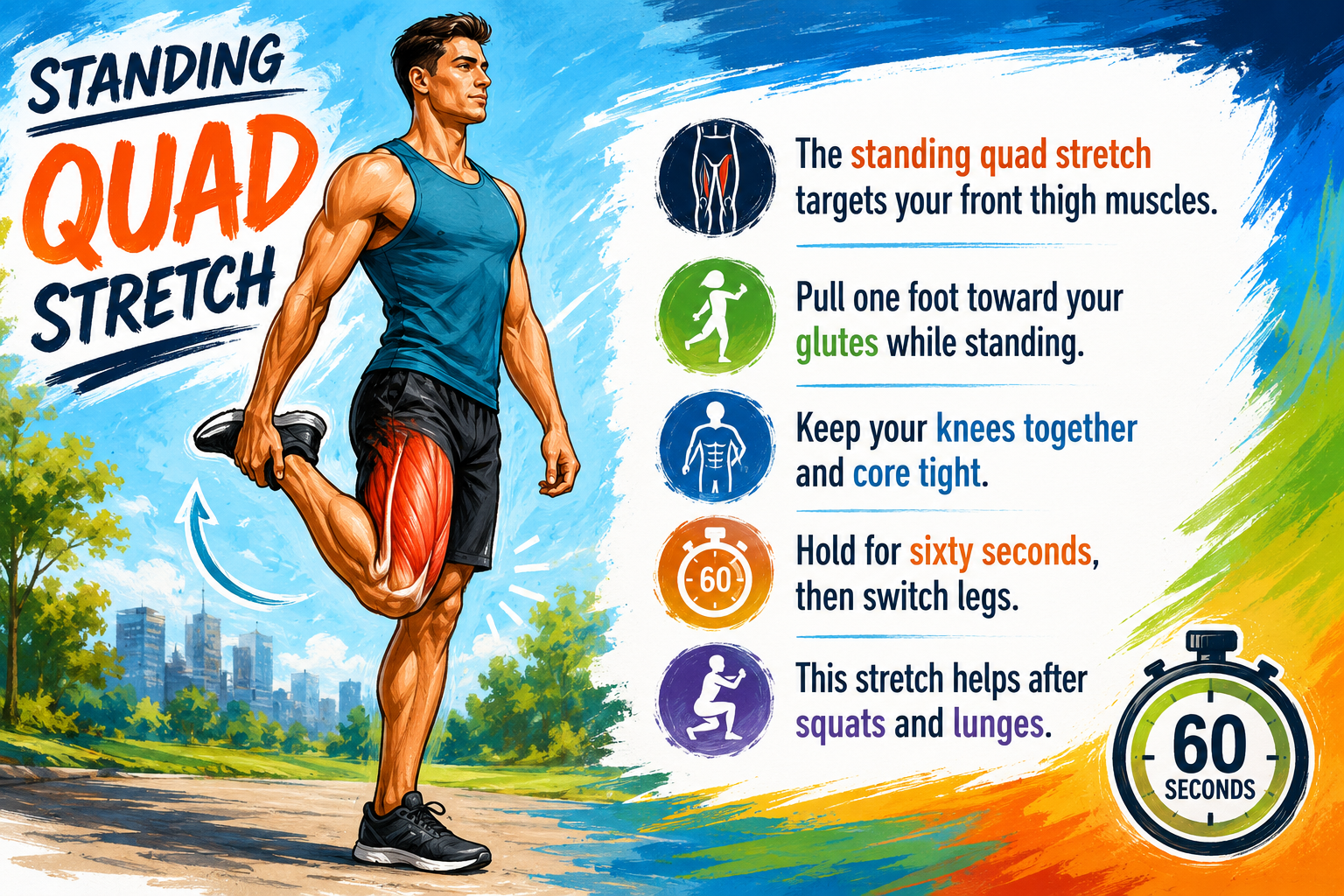
The standing quad stretch targets your front thigh muscles. Pull one foot toward your glutes while standing. Keep your knees together and core tight. Hold for sixty seconds, then switch legs. This stretch helps after squats and lunges.
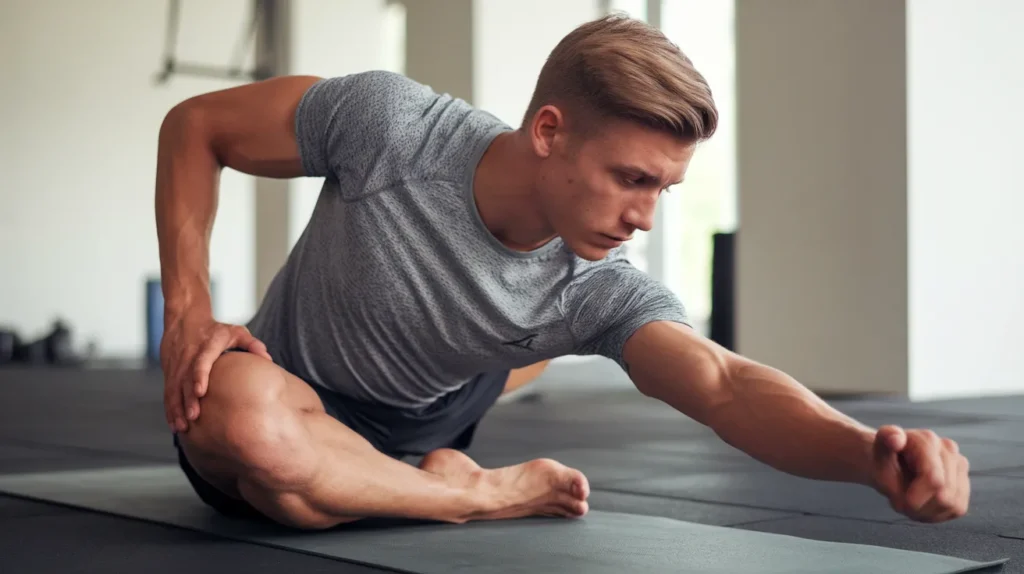
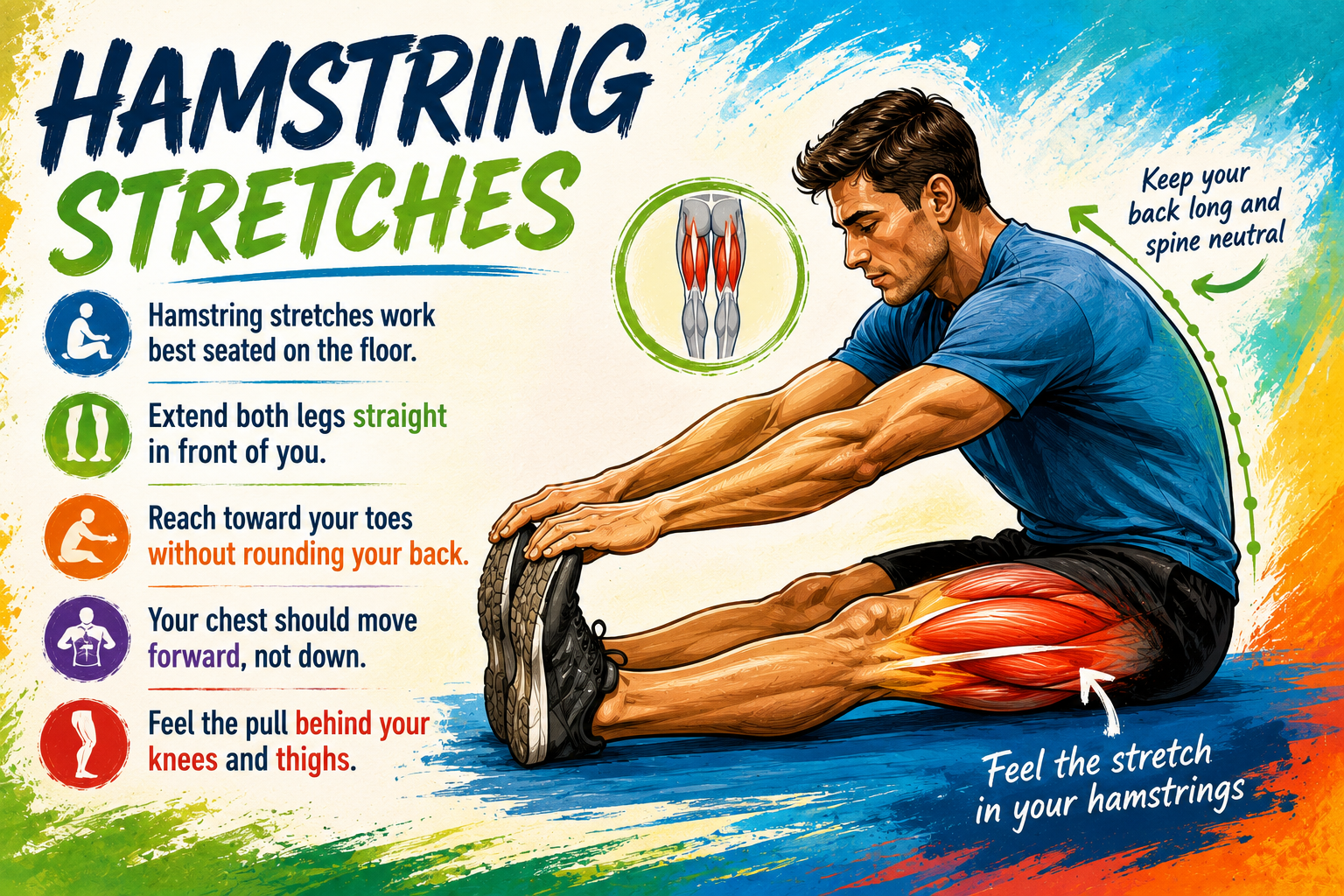
Hamstring stretches work best seated on the floor. Extend both legs straight in front of you. Reach toward your toes without rounding your back. Your chest should move forward, not down. Feel the pull behind your knees and thighs.
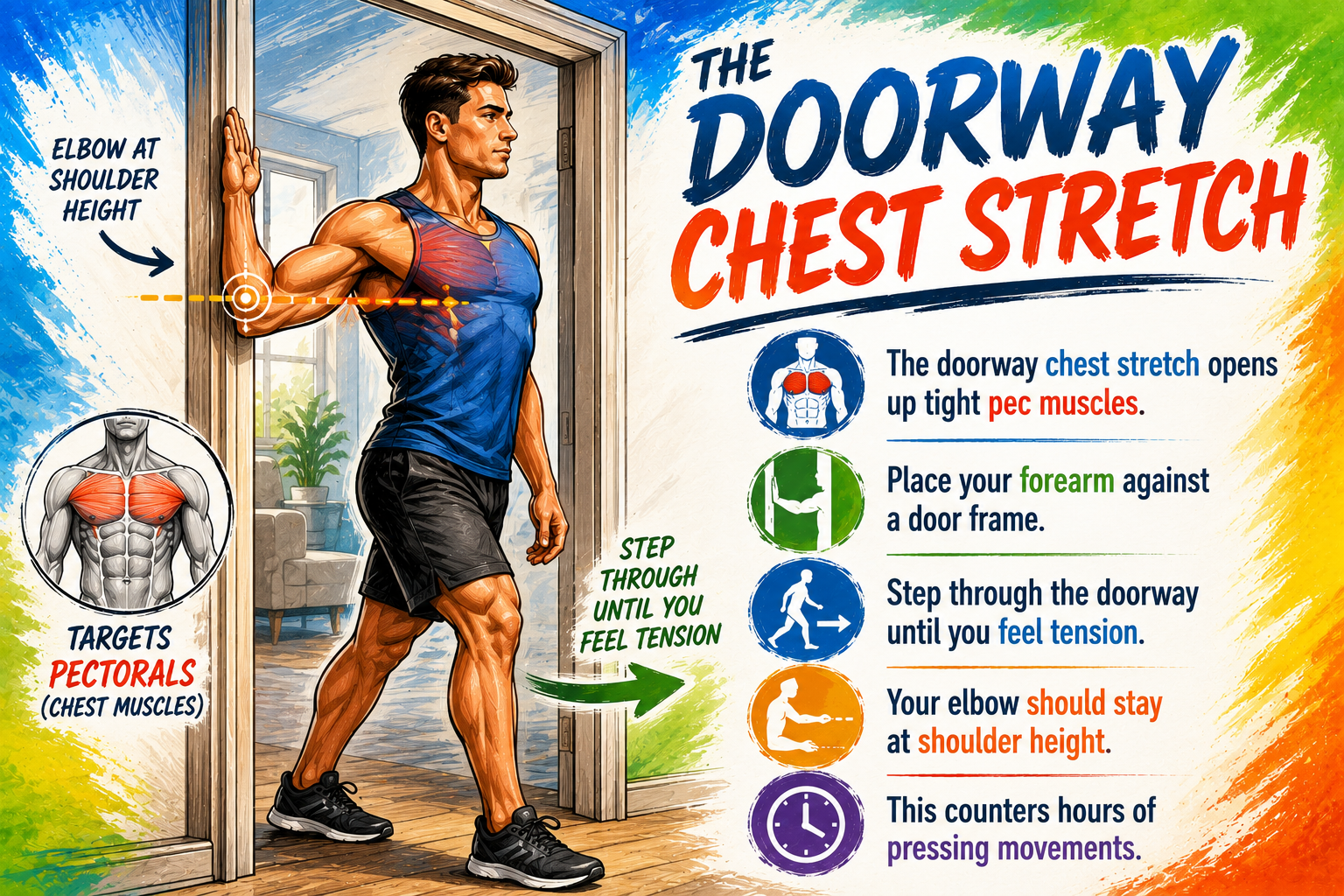
The doorway chest stretch opens up tight pec muscles. Place your forearm against a door frame. Step through the doorway until you feel tension. Your elbow should stay at shoulder height. This counters hours of pressing movements.
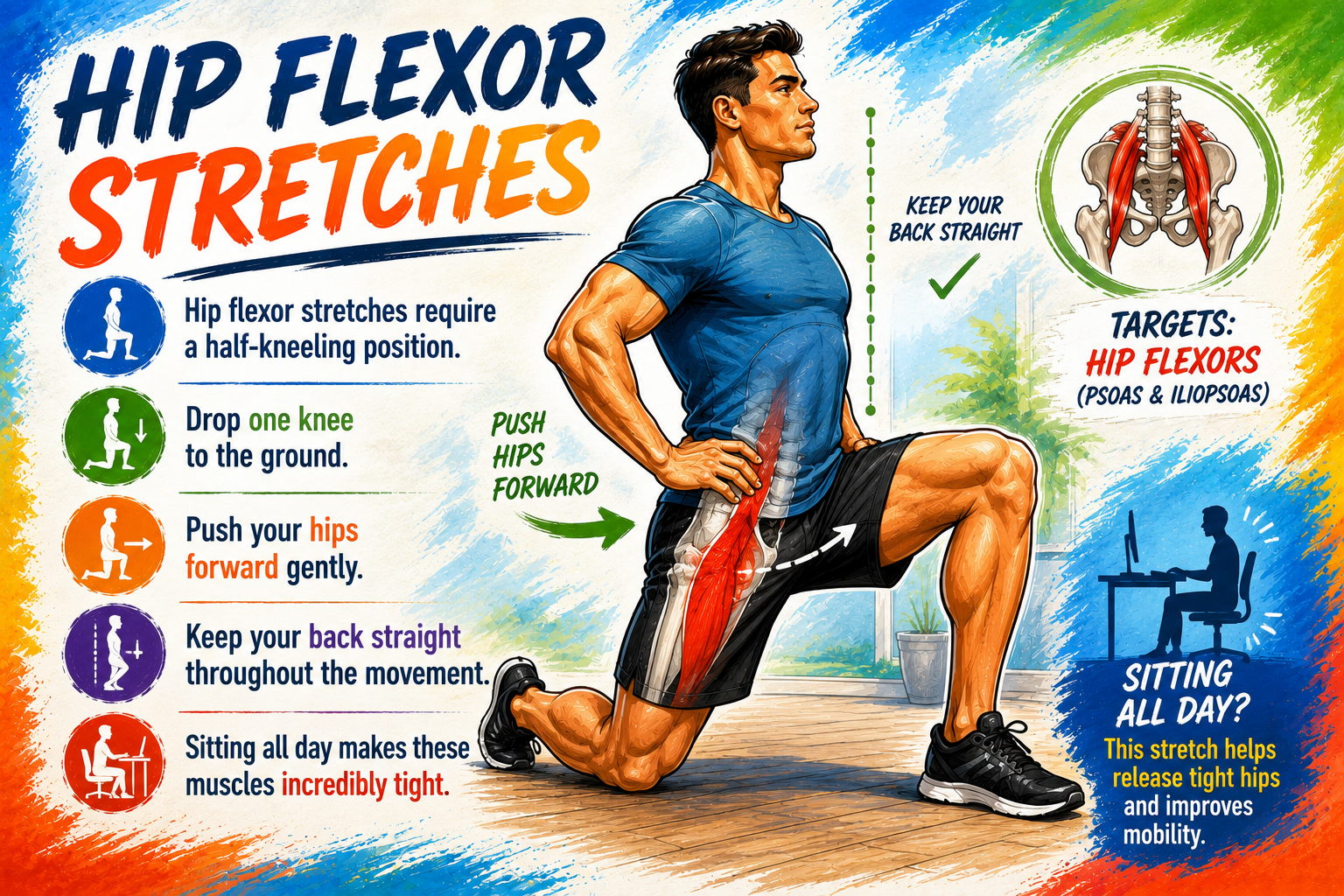
Hip flexor stretches require a half-kneeling position. Drop one knee to the ground. Push your hips forward gently. Keep your back straight throughout the movement. Sitting all day makes these muscles incredibly tight.
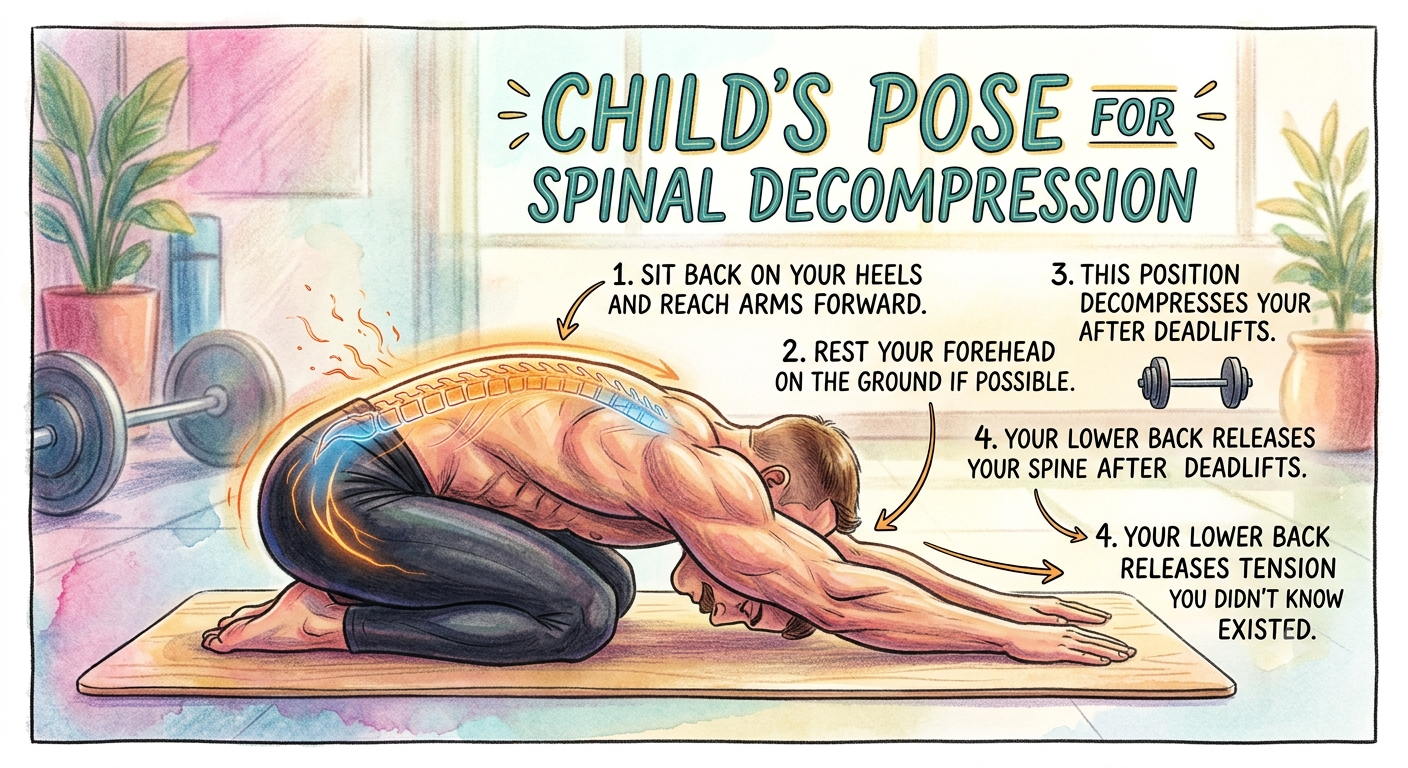
Child’s pose stretches your entire back chain at once. Sit back on your heels and reach arms forward. Rest your forehead on the ground if possible. This position decompresses your spine after deadlifts. Your lower back releases tension you didn’t know existed.
When Post-Workout Static Stretching: The Ultimate Recovery Guide Changes Your Results
Flexibility gains accumulate slowly over months of practice. You won’t touch your toes after one session. But stretching five times weekly produces measurable changes. Your range of motion in exercises improves. Squats get deeper and more comfortable.
Better flexibility reduces injury risk during future workouts. Tight muscles pull on joints at wrong angles. This creates stress points that eventually fail. Maintaining good length in all muscles protects connective tissue. Your joints track properly through full movement patterns.
Mental recovery matters just as much as physical recovery. Stretching creates a transition between hard training and normal life. Your heart rate drops during this quiet time. Stress hormones decrease as you focus on breathing. This mental shift helps you leave gym intensity behind.
Sleep quality improves when you stretch before evening workouts. Your body stays in sympathetic nervous system mode after training. This “fight or flight” state makes falling asleep difficult. Static stretching activates parasympathetic mode instead. Relaxation comes easier when your nervous system shifts gears.
Consistency matters more than intensity with stretching. Five minutes after every workout beats one long session weekly. Your body adapts to regular stimulus. Sporadic stretching produces almost no lasting changes. Build the habit into your existing routine.
Frequently Asked Questions
How long should I hold each stretch after working out?
Hold each static stretch for forty-five to sixty seconds minimum. Shorter holds don’t trigger the relaxation response your muscles need. Breathe deeply throughout each hold for best results.
Can I do static stretching before lifting weights?
Static stretching before lifting reduces your strength temporarily. Save all static holds for after your workout ends. Use dynamic movements to warm up instead.
Does stretching after workouts prevent muscle soreness?
Stretching reduces stiffness but doesn’t eliminate soreness completely. Micro-tears in muscles still cause discomfort regardless. However, you’ll move more comfortably the next day.
How many stretches should I include after training?
Include at least one stretch per major muscle group trained. This typically means five to eight different stretches. Focus on muscles that feel tightest first.
Is it normal to feel less flexible some days?
Your flexibility changes daily based on hydration and fatigue. Some sessions feel easier than others. This variation is completely normal and expected.
Start your next workout with a ten-minute stretching routine and notice how your body responds differently.