

Gain Muscle Without the Fat: The Calories Everyone Gets Wrong
Most muscle gain meal plans fail because they add unlimited calories that turn into fat instead of muscle. A strategic approach tracks calories carefully to fuel real growth while staying lean.
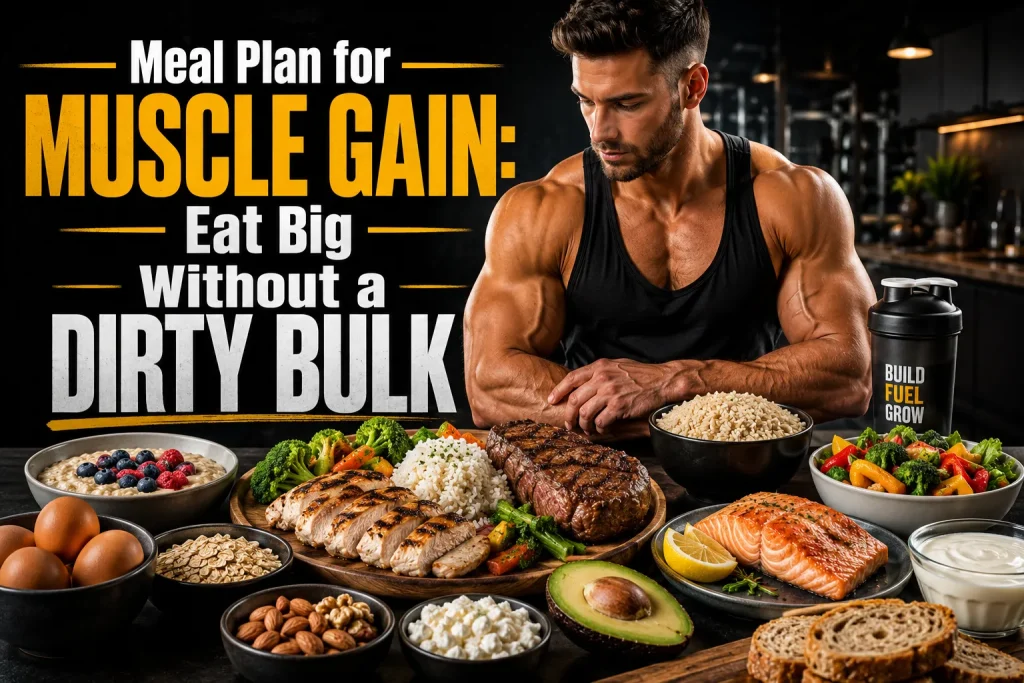
You watch someone chug a protein shake and inhale pizza daily. They call it bulking. The scale goes up but the mirror shows more belly than biceps. A Meal Plan for Muscle Gain: Eat Big Without a Dirty Bulk keeps you lean while building real size.
Why Most Muscle Gain Meal Plans Get It Wrong
Most people think eating for muscle means eating everything. They add calories without tracking where those calories go. The body builds muscle slowly. It stores excess energy as fat quickly.
Your body can only build about half a pound of muscle per week. Anything beyond that turns into fat. Eating 1000 extra calories daily sounds aggressive. Your muscles use maybe 300 of those calories for growth.
The rest pads your waistline.
A clean approach to a Meal Plan for Muscle Gain: Eat Big Without a Dirty Bulk targets a smaller surplus. You eat just enough to fuel muscle growth. You avoid the unnecessary fat gain that slows you down later.
Dirty bulking forces you into long cutting phases. You spend months losing the fat you never needed to gain. Clean eating keeps you closer to your goal year round.
How Much Food a Meal Plan for Muscle Gain Actually Needs
Start with your maintenance calories. Track your weight for two weeks while eating normally. If your weight stays steady, you found your baseline.
Add 200 to 300 calories above maintenance. This small surplus provides enough energy for muscle growth. It keeps fat gain minimal.
Protein needs jump higher than most people expect. Aim for one gram per pound of body weight. A 180 pound lifter needs 180 grams of protein daily.
Carbs fuel your training sessions. Place most of your carbs around your workouts. Eat them before you lift and after you finish. This timing helps with performance and recovery.
Fats support hormone production. Keep them at about 25% of your total calories. Don’t drop them too low. Testosterone production suffers when fat intake crashes.
Weigh yourself three times per week. Take the average. Aim for a half pound gain per week. Gaining faster means you’re eating too much.
Building Your Meal Plan for Muscle Gain Around Real Foods
Chicken breast and rice work but eating them forever gets boring. Variety keeps you consistent. Consistency builds muscle.
Eggs provide complete protein and healthy fats. Four whole eggs give you 24 grams of protein. Add egg whites to boost protein without extra calories.
Greek yogurt works as a snack or meal base. A cup contains 20 grams of protein. Mix it with fruit for carbs post workout.
Lean beef delivers protein plus iron and zinc. These minerals support testosterone production. A four ounce serving gives you 30 grams of protein.
Salmon adds omega-3 fats. These fats reduce inflammation from heavy training. Twice weekly servings cover your needs.
Sweet potatoes digest slowly. They provide steady energy for hours. Eat them before training for sustained fuel.
Oats make a perfect breakfast base. They’re cheap and easy to prepare. Add protein powder to hit your morning protein target.
Vegetables matter more than most lifters think. Fiber aids digestion. Vitamins support recovery. Spinach, broccoli, and peppers add volume without many calories.
This approach gives you plenty of options. You won’t feel restricted. Smart food choices make hitting your numbers easier every single day.
Sample Day of Eating for Muscle Gain Without Junk
Breakfast sets your protein intake on track. Three whole eggs with two egg whites scrambled. One cup of oats with a tablespoon of almond butter. This meal hits 45 grams of protein and 550 calories.
Mid morning snack keeps protein synthesis elevated. Greek yogurt with a handful of berries. Add a scoop of whey protein if you’re behind on protein. This adds 35 grams of protein.
Lunch brings volume and nutrients. Six ounces of grilled chicken over brown rice. Side of mixed vegetables. Use olive oil for healthy fats. You get 50 grams of protein and complex carbs.
Pre workout meal focuses on energy. A banana with two tablespoons of peanut butter. This gives quick and slow digesting carbs. The timing matters as much as the food itself.
Post workout meal capitalizes on the training stimulus. Six ounces of lean beef with white rice. Your muscles absorb nutrients better right after training. This meal delivers 45 grams of protein.
Dinner can be lighter since training is done. Salmon with sweet potato and asparagus. This adds 35 grams of protein plus omega-3 fats. Keep it simple and filling.
Evening snack before bed prevents muscle breakdown. Cottage cheese works perfectly. The casein protein digests slowly overnight. A cup provides 25 grams of protein.
This sample day totals about 235 grams of protein. Calories land around 3200. Adjust portions based on your body weight and goals.
Meal Plan for Muscle Gain Timing Strategies That Work
Meal frequency matters less than total daily intake. Eating six small meals doesn’t boost metabolism or increase thermic effect of food beyond what total protein consumption already provides. Three to five meals work fine if you hit your targets. Research shows that meal timing for muscle protein synthesis matters more than eating frequency—what matters is distributing protein evenly across meals (30-50g per meal) rather than how many meals you consume daily.
The window around training deserves attention. Eat protein and carbs within two hours before lifting. This fuels performance. Your sets feel stronger when you eat properly beforehand.
Post workout nutrition still matters despite internet debates. Your body uses nutrients more efficiently after training. Get 30 to 40 grams of protein within an hour.
Space protein throughout the day. Each meal should contain 30 to 50 grams. This keeps muscle protein synthesis elevated. Eating all your protein at dinner wastes potential growth.
Bedtime protein prevents overnight muscle breakdown. Eight hours without food is a long fast. Slow digesting protein like cottage cheese bridges this gap.
Weekend timing shouldn’t change much from weekdays. Consistency matters more than perfection. Your body doesn’t know it’s Saturday.
Tracking Progress on Your Meal Plan for Muscle Gain
The scale tells part of the story. Your measurements tell the rest. Measure your arms, chest, waist, and thighs monthly. Muscle shows up in these numbers.
Take progress photos every two weeks. Your mirror lies. Photos show changes you miss daily. Use the same lighting and angles each time.
Strength gains indicate muscle growth. Track your main lifts weekly. If your bench press increases, you’re building muscle. Stalling weights mean something needs adjustment.
Waist measurements reveal unwanted fat gain. Your waist shouldn’t increase as fast as your other measurements. Growing arms with a steady waist means clean gains.
Energy levels during workouts show if you’re eating enough. Feeling weak suggests insufficient calories. Feeling sluggish might mean too many calories from poor sources.
Adjust your plan based on real data. Gaining too fast means cut 100 calories. Not gaining means add 100 calories. Small adjustments work better than dramatic changes every week.
Common Mistakes That Ruin a Meal Plan for Muscle Gain
Skipping protein at breakfast wastes prime muscle building hours. Your body goes catabolic overnight. Morning protein reverses this quickly.
Drinking calories carelessly adds up fast. One large mocha contains 400 calories of sugar. These empty calories don’t support muscle growth.
Ignoring vegetables creates digestion problems. High protein intake needs fiber. Constipation kills your appetite and training quality.
Copying someone else’s exact plan rarely works. A 150 pound beginner needs different amounts than a 200 pound advanced lifter. Calculate your own numbers.
Changing your plan every week prevents progress tracking. Stick with one approach for at least four weeks. This shows what actually works.
Relying on supplements instead of food wastes money. Protein powder helps but real food builds muscle better. Whole foods provide nutrients that powders can’t match.
Forgetting to adjust calories as you grow stalls progress. Your maintenance calories increase as you gain weight. Recalculate your needs every month.
Making Your Meal Plan for Muscle Gain Sustainable
Meal prep eliminates daily decisions. Cook proteins and carbs in bulk twice weekly. Store them in containers. Grab and eat without thinking.
Allow one flexible meal per week. This keeps you sane. Eating out with friends doesn’t ruin your progress. Just hit your protein target for the day.
Keep easy backup meals ready. Canned tuna, frozen vegetables, and instant rice save you. Missing meals hurts more than eating a less optimal choice.
Learn to estimate portions without weighing everything forever. Weigh food for two weeks. You’ll learn what four ounces of chicken looks like. This skill makes eating out easier.
Build meals around foods you actually enjoy. Forcing down foods you hate leads to quitting. There’s always a clean option you like.
Plan for travel and busy days. Pack protein bars and nuts. These aren’t ideal but they beat skipping meals completely.
Remember that eating for muscle gain works best as a lifestyle. Quick fixes create quick reversals. Sustainable habits create lasting results.
Frequently Asked Questions
How many calories above maintenance should I eat for clean muscle gains?
Add 200 to 300 calories above your maintenance level. This small surplus supports muscle growth without excessive fat gain. Larger surpluses just make you fatter faster.
Do I need to eat every three hours to build muscle?
No, meal frequency doesn’t matter as much as total daily intake. Three to five meals daily works fine. Just hit your protein and calorie targets by day’s end.
Can I build muscle while eating vegetarian meals?
Yes, but you need to plan protein sources carefully. Combine beans, lentils, tofu, and Greek yogurt. Track your intake to ensure you hit one gram per pound.
What happens if I miss my protein target for one day?
One day won’t ruin your progress. Get back on track the next day. Consistency over weeks matters more than daily perfection.
Should I change my meal plan on rest days?
Keep protein the same on rest days. You can slightly reduce carbs if you prefer. Your muscles still need nutrients for recovery even without training.
Start tracking your meals today and adjust your portions based on weekly progress measurements.