
The Soreness Recovery Hack Coaches Don't Teach
Applying heat immediately after exercise is key to reducing muscle soreness by increasing blood flow and oxygen delivery to damaged tissue. Heat therapy sessions of 15-20 minutes work best, but timing matters—early heat application is effective while late heat offers minimal benefit.
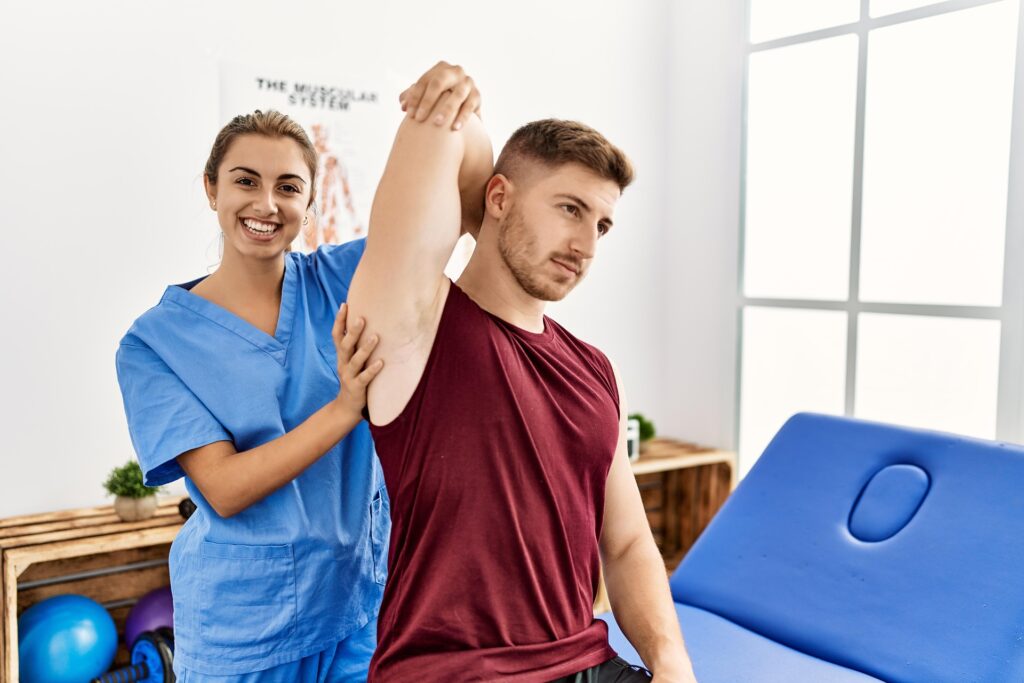
How can I get rid of muscle soreness? That deep ache after a tough workout hits everyone eventually. You can’t avoid it. But you can make it disappear faster with the right approach.
How Can I Get Rid of Muscle Soreness With Heat Application?
Muscle Soreness Solution via Top Natural Supplements!
Applying heat immediately after exercise can reduce muscle stiffness. Heat warms muscles and increases blood flow to stiff areas. This matters because better circulation delivers oxygen to damaged tissue faster.
Applying heat 24 hours after exercise was not as beneficial. The timing changes everything. Early heat works. Late heat doesn’t.
Heat causes blood vessels to dilate, increasing blood flow. This influx of oxygen and nutrients helps the healing process. Use heating pads for 15 to 20 minutes.
Sessions of 10 to 20 minutes are enough without risking skin damage. Don’t exceed this window. More time doesn’t mean better results.
For a complete explanation of how low-intensity movement can be used without turning a recovery session into another workout, read Active Recovery for Lifters: Methods, Timing & Limits.
Using Ice to Stop Muscle Soreness Fast
Ice may reduce pain and swelling in the first 24 to 48 hours. Ice narrows blood vessels, decreasing circulation to an injury. This slows down inflammation before it gets worse.
Cold therapy after a strenuous session can reduce subsequent muscle soreness. Apply ice immediately. Keep icing sessions short for the first 48 hours after an injury.
Leaving ice on past 20 minutes can risk nerve or tissue damage. Set a timer. No exceptions.
Applying heat to a new injury can increase circulation and intensify swelling. Wrong treatment makes things worse. Ice first. Heat later.
How Can I Get Rid of Muscle Soreness Through Movement?
The best way to manage muscle soreness is exercise. This sounds wrong. It works.
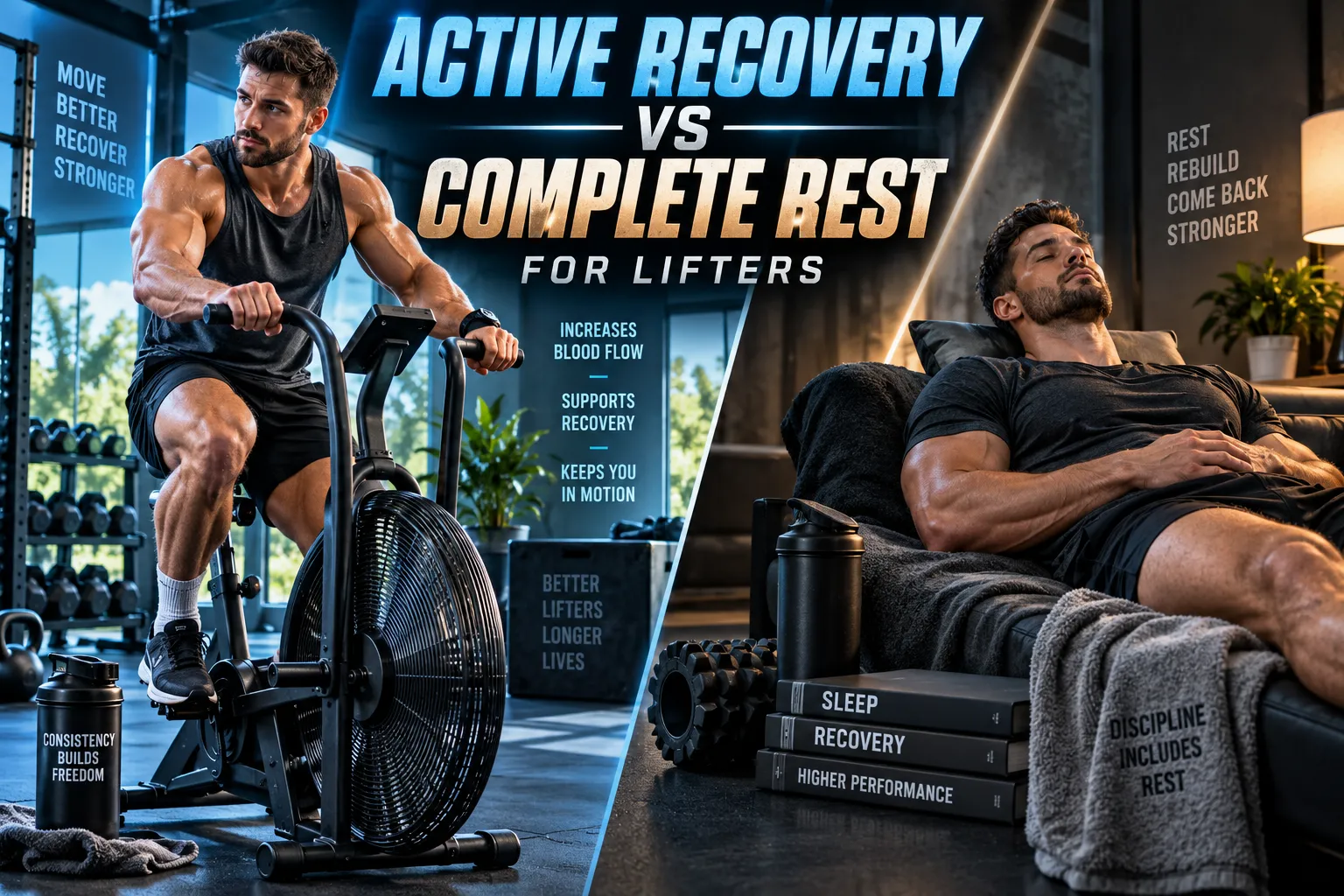
Active recovery increases blood flow to muscles, which flushes out cellular byproducts of exercise. Light exercise reduces inflammation and soreness and builds back muscle. Walk. Swim. Do gentle yoga.
Soreness reduced after recovery protocols like aqua exercise, yoga, and combined jogging. Pick one. Do it for 15 to 30 minutes.
Moving and continuing exercise can help lessen the pain and ease stiffness. Recovery runs of mild to moderate intensity are recommended. Skip sprints. Skip high intensity work.
Movement pumps blood and fluids to muscles, which helps decrease inflammation. Your muscles need this circulation. Rest alone won’t deliver it.
For Further details see…
Active Recovery for Lifters: Methods, Timing & Limits
Foam Rolling Strategies That Actually Help
Rolling for at least 90 seconds per muscle group shows benefits. Less than this wastes your time.
Foam rolling reduces delayed onset muscle soreness, especially when used within 24 to 48 hours. 20 minutes of rolling right after intense workouts may reduce muscle tenderness.
The mechanism is neurological, as your nervous system changes how it processes pain. Your muscles don’t physically change much from the pressure. But your brain interprets the signals differently.
Foam rolling significantly reduced the onset and duration of increased muscle tone. Rolling led to lower stiffness on day two compared to control groups.
Neither foam rolling nor percussive massage was more effective for pain relief. This matters. Roll for mobility. Not for pain.
How Can I Get Rid of Muscle Soreness With Massage?
Massage was the most powerful technique for recovering from soreness and fatigue. Nothing else tested better in studies.
A 20 to 30 minute massage immediately after exercise effectively reduced soreness for 96 hours. Massages increase blood flow and decrease inflammation markers like Creatine Kinase.
Self massage 48 hours after a tough workout helps ease muscle stiffness. You don’t need a therapist. Use your hands. Use tools.
Massage after strenuous exercise relieves muscle soreness and improves muscle performance. Book one after your hardest sessions.
Nutrition and Hydration for Faster Recovery
Fluids and electrolytes are needed to facilitate muscle recovery. Muscle contractions require electrolytes lost in sweat. Replace what you lost.
Foods high in antioxidants can reduce inflammation. Berries work. Leafy greens work. Processed foods don’t.
Supplementing 150 to 1500 milligrams of curcumin daily might reduce soreness. Turmeric contains this compound. Add it to meals.
Adequate sleep is needed for muscle recovery, aiming for seven to nine hours. Sleep is when repair happens. Skip it and recovery stalls.
What Not to Do When Treating Muscle Soreness
Reports of NSAIDs being effective in reducing soreness vary greatly in literature. Some studies show a lack of efficacy of anti inflammatory drug treatments.
Frequent reliance on pain relievers could worsen conditions over time. They mask pain. They don’t fix tissue.
Pushing through soreness without letting your body recover can lead to overtraining syndrome. More training isn’t always better. Sometimes it’s destructive.
Heat should not be used for the first 48 hours after an injury. This increases inflammation. Ice comes first.
How Long Does Muscle Soreness Last?
Soreness typically starts 12 to 24 hours after a workout and peaks one to three days later. It usually eases up within five to seven days.
Peak soreness occurs between 24 to 72 hours. This is normal. This is expected.
The soreness and symptoms usually last only a few days. Everyone’s body heals at a different speed. Your timeline won’t match someone else’s.
Soreness is treated by what physicians call a tincture of time. You must allow the body to heal itself. No shortcut exists.
Frequently Asked Questions
Can you work out with muscle soreness?
Yes, you can do light exercise with mild soreness. Gentle movement actually helps reduce stiffness. Avoid intense training until soreness fades.
Is muscle soreness a sign of muscle growth?
Not always. Soreness means muscle damage occurred. Growth happens during recovery. You can build muscle without feeling sore.
Should I use ice or heat first for soreness?
Ice comes first in the first 48 hours. Heat works better after two days. Wrong order makes inflammation worse.
Does drinking water reduce muscle soreness?
Water helps flush out waste products from muscles. Dehydration slows recovery. Drink enough to keep urine pale yellow.
When should I see a doctor for muscle soreness?
See a doctor if pain lasts over a week. Severe pain or inability to move needs medical attention. Don’t ignore warning signs.
Start foam rolling immediately after your next hard workout and drink extra water throughout the day.