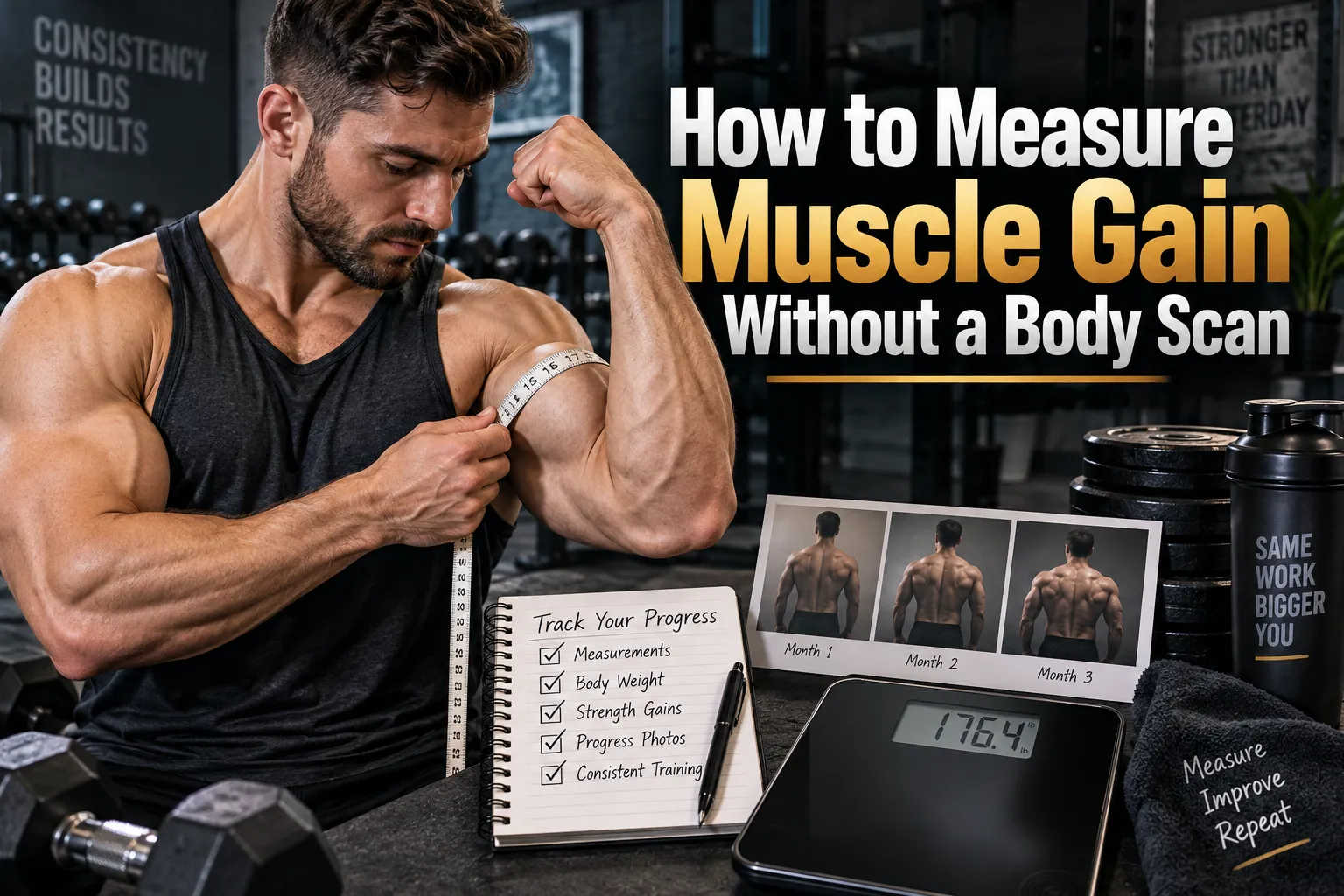

Why Your Strength Gains Stopped (And How Micro-Loading Restarts Them)
Strength plateaus happen when standard five-pound weight jumps are too heavy for your muscles to handle. Micro-loading uses quarter to two-pound plates for gradual progression your body can follow week after week.
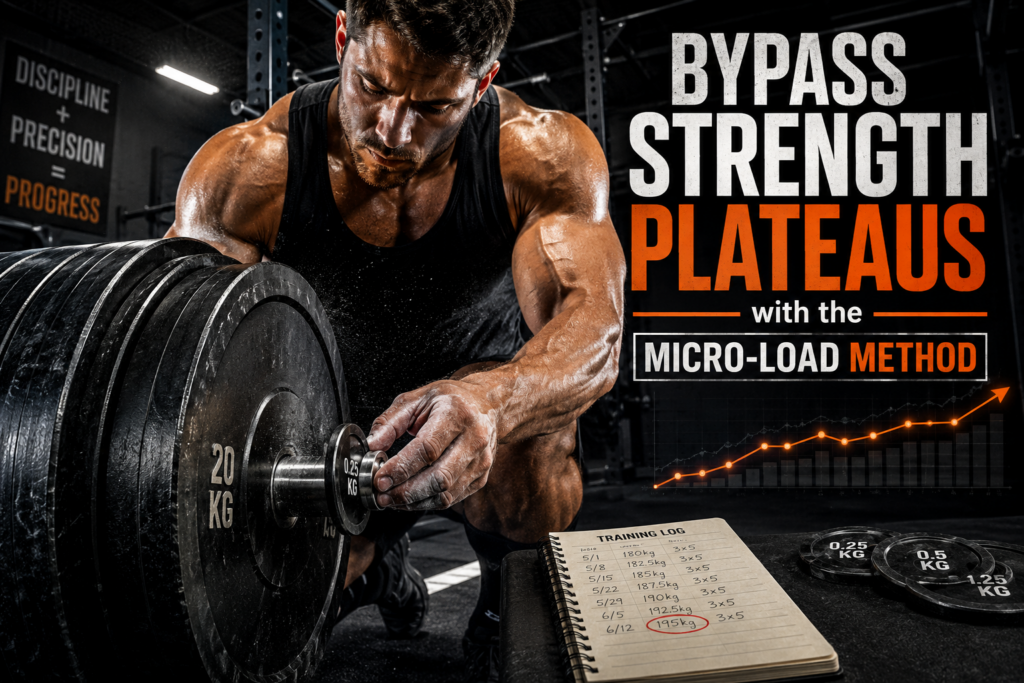
You added ten pounds to your bench press three months in a row. Now the bar won’t budge past 185 for weeks. This is where most lifters give up or switch programs completely. Bypass Strength Plateaus with the Micro-Load Method by adding weight in half-pound increments instead.
How Micro-Loading Lets You Bypass Strength Plateaus with the Micro-Load Method
Standard gym plates jump in five-pound intervals. That’s a ten-pound increase when you load both sides of the bar. Your muscles can’t always handle that jump in a single session.
Micro-plates weigh between a quarter-pound and two pounds each. You add them to the bar in tiny steps. This creates a progression your body can actually follow week after week.
The math here matters. A ten-pound jump on a 200-pound squat is a five percent increase. A one-pound jump is half a percent. Your central nervous system adapts to small changes much faster than big ones.
You can buy fractional plates from most strength equipment suppliers. Prices start around twenty dollars for a full set. Some lifters use heavy washers from hardware stores as a cheaper option.
Get Your Creatine + More: adds energy, strengthens and builds muscle mass, raises libido, improves body performance
Why Traditional Loading Schemes Stop Working After Beginner Gains
Beginners can add five or ten pounds every workout for months. This happens because untrained muscles respond to almost any stress. The adaptation window stays wide open during this phase.
That window narrows as you get stronger. Your body needs a more precise stimulus to trigger new growth. Jumping ten pounds becomes like trying to thread a needle wearing oven mitts.
Most intermediate programs tell you to deload when you stall. You drop the weight by ten percent and build back up. This works a few times but then you hit the same ceiling again.
The real problem is the size of your jumps. You’re asking your muscles to make a leap they can’t complete. Smaller increments remove this artificial barrier completely.
The Science Behind Why You Can Bypass Strength Plateaus with the Micro-Load Method
Your muscle fibers recruit in a specific order based on force requirements. Light weights activate slow-twitch fibers first. Heavier loads bring fast-twitch fibers into play.
A huge jump in weight changes which fibers do most of the work. Your nervous system has to create an entirely new recruitment pattern. This takes weeks of practice before the movement feels smooth again.
Micro-loading keeps the same fibers active from session to session. You’re refining an existing pattern instead of learning a new one. The adaptation happens faster because the change is nearly invisible to your body.
Research on progressive overload shows that consistency matters more than jump size. Lifters who added small amounts of weight weekly outperformed those using larger jumps monthly. The cumulative effect over six months was dramatically different.
Exercises That Respond Best When You Bypass Strength Plateaus with the Micro-Load Method
Upper body movements see the biggest benefit from micro-loading. Your shoulder and arm muscles are smaller than leg muscles. They can’t handle large weight jumps as easily.
The overhead press stalls faster than any other major lift. Adding ten pounds to a 95-pound press is harder than adding ten pounds to a 300-pound squat. Micro-plates let you progress for months without missing reps.
Bench press responds well to half-pound and one-pound jumps per side. Most lifters can add this amount every week for at least eight to twelve weeks. That’s eight to twelve pounds of progress instead of zero.
Isolation exercises like curls and tricep extensions also benefit. You can use magnetic micro-plates that stick to dumbbells. This extends your progression on accessory work that usually stalls within weeks.
Squats and deadlifts need micro-loading too once you reach intermediate strength levels. The absolute weight is higher but the percentage increase still matters. A two-pound jump beats staying stuck at the same weight indefinitely.
How to Set Up Your Training Schedule to Bypass Strength Plateaus with the Micro-Load Method
Start by testing your true max for five reps on each main lift. Use a weight you can complete with perfect form. This becomes your baseline for the next twelve weeks.
Add one pound total to upper body lifts each week. That’s a half-pound plate on each side of the bar. For lower body lifts, add two pounds total per week.
Keep the same rep scheme throughout this period. Don’t change from five reps to three reps halfway through. Changing variables makes it impossible to measure what’s actually working.
Track every session in a notebook or app. Write down the exact weight, reps, and how the set felt. You’ll see patterns emerge that show when to push and when to hold steady.
Plan for a deload every sixth week. Drop the weight by five percent for one week. This isn’t because micro-loading failed but because all progression needs recovery phases.
Common Mistakes That Prevent People from Using Micro-Loading Effectively
Some lifters add micro-plates but still try to jump five pounds the next week, undermining the linear progression model that micro-loading depends on. You can’t mix progression speeds like this—combining small incremental increases with large jumps creates inconsistent stimulus and prevents neuromuscular adaptation. Pick one method and follow it for at least two months straight to allow your central nervous system to develop the motor patterns and strength gains that come from consistent, predictable load increases.
Others use micro-loading only when they stall. The method works better as a prevention strategy. Start using small jumps before you hit a wall, not after.
Impatience kills more micro-loading programs than anything else. Adding one pound per week feels slow compared to beginner gains. Twelve weeks later you’re twelve pounds stronger while your gym partner hasn’t moved at all.
Skipping warm-up sets is another problem. Micro-loading requires excellent technique because you’re always near your max capacity. Three to four warm-up sets prepare your nervous system for heavy work.
Some people buy micro-plates but leave them at home. Keep them in your gym bag so they’re always available. Missing even one session breaks the progression pattern you’re building.
Equipment Options When You Want to Bypass Strength Plateaus with the Micro-Load Method
Metal micro-plates come in sets ranging from quarter-pounds to two-pounds. Most sets include two of each size. This gives you flexibility in how you progress week to week.
Magnetic plates stick to the sleeve of any standard barbell. They’re perfect for busy gyms where loose small plates disappear quickly. The magnets hold tight even during heavy lifts.
Chain links work as improvised micro-loads. Each foot of standard chain weighs about two pounds. You can drape them over the bar or attach them with carabiners.
Ankle weights provide another cheap option. Cut them open and use the individual weight packets. Each packet usually weighs half a pound or one pound.
PlateMate makes magnetic add-ons that work with dumbbells and machines too. This extends micro-loading beyond barbell work. Cable exercises especially benefit from precise weight increases.
How Long Before Micro-Loading Stops Working
Most lifters can add weight weekly for twelve to twenty weeks straight. That’s three to five months of uninterrupted progress. Compare this to stalling after four weeks on traditional programming.
Eventually you’ll need to switch to biweekly jumps. Add weight every other week instead of every week. This extends the method for another eight to twelve weeks.
Advanced lifters might progress monthly using micro-plates. The jumps are still smaller than standard plates allow. A one-pound increase per month beats no increase at all.
You can cycle back to weekly jumps after a deload phase. Drop your working weight by fifteen percent and rebuild. The second time through often goes smoother than the first.
Some exercises plateau faster than others. Your overhead press might need monthly jumps while your squat still handles weekly increases. Adjust each lift independently based on your response.
Frequently Asked Questions
What size micro-plates should I buy first?
Start with half-pound and one-pound plates for upper body lifts. These sizes give you the most flexibility for weekly progression. You can always add smaller quarter-pound plates later if needed.
Can I use micro-loading on a calorie deficit?
Yes, micro-loading works even better during a cut. Your recovery capacity drops when eating fewer calories. Smaller weight jumps match your reduced ability to adapt to new stress.
How do I know if the jump is too small?
The jump is never too small if you’re still making progress. Some advanced lifters add a quarter-pound per month on certain lifts. Forward movement at any speed beats standing still completely.
Do micro-plates work for bodyweight exercises?
Yes, use a weight vest or dip belt to add fractional loads. Adding one pound to a weighted chin-up follows the same principle. Small increases compound into major strength gains over six months.
Should I micro-load on every single lift?
Focus on your main compound movements first. Squat, bench, deadlift, and overhead press benefit most from micro-loading. Add it to accessories only after mastering progression on the big lifts.
Buy a set of micro-plates this week and add them to your next training session.