

Why Your Lean Bulk Fails Without This One Variable
Most traditional bulking approaches result in excessive fat gain because the body can only build muscle at a specific rate—about two pounds per month for natural lifters. The Ultimate Lean Bulk Blueprint for 2026 Muscle Growth uses precise calorie calculations within a narrow window to maximize muscle gains while minimizing fat storage.
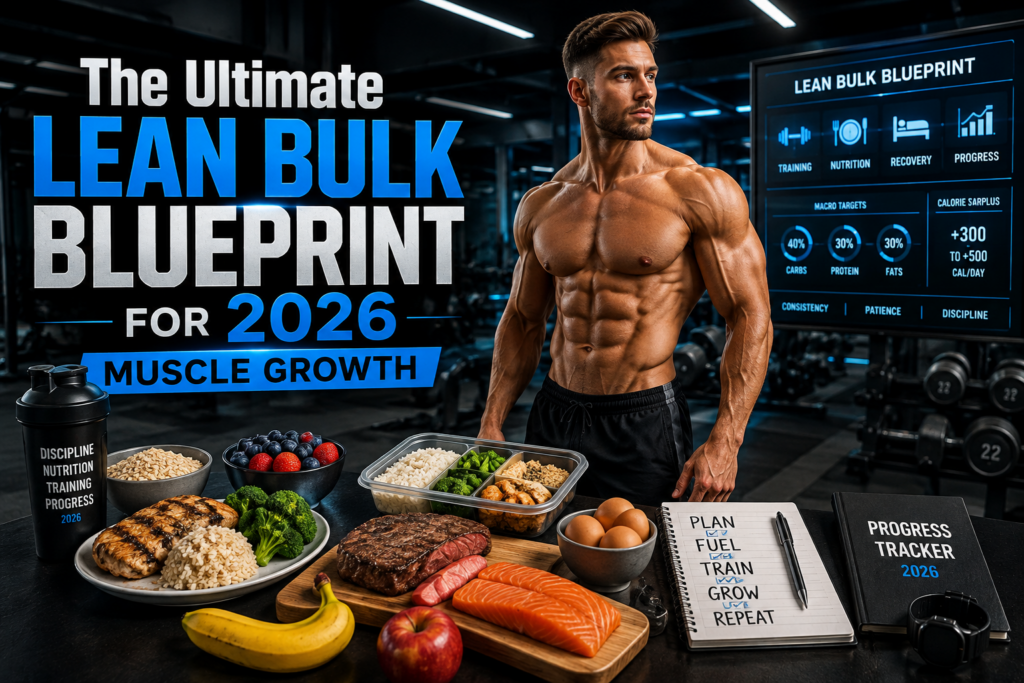
Most guys add twenty pounds and wonder why ten came from their waistline. The Ultimate Lean Bulk Blueprint for 2026 Muscle Growth stops that problem before it starts. Clean size takes patience and precise numbers. Your deficit between muscle gain and fat gain lives in a hundred calorie window.
Why The Ultimate Lean Bulk Blueprint for 2026 Muscle Growth Rejects Traditional Bulking
Old school bulking pushed trainees to eat everything in sight. Coaches promised you could cut the fat later without losing muscle. That rarely worked out the way people hoped.
Your body can only build muscle at a specific rate. Extra calories beyond that rate turn into fat storage. Science shows natural lifters gain about two pounds of muscle per month maximum. Eating for five pounds monthly means three pounds of pure fat.
The math changes everything about how you approach growth phases. A lean bulk keeps you within two hundred to three hundred calories above maintenance. You stay lean enough to see muscle definition throughout the process. No six month cutting phase needed afterward.
Fat cells you create during aggressive bulks stick around forever. They shrink when you cut but never disappear. More fat cells mean easier fat regain down the road. Starting lean and staying relatively lean protects your physique long term.
Calorie Precision in The Ultimate Lean Bulk Blueprint for 2026 Muscle Growth
Maintenance calories form your baseline for everything else. Track your weight and food intake for two weeks without changing habits. Stable weight means you found your true maintenance number. Most online calculators miss by three hundred calories in either direction.
Add two hundred fifty calories to that baseline number. Not five hundred. Not a thousand. Just two hundred fifty. This tiny surplus gives your body enough fuel for muscle repair and growth. Nothing extra goes to fat storage under normal conditions.
Weigh yourself every morning after using the bathroom before eating. Record all seven days and calculate the weekly average. Compare each week’s average to the previous week. Target half a pound gained per week for optimal results.
Gaining faster than half a pound weekly means you need to cut calories. Drop your intake by one hundred calories and reassess next week. Gaining slower means add fifty to one hundred calories. The scale gives you direct feedback about surplus accuracy.
Your maintenance calories shift as you gain muscle mass. Recalculate every four weeks based on new body weight. A guy who starts at one hundred sixty pounds eating twenty seven hundred calories needs twenty nine hundred at one seventy pounds. Ignoring this stalls progress or adds unwanted fat.
Protein Timing and The Ultimate Lean Bulk Blueprint for 2026 Muscle Growth
One gram per pound of body weight covers your daily protein needs. A one hundred seventy pound lifter eats one hundred seventy grams daily. Going higher provides no additional muscle building benefit according to current research.
Spread that protein across four meals minimum. Your body can only process about forty grams per meal for muscle building. Eating one hundred grams in one sitting wastes most of it. Four meals of forty grams each maximizes protein synthesis throughout the day.
Pre workout protein matters less than most people think. Post workout protein matters more but the window lasts four hours. You don’t need a shake in the locker room. A solid meal within two hours works perfectly fine.
Bedtime protein deserves special attention during a lean bulk phase. Casein protein or Greek yogurt digests slowly through the night. This prevents muscle breakdown during your eight hour fast. Morning protein intake restarts the growth signal after that overnight period.
Training Frequency Within The Ultimate Lean Bulk Blueprint for 2026 Muscle Growth
Each muscle group needs stimulus twice per week for maximum growth. Training chest only on Mondays leaves six days of zero growth signal. Hitting chest Monday and Thursday doubles your weekly muscle building windows.
Volume per session matters more than how long you spend exercising. Ten to twenty sets per muscle group weekly produces the best results. Split that into two sessions of five to ten sets each. Going beyond twenty sets adds fatigue without extra growth.
Progressive overload means adding weight or reps each week consistently. Write down every working set with weight and reps performed. Next week you must beat at least one of those numbers. Adding five pounds monthly to major lifts keeps you growing for years.
Failure training sounds hardcore but actually slows progress during a bulk. Stop each set one to two reps before total failure. This preserves recovery capacity and lets you train more frequently. Leaving reps in the tank feels wrong but produces better monthly results.
Deload weeks prevent burnout and injury during long growth phases. Every fifth week cut your volume in half while maintaining weights. Your muscles catch up on repair and adaptation. You come back stronger in week six than pushing through would allow.
Reclaim Your Edge: The Ultimate Blueprint for Energy, Strength, and Peak Body Performance
Carbohydrate Strategy and The Ultimate Lean Bulk Blueprint for 2026 Muscle Growth
Carbs fuel your hardest training sessions and refill muscle glycogen afterward, making them essential during a lean bulk surplus. Time most carbs around your workouts for direct performance benefits and insulin sensitivity optimization. A pre workout meal two hours before lifting should contain fifty to seventy grams of complex carbohydrates to sustain energy without causing digestion issues. Post workout carbs within ninety minutes trigger an insulin spike that shuttles amino acids into muscle tissue, accelerating muscle protein synthesis and glycogen replenishment during this critical anabolic window.
Low carb days serve no purpose during a proper lean bulk. Your small surplus already limits fat gain potential. Carb cycling just makes adherence harder and training quality inconsistent. Consistent carb intake daily produces steadier energy and better gym performance.
Fiber intake from carb sources keeps digestion smooth despite higher food volume. Target thirty grams of fiber daily from oats, rice, potatoes, and vegetables. Less fiber means bloating and digestive discomfort. More fiber than thirty five grams can interfere with nutrient absorption.
Simple carbs immediately post workout spike insulin and shuttle nutrients into muscles. White rice and fruit work better than sweet potatoes in this specific window. Save complex carbs for meals further from training when insulin sensitivity matters less.
Fat Intake Balancing in The Ultimate Lean Bulk Blueprint for 2026 Muscle Growth
Dietary fat supports testosterone production and overall hormone health during growth phases. Point five grams per pound of body weight covers your needs. A one seventy pound lifter needs eighty five grams of fat daily minimum.
Saturated fat from red meat and eggs provides cholesterol for hormone production. Aim for one third of your fat intake from saturated sources. The remaining two thirds should come from olive oil, nuts, and fatty fish. This balance optimizes both testosterone and cardiovascular health.
Very low fat diets tank testosterone levels within two weeks. Guys trying to stay super lean by cutting fats sabotage muscle growth. Your body needs fat to build muscle tissue. Skimping here costs you strength and size gains.
Fat timing matters less than protein and carb timing. Spread fats evenly throughout your meals for sustained energy. Avoid very high fat meals immediately before training. They slow digestion and make heavy lifting uncomfortable.
Sleep Requirements for The Ultimate Lean Bulk Blueprint for 2026 Muscle Growth
Seven hours of sleep minimum allows proper muscle recovery and growth. Less sleep reduces protein synthesis rates by up to thirty percent. You waste your perfect diet and training by sleeping five hours nightly.
Growth hormone releases during deep sleep phases in your third and fourth sleep cycles. Cutting sleep short prevents those later cycles from happening. Your body never gets the hormonal signal to build new tissue. Consistent early bedtimes fix this completely.
Sleep quality beats sleep quantity when you can’t get both. A cool dark room between sixty five and sixty eight degrees improves deep sleep. Remove all screens one hour before bed to protect melatonin production. These simple changes often add an hour of effective recovery.
Naps benefit muscle growth if your night sleep falls short occasionally. A thirty minute afternoon nap boosts daily recovery without affecting nighttime sleep. Longer naps can interfere with your regular sleep schedule. Keep them short and early in the afternoon.
Supplement Selection Within The Ultimate Lean Bulk Blueprint for 2026 Muscle Growth
Creatine monohydrate stands as the only supplement with decades of muscle building proof. Five grams daily increases strength and muscle fullness within two weeks. Take it any time of day with water. Loading phases waste money and offer no benefit.
Whey protein powder simply makes hitting protein targets more convenient. Nothing magical happens compared to chicken or fish. Use it when whole food feels impractical. Skip it entirely if you enjoy eating enough meat and eggs.
Vitamin D deficiency limits muscle growth in over forty percent of people. Get blood work done and supplement if below optimal levels. Most people need two thousand to four thousand IU daily. This costs pennies and fixes a common hidden problem.
Pre workout supplements create dependency and tolerance within weeks of daily use. Caffeine from coffee works just as well without proprietary blends. Save pre workouts for occasional use when motivation runs low. Daily use means diminishing returns and withdrawal symptoms.
Frequently Asked Questions
How long should I follow a lean bulk program?
Continue your lean bulk for six to twelve months minimum. Longer bulks maximize muscle gain while minimizing time spent cutting. Stop when body fat reaches fifteen percent for best results.
Can I build muscle in a calorie deficit?
Beginners and overweight individuals can build some muscle in deficits. Advanced lifters need a surplus to gain meaningful size. A lean bulk surplus works better for dedicated muscle growth.
What happens if I gain weight too fast?
Rapid weight gain means you added mostly fat instead of muscle. Reduce calories by one hundred immediately and reassess weekly. Your body cannot build muscle faster by eating more.
Do I need to eat clean foods only?
Eighty percent of calories from whole foods covers your nutrition needs. Twenty percent can come from treats or convenience foods. Total calories and protein matter more than food sources.
Should I do cardio during a lean bulk?
Light cardio two to three times weekly supports heart health and appetite. Keep sessions under thirty minutes to preserve recovery capacity. Too much cardio interferes with muscle growth and strength gains.
Start tracking your maintenance calories today and add two hundred fifty tomorrow.