
7 Vegan Protein Powders You Can Mix in 60 Seconds
Store-bought vegan protein powders are expensive and filled with mystery ingredients, but making your own costs less and lets you control exactly what goes in. Homemade vegan protein blends eliminate fillers and artificial additives while keeping protein content high.
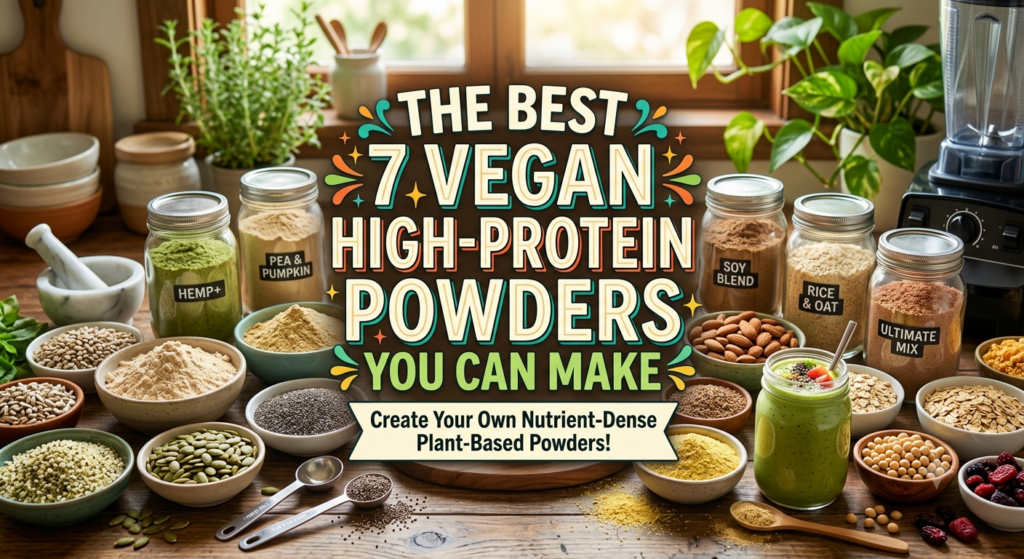
You stand in your kitchen staring at expensive protein powder tubs. The labels promise plant power but your wallet feels lighter. Making your own changes that equation completely. The Best 7 Vegan High-Protein Powders You Can Make cost less and contain exactly what you want.
Why Making The Best 7 Vegan High-Protein Powders You Can Make Beats Buying
Plant-based nutrition has evolved far beyond simple soy isolates and chalky retail tubs. For bodybuilders, endurance athletes, and health-conscious lifters, crafting homemade vegan high-protein powders represents the pinnacle of whole-food nutrition control.
Commercial plant protein supplements frequently rely on synthetic thickeners, gums (such as xanthan or guar gum), artificial sweeteners like sucralose, and heavily processed isolates that can trigger digestive distress or bloating.
By manufacturing your own plant protein powders at home, you eliminate unnecessary additives while leveraging complementary plant bases to achieve complete amino acid profiles. Plants carry distinct leucine, methionine, and lysine concentrations; combining grains, seeds, defatted legumes, and nuts creates a synergistic protein punch packed with intact dietary fiber, essential omega fatty acids, and key micronutrients.
Below are the 7 best vegan high-protein powder recipes you can formulate right in your kitchen, optimized for performance, muscle hypertrophy, and recovery.
1. The Ultimate Complete Seed & Grain Power House
Best For: Everyday muscle building & complete amino acid coverage
This flagship blend combines raw hemp hearts (a complete plant protein containing all nine essential amino acids) with defatted peanut flour and raw pumpkin seeds (pepitas). Enhanced with quinoa flakes, it provides an exceptional BCAA content with smooth blendability.
Ingredients (Yields ~8 Servings)
-
1 cup Raw Hemp Hearts (~30g protein)
-
1 cup Defatted Peanut Flour or PB2 (~64g protein)
-
1/2 cup Raw Pumpkin Seeds / Pepitas (~19g protein)
-
1/2 cup Quinoa Flakes (~12g protein)
-
2 tbsp Chia Seeds (~4g protein)
Macro Profile (Per 45g Scoop)
-
Protein: 21g
-
Carbs: 12g
-
Fat: 5.5g
-
Calories: 180 kcal
How to Make It
-
Grind the pumpkin seeds, chia seeds, and quinoa flakes together in a high-speed blender or dry spice mill until finely pulverized into flour.
-
Pulse the hemp hearts briefly (avoid over-milling to prevent natural oils from turning into paste).
-
Whisk all ingredients together with peanut flour in a large bowl and sift once. Store in an airtight container.
Combine Your Vegan High-Protein Powder with the Best Natural Supplements Available
2. Lean Pea & Soy Protein Isolate Synergy
Best For: Low-fat cuts, maximum protein density & post-workout synthesis
By pairing unflavored pea protein isolate with non-GMO organic soy milk powder, this blend mirrors the macronutrient density of commercial isolates while remaining 100% clean. Pea protein is exceptionally high in lysine and BCAAs but lower in methionine, which is supplemented perfectly by soy milk powder.
Ingredients (Yields ~10 Servings)
-
1.5 cups Unflavored Pea Protein Isolate 80% (~120g protein)
-
1 cup Organic Soy Milk Powder (~50g protein)
-
1/2 cup Defatted Coconut Flour (~10g protein)
-
1 tbsp Pure Ground Cinnamon
Macro Profile (Per 40g Scoop)
-
Protein: 25g
-
Carbs: 6g
-
Fat: 2.0g
-
Calories: 145 kcal
How to Make It
-
Whisk all powdered bases thoroughly in a ceramic bowl.
-
Sift twice through a fine-mesh strainer to break up any soy milk clumps.
-
Store at room temperature in a dark, sealed tub.
3. Dark Cacao & Flaxseed Anti-Inflammatory Recovery Blend
Best For: Post-workout muscle repair & joint health
Ideal for post-workout muscle repair, this rich chocolate powder pairs raw cacao with ground golden flaxseeds and defatted peanut flour. Raw cacao offers high concentrations of magnesium and antioxidants to combat exercise-induced oxidative stress.
Ingredients (Yields ~8 Servings)
-
1.5 cups Defatted Peanut Flour (~96g protein)
-
1/2 cup Ground Golden Flaxseed Meal (~16g protein)
-
1/2 cup Unsweetened Raw Cacao Powder (~12g protein)
-
1/2 cup Hemp Protein Powder (~30g protein)
-
1 tsp Real Vanilla Bean Powder
Macro Profile (Per 50g Scoop)
-
Protein: 22g
-
Carbs: 14g
-
Fat: 4.5g
-
Calories: 185 kcal
How to Make It
-
Thoroughly blend the flaxseed meal, cacao powder, hemp protein, and peanut flour.
-
Store in the refrigerator to protect the delicate omega-3 alpha-linolenic acid (ALA) in the flaxseed from oxidation.
4. Green Superfood & Nutritional Yeast Energy Surge
Best For: Micronutrient saturation, B-vitamins & immune strength
Nutritional yeast is a plant-based muscle-building powerhouse, boasting a complete amino acid profile alongside rich B-complex vitamins. Blended with spirulina and pumpkin seed protein powder, this mix provides clean physical energy and immune defense.
Ingredients (Yields ~8 Servings)
-
1 cup Pumpkin Seed Protein Powder (~60g protein)
-
1 cup Unfortified Nutritional Yeast Flakes (~48g protein)
-
1/2 cup Hemp Hearts (~30g protein)
-
2 tbsp Organic Spirulina Powder (~8g protein)
Macro Profile (Per 45g Scoop)
-
Protein: 23g
-
Carbs: 10g
-
Fat: 4.0g
-
Calories: 170 kcal
How to Make It
-
Mill nutritional yeast flakes into a fine powder using a dry spice grinder.
-
Pulse hemp hearts lightly in a blender.
-
Blend all ingredients with spirulina and pumpkin protein powder until uniform in green color.
5. Brown Rice & Yellow Pea BCAA Ratio Equalizer
Best For: Maximum leucine content & muscle hypertrophy
Combining brown rice protein with yellow pea protein creates the classic “70/30” ratio famous in plant-based sports science. Rice protein is high in sulfur-containing amino acids (cysteine and methionine) but lower in lysine, while pea protein is the exact inverse—creating a complete protein profile comparable to whey.
Ingredients (Yields ~12 Servings)
-
1.5 cups Organic Brown Rice Protein Concentrate 80% (~144g protein)
-
1.5 cups Yellow Pea Protein Isolate 80% (~144g protein)
-
1/2 cup Wheat Germ or Oat Flour (~13g protein)
-
1 tbsp Ground Ginger
Macro Profile (Per 40g Scoop)
-
Protein: 27g
-
Carbs: 5g
-
Fat: 1.5g
-
Calories: 145 kcal
How to Make It
-
Combine both protein isolates with wheat germ and ground ginger in a dry container.
-
Shake or whisk vigorously to integrate completely.
6. Golden Turmeric & Coconut Milk Anti-Catabolic Blend
Best For: Joint recovery & evening muscle synthesis
Inspired by traditional golden milk, this soothing powder utilizes dehydrated coconut milk powder, pumpkin seeds, and soy protein isolate alongside active curcumin from turmeric and black pepper (piperine) to speed joint and tissue recovery.
Ingredients (Yields ~8 Servings)
-
1.5 cups Soy Protein Isolate (~108g protein)
-
1/2 cup Raw Pumpkin Seeds (~19g protein)
-
1/3 cup Dehydrated Coconut Milk Powder (~4g protein)
-
1.5 tbsp Organic Ground Turmeric
-
1/2 tsp Freshly Ground Black Pepper
Macro Profile (Per 45g Scoop)
-
Protein: 22g
-
Carbs: 7g
-
Fat: 5.0g
-
Calories: 160 kcal
How to Make It
-
Pulverize pumpkin seeds into a fine meal using a high-powered blender.
-
Whisk together with soy isolate, coconut milk powder, turmeric, and black pepper.
-
The piperine in black pepper enhances curcumin absorption by up to 2,000%, maximizing recovery benefits.
7. High-Calorie Oats & Almond Clean Gainer
Best For: Bulking seasons & hardgainers requiring surplus calories
For plant-based hardgainers needing extra quality calories and complex carbs, this formula blends defatted almond flour, whole rolled oats, chia seeds, and sunflower seed protein into a nutrient-dense gainer shake.
Ingredients (Yields ~6 Servings)
-
1.5 cups Rolled Oats (~16g protein)
-
1 cup Defatted Almond Flour (~40g protein)
-
1 cup Sunflower Seed Protein Powder (~56g protein)
-
1/4 cup Chia Seeds (~8g protein)
-
1/4 cup Date Powder or Coconut Sugar
Macro Profile (Per 65g Scoop)
-
Protein: 22g
-
Carbs: 30g
-
Fat: 6.5g
-
Calories: 265 kcal
How to Make It
-
Grind rolled oats and chia seeds into fine flour using a high-powered blender.
-
Whisk thoroughly with almond flour, sunflower protein, and date powder for natural sweetness.
Frequently Asked Questions (FAQ)
1. Are homemade vegan protein powders complete proteins?
Yes, when formulated properly. While individual plant sources (like rice or corn) can be lower in specific amino acids like lysine, pairing them with legumes or seeds (like pea protein or hemp) creates a complete amino acid profile containing all nine essential amino acids required for muscle protein synthesis.
2. How long do DIY vegan protein powders stay fresh?
Storage depends on fat content:
-
Dry isolate & defatted flour blends (such as pea isolate, rice protein, or peanut flour) can be stored in a cool, dry pantry for 3 to 6 months.
-
Blends with whole seeds or healthy fats (like flaxmeal, chia seeds, or hemp hearts) should be stored in airtight glass containers in the refrigerator or freezer and used within 4 to 6 weeks to prevent fatty acid oxidation.
3. Why do homemade plant powders feel grittier than commercial brands?
Commercial vegan protein brands use industrial micro-milling processes and add synthetic gums (xanthan gum, guar gum) or emulsifiers (sunflower lecithin) to force insoluble plant fibers to stay suspended in water. Homemade powders rely on ground whole seeds and natural grains. To achieve a smooth texture, use an electric blender rather than a simple shaker cup.
4. Can I bake with these homemade vegan protein powders?
Absolutely. Blends based on defatted peanut flour, oat flour, and hemp protein perform exceptionally well in protein pancakes, oatmeals, and baked bars. While high heat may degrade delicate heat-sensitive vitamins, the amino acid integrity remains completely intact.
5. Is it cheaper to make vegan protein powder at home?
Yes. Purchasing bulk plant protein bases (such as raw hemp hearts, defatted peanut flour, and pea isolate) reduces the cost per gram of protein by 30% to 50% compared to branded retail vegan tubs, eliminating retail markups and packaging costs.