
Why Most Bulk Harder on Regular Yogurt Than Lactose Free
Lactose free high protein yogurt for bulking solves the digestive problems that interrupt muscle growth for millions with lactose intolerance. Using lactase enzyme technology, these yogurts provide dense protein sources your body can actually absorb without gas, cramping, or nutrient loss.
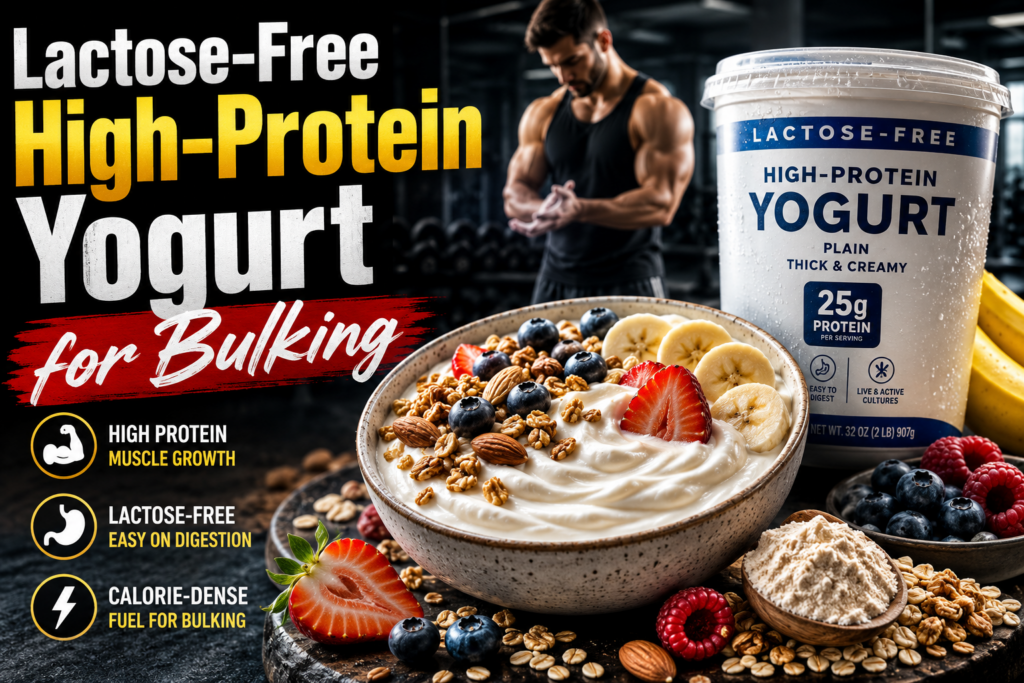
Lactose Free High Protein Yogurt for Bulking changes how you fuel muscle growth without gut distress. Traditional dairy wreaks havoc on digestion for millions trying to add size. Lactose intolerance doesn’t mean you sacrifice protein-dense convenience foods. The right yogurt delivers 15 to 20 grams of protein per serving without the bloating.
Why Lactose Free High Protein Yogurt for Bulking Outperforms Regular Dairy
Your body needs digestible calories to build muscle. Regular yogurt contains lactose that your gut can’t break down properly. This causes gas, cramping, and diarrhea that interrupt your training schedule. You lose nutrients before your muscles absorb them.
Lactose-free versions use the enzyme lactase to pre-digest milk sugar. Your intestines handle these products without inflammation. You keep every gram of protein you consume. Recovery improves when your gut isn’t fighting dairy constantly.
Greek-style lactose-free yogurt packs twice the protein of regular versions. A single cup gives you the same amino acids as three eggs. You can eat it straight from the container between meals. No cooking or mixing required.
The calcium content supports bone density during heavy lifting phases. Most lifters ignore this until stress fractures sideline their progress. Yogurt gives you 300 milligrams per serving without supplements.
Calorie Density Strategies with Lactose Free High Protein Yogurt for Bulking
Bulking demands a surplus of 300 to 500 calories daily. Plain lactose-free yogurt contains only 100 to 150 calories per cup. You need to add calorie-dense foods to hit your targets. Mix in two tablespoons of almond butter for an extra 200 calories.
Granola adds crunch and quick carbohydrates. Choose versions with oats, nuts, and seeds. Half a cup brings 250 calories to your bowl. Dried fruit like dates or raisins contributes another 120 calories per quarter cup.
Honey provides simple sugars that replenish glycogen after training. One tablespoon adds 60 calories. Drizzle it over yogurt mixed with protein powder for a post-workout meal. This combination digests faster than solid food.
You can blend yogurt into smoothies with banana, berries, and oats. This liquid meal goes down easily when you’re too full for solid food. Drinking calories helps you maintain a surplus without forcing yourself to chew.
Track your daily intake using a food scale. Eyeballing portions leads to 200-calorie errors that stall muscle gain. Weigh your yogurt and toppings every time for three weeks. You’ll learn accurate portions by sight after that.
Timing Your Lactose Free High Protein Yogurt for Bulking Around Workouts
Pre-workout yogurt sits too heavy in your stomach during intense sessions. Save it for at least two hours before training. Your body diverts blood to digestion instead of working muscles. This reduces your performance on compound lifts.
The 30-minute post-workout window matters less than total daily protein. Research shows muscle protein synthesis stays elevated for 24 hours after training. Eating yogurt within three hours of your session works perfectly fine.
Evening servings help you hit protein targets without cooking dinner twice. Most people fall short on protein by 20 to 30 grams at night. A bowl of yogurt before bed prevents muscle breakdown during sleep. Casein protein in dairy digests slowly over six to eight hours.
Morning yogurt with coffee creates a quick breakfast that requires zero preparation. You get complete protein while others skip meals entirely. Consistency matters more than perfect timing for muscle growth.
Between-meal servings stabilize blood sugar and prevent energy crashes. Eating every three to four hours maintains an anabolic state. Yogurt takes 30 seconds to prepare compared to cooking chicken breast.
Selecting Quality Lactose Free High Protein Yogurt for Bulking Products
Read ingredient labels before buying any yogurt. The first ingredient should be milk, not water. Some brands dilute their products with thickeners and fillers. You pay for protein you’re not getting.
Check the sugar content per serving. Flavored versions contain 15 to 25 grams of added sugar. This spikes insulin without providing sustained energy. Plain varieties let you control sweetness with whole food additions.
Protein content varies wildly between brands. Look for at least 15 grams per cup. Skyr and Greek styles concentrate protein through straining. Regular yogurt gives you only 5 to 8 grams per serving.
Live active cultures support gut health during a calorie surplus. Probiotics like L. acidophilus and Bifidobacterium improve nutrient absorption. Your microbiome influences how efficiently you convert food into muscle.
Organic certification reduces exposure to growth hormones and antibiotics. These compounds disrupt your endocrine system over time. Paying an extra dollar per container protects long-term health. For additional muscle-building support, many athletes turn to specialized supplements that complement their nutrition plan.
Common Mistakes When Using Lactose Free High Protein Yogurt for Bulking
Relying solely on yogurt for protein creates amino acid imbalances. You need variety from meat, fish, eggs, and legumes. No single food provides optimal nutrition for muscle growth. Rotate your protein sources throughout the day.
Buying low-fat versions cuts calories you desperately need during a bulk. Full-fat yogurt provides fat-soluble vitamins A, D, E, and K. These support testosterone production and immune function. The extra 50 calories per serving adds up over months.
Ignoring portion sizes leads to accidental cuts instead of bulks. One cup seems small but contains significant protein and calories. Measure your servings until you develop accurate intuition. Undereating by 200 daily calories costs you two pounds of potential muscle monthly.
Mixing yogurt with artificial sweeteners trains your palate to expect intense sweetness. This makes whole foods taste bland by comparison. Use small amounts of maple syrup or fruit instead. Your taste buds adapt within two weeks.
Skipping yogurt on rest days because you’re not training is backwards thinking. Your muscles grow during recovery, not during workouts. Rest days demand the same protein intake as training days. Protein synthesis doesn’t stop when you leave the gym.
Budget-Friendly Approaches to Lactose Free High Protein Yogurt for Bulking
Store brands cost 30 to 40 percent less than name brands. The nutritional profile remains nearly identical. Compare labels side by side in the dairy aisle. You’ll find the same protein content at half the price.
Buying larger containers reduces cost per serving dramatically. A 32-ounce tub costs less than four individual cups. Portion it yourself into reusable containers. This saves $40 monthly for daily yogurt consumers.
Sales cycles repeat every six to eight weeks at most grocery stores. Stock up when your preferred brand goes on sale. Yogurt keeps for three to four weeks past the sell-by date. Buy six containers and freeze half for later use.
Making your own lactose-free yogurt cuts costs by 60 percent. You need lactose-free milk, a yogurt maker, and starter culture. The initial investment pays for itself after 20 batches. Each gallon of milk produces eight cups of yogurt.
Wholesale clubs offer restaurant-sized containers at wholesale prices. A 64-ounce tub costs what you’d pay for 16 ounces at regular stores. Split large purchases with training partners. Everyone saves money while hitting protein goals. When budgeting for muscle gain, consider how quality nutritional products fit into your overall plan.
Combining Supplements with Lactose Free High Protein Yogurt for Bulking
Creatine monohydrate mixes directly into yogurt without changing the taste. Add five grams daily to support strength gains. The protein in yogurt doesn’t interfere with creatine absorption. This combination simplifies your supplement routine.
Protein powder turns yogurt into a 40-gram protein bomb. Use half a scoop to avoid chalky texture. Whey isolate works well for lactose-sensitive people. The yogurt masks the artificial flavor common in cheap powders.
Collagen peptides improve joint health during heavy training blocks by supporting connective tissue repair. Mix 10 grams into your morning yogurt for convenient dosing. Collagen doesn’t count toward your daily protein target because it’s an incomplete protein lacking sufficient leucine and other essential amino acids to trigger muscle protein synthesis effectively. However, it complements your yogurt’s complete amino acid profile by providing glycine and proline, which support bone density and recovery without interfering with your primary muscle-building protein intake.
Omega-3 fish oil capsules taken with yogurt reduce fishy burps. The fat content in yogurt helps absorb fat-soluble nutrients. You need 2 to 3 grams of EPA and DHA daily. This fights inflammation from intense training.
Vitamin D deficiency affects 40 percent of athletes in winter months. Yogurt contains some vitamin D, but not enough for optimal levels. Take 2000 to 4000 IU daily with your yogurt. This supports testosterone production and immune function. Smart lifters understand that strategic supplementation enhances their dietary foundation.
Tracking Progress Beyond the Scale with Lactose Free High Protein Yogurt for Bulking
Body weight fluctuates by three to five pounds daily from water and food. Weigh yourself every morning after using the bathroom. Track the weekly average instead of daily numbers. This removes noise from your data.
Strength progression shows whether you’re building muscle or just fat. Add five pounds to your compound lifts every two weeks. If your squat stalls for three weeks, you’re not eating enough. Increase your yogurt servings by one cup daily.
Progress photos reveal changes the mirror hides. Take front, side, and back shots every two weeks. Use the same lighting and clothing each time. Compare photos from eight weeks apart, not two weeks.
Waist measurements prevent excessive fat gain during bulks. Measure around your navel first thing in the morning. Your waist should increase no more than one inch per month. Faster growth means you’re eating too many calories.
Sleep quality indicates whether your body recovers properly. You should fall asleep within 20 minutes and wake feeling rested. Poor sleep despite adequate calories suggests overtraining. Take an extra rest day and maintain your yogurt intake.
Frequently Asked Questions
How much lactose-free yogurt should I eat daily for bulking?
Aim for one to three cups spread throughout your day. This provides 30 to 60 grams of protein. Adjust based on your total daily protein needs of 0.8 grams per pound.
Can I bulk using only lactose-free yogurt as my protein source?
No, you need variety from multiple protein sources. Yogurt lacks certain amino acids found in meat and fish. Use it as one component of a diverse diet.
Does lactose-free yogurt work as well as regular yogurt for muscle growth?
Yes, removing lactose doesn’t change the protein quality. Your muscles use the same amino acids either way. Digestion improves when your gut tolerates the food better.
Should I choose Greek or regular style lactose-free yogurt for bulking?
Greek style contains twice the protein per cup. Regular yogurt requires eating larger portions to hit protein targets. Choose based on your appetite and calorie needs.
How long does lactose-free yogurt stay fresh after opening?
Properly sealed yogurt lasts seven to ten days refrigerated. Check for mold or sour smell before eating. Discard any containers left at room temperature over two hours.
Start adding one cup of lactose-free high protein yogurt to your daily meal plan tomorrow and track your strength gains over the next month.