

Ancient Grains Bodybuilders Hide From Their Competitors
Ancient grains like amaranth, teff, and kamut deliver 9-10 grams of protein per cup with complete amino acid profiles for muscle growth. These natural alternatives have built civilizations for centuries and outperform modern processed options without lab-created formulas.
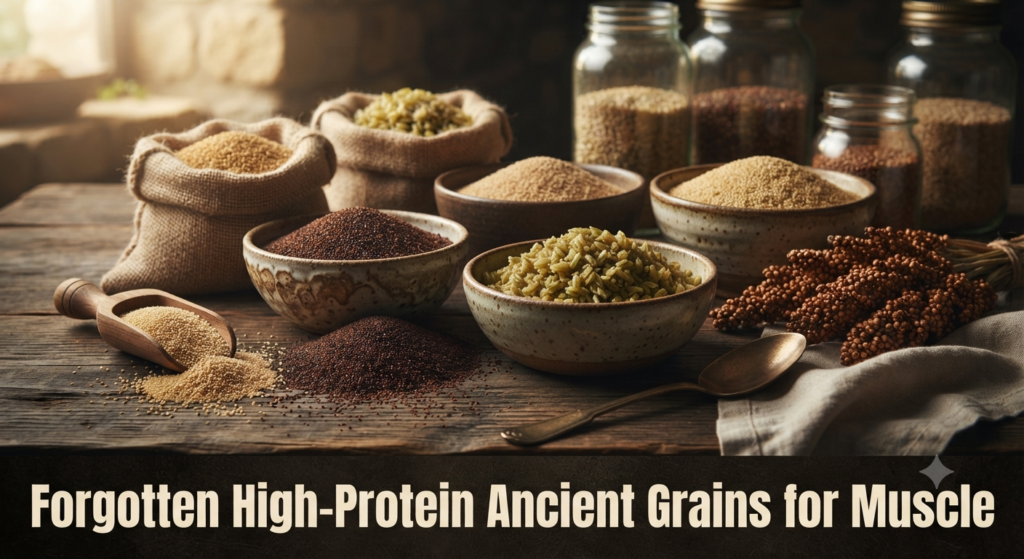
Most protein powders sit on the counter while Forgotten High-Protein Ancient Grains for Muscle have fed civilizations for centuries. Modern food marketing made you forget them. You don’t need lab-created formulas when nature already built muscle-growing grains.
Why Forgotten High-Protein Ancient Grains for Muscle Beat Modern Options
Teff and kamut each deliver 9.8 grams of protein per cooked cup. Amaranth provides 9.3 grams per cup. These numbers rival many processed foods hyped for muscle gain.
The protein concentration tells only half the story.
Amaranth stands as a complete protein with all nine essential amino acids. Quinoa also offers a complete protein source. Your body gets everything needed to repair and build tissue. No combining different foods at every meal.
Einkorn and hard spelt contain 17.7% protein in whole meals. Modern wheat can’t match this. The breeding programs focused on yield and baking properties. They didn’t prioritize nutrition.
Teff Delivers Complete Amino Acids for Forgotten High-Protein Ancient Grains for Muscle
Teff comes from Ethiopia and contains protein, fiber, minerals, and a complete amino acid profile. One cup provides 9.8 grams and it’s gluten-free.
Size matters here.
Teff grains measure less than 1% the size of wheat kernels. The tiny seeds cook fast. You can add them to smoothies or sprinkle them on meals raw after soaking.
Teff’s amino acid profile enhances protein synthesis. This means your muscles actually use what you eat. The low glycemic index prevents blood sugar spikes during workouts.
The grain stays rich in calcium, iron, and protein. You build bones while you build muscle. High fiber content improves gut bacteria and digestion. Better nutrient absorption follows.
Kamut and Spelt Pack More Protein Than Modern Wheat
Kamut is an ancient grain variety of non-hybridized wheat unchanged by breeding. It has a higher protein amount than hard red wheat.
Research shows kamut contains higher protein and fatty acids than modern wheat. Some people digest it easier. Natural sugar content gives it a sweeter, nutty flavor.
Kamut contains eight necessary amino acids, making it nearly complete. You only miss one. Pair it with any legume and you fill that gap.
Spelt wheat berries contain 10.7 grams of protein per cup. This beats nearly all other grains. Einkorn and hard spelt show the highest protein content at 17.7%.
Spelt rates high in protein, fiber, zinc, magnesium, iron and niacin. Niacin helps your body digest protein and carbs. The grain supports its own use.
Amaranth Offers Forgotten High-Protein Ancient Grains for Muscle Benefits
Amaranth carries more protein than most cereals plus calcium, iron, and magnesium for bone health and muscle performance. One cup cooked gives approximately 9 grams of protein.
Technically amaranth is a seed.
People have cultivated amaranth for more than 8,000 years. It’s native to the Americas and gluten-free. Athletes with celiac disease can still use it.
Research found amaranth seeds showed the highest total amino acid content. They beat both buckwheat and quinoa in studies. Amaranth contains a protein peptide similar to lunasin found in soybeans. Studies link lunasin to cancer prevention.
You can pop amaranth like popcorn. Grind it into flour. Cook it like rice. The versatility means you won’t get bored.
Sorghum and Millet Provide Plant Protein for Forgotten High-Protein Ancient Grains for Muscle
Protein content in sorghum ranges from 10.62 to 12.46%. Sorghum provides 10.4 grams of protein per 100 grams. This makes it competitive with teff and amaranth.
Sorghum proteins contain high amounts of leucine, proline, and alanine but are limiting in lysine. Leucine directly triggers muscle protein synthesis. Studies show leucine regulates muscle protein synthesis in dose-dependent ways.
Sorghum’s high-protein content makes it great for plant-based diets. One cooked cup of sorghum delivers 6.6 grams of protein.
Millet grains contain 8 to 15% protein on dry weight. Cooked millet provides 6.1 grams per cup. The numbers look lower than other ancient grains.
But millet makes up for this with minerals.
Millet contains magnesium, phosphorus, and calcium supporting muscle, bone, and nerve function. Millets are gluten-free and hypoallergic. You can eat them daily without issues.
How Forgotten High-Protein Ancient Grains for Muscle Support Recovery
Ancient grains like quinoa offer complete protein for muscle repair and maintenance. Recovery happens between workouts. Your body needs raw materials.
High-protein grains help reach optimal protein intake supporting strength, tissue formation, and muscle maintenance. They also balance blood sugar and increase satiety. You eat less junk between meals.
Ancient wheat species present higher levels of protein, fat and ash than common wheat. They are less processed, retaining more nutrients and natural compounds. Modern milling strips away nutrition.
In vitro protein digestibility of ancient wheats averaged 86.7% compared to 97.6% for casein. The numbers show high bioavailability. Your body absorbs what you eat.
Protein helps preserve lean muscle mass during weight loss. Cut calories without losing gains. The fiber keeps you full while protein protects tissue.
Practical Ways to Use These Grains Daily
Kamut wheat berries work in salads, soups, and stews. Use spelt flour when baking bread or muffins. Freekeh racks up fewer calories per serving than quinoa or brown rice.
Cook any of these grains like rice.
Meal prep on Sunday. Cook three cups dry grain. Store in the fridge. Add to meals all week. Toss into stir-fries. Mix with vegetables. Top with protein sources.
A typical serving of cooked ancient grains is half a cup containing 100 to 150 calories. This provides key nutrients without excessive carbs. Two servings at each meal adds 12 to 20 grams of protein.
Cook amaranth for breakfast porridge, pilafs, or salads, or pop it like popcorn. Grind teff into flour for breads, muffins, and Ethiopian flatbread.
Start with one grain. Master cooking it. Then rotate through others weekly. Your body adapts to variety better than repetition.
Frequently Asked Questions
Which ancient grain has the most protein per serving?
Spelt wheat berries and kamut wheat berries contain the most protein. Spelt delivers 10.7 grams per cooked cup. Both grains beat most other ancient grain options.
Are ancient grains complete proteins for muscle building?
Quinoa and amaranth are complete proteins with all nine essential amino acids. Teff also contains a complete amino acid profile. Most ancient wheats miss one or two amino acids.
Can I eat these grains if I’m gluten-free?
Quinoa, amaranth, teff, sorghum, and millet are gluten-free. Kamut, spelt, and farro contain gluten. Check labels if you have celiac disease or severe sensitivity.
How much ancient grain should I eat for muscle growth?
Eat one to two cups of cooked ancient grains daily. This provides 12 to 20 grams of plant protein. Combine with other protein sources to reach your total daily needs.
Do ancient grains digest better than modern wheat?
Ancient wheats show 86.7% protein digestibility in studies. Many people report easier digestion than modern wheat. The grains remain less processed and retain more natural compounds.
Start with one ancient grain this week and cook it three different ways to find what works.