
How Much Protein Natural Lifters Actually Need (It's Less Than You Think)
Natural lifters have unique protein requirements that differ significantly from enhanced athletes due to hormonal differences and recovery timelines. Science provides clear, evidence-based protein recommendations that eliminate confusion and optimize muscle growth for drug-free training.
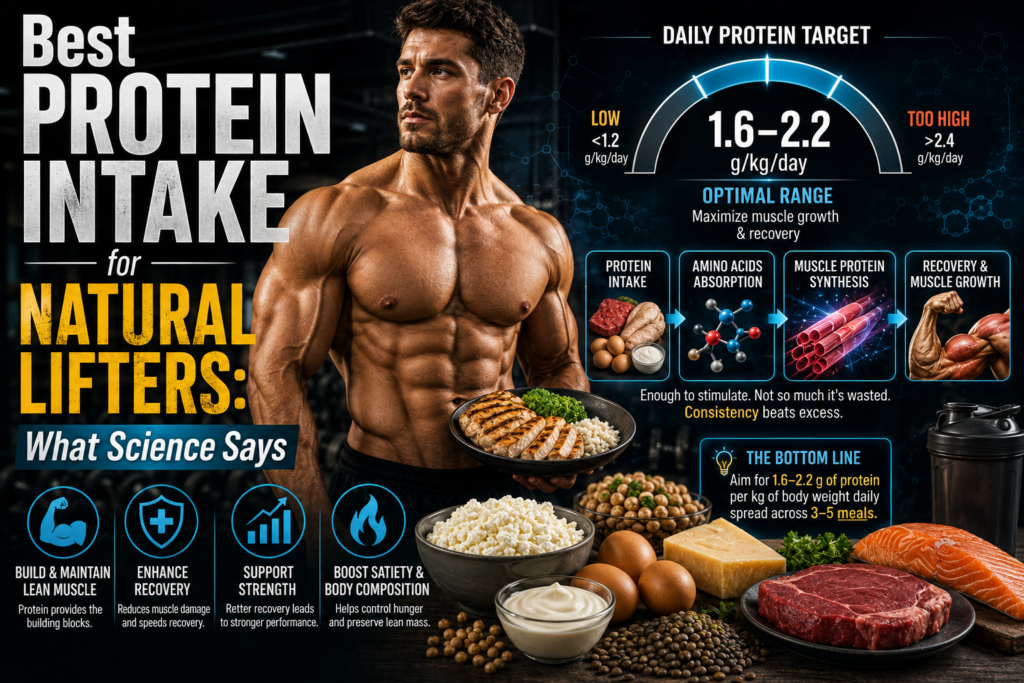
Most natural lifters eat either too much protein or too little. The confusion comes from conflicting advice across different sources. Science gives us clear numbers that work for drug-free muscle growth. Best Protein Intake for Natural Lifters: What Science Says removes the guesswork completely.
Why Best Protein Intake for Natural Lifters: What Science Says Matters More Than You Think
Your body processes protein differently when you train without performance-enhancing drugs. Enhanced lifters can build muscle on lower protein amounts. Their hormonal environment creates advantages natural lifters don’t have. You need a different approach entirely.
Research shows natural lifters require more protein per pound of bodyweight. The synthesis window stays shorter. Recovery takes longer. These differences matter when you plan your daily meals.
Many athletes copy protocols designed for enhanced competitors. This mistake costs them months of potential progress. Your genetic limit for muscle growth sits lower than theirs. You must maximize every advantage available to you.
Protein timing affects results differently for natural athletes too. The anabolic response peaks and drops faster. Missing your intake targets by even 20 grams daily adds up over weeks.
The Exact Numbers: Best Protein Intake for Natural Lifters According to Research
Studies on drug-free athletes point to 0.8 to 1 gram per pound of bodyweight. A 180-pound lifter needs 144 to 180 grams daily. This range supports muscle growth during caloric surplus or deficit.
Going below 0.7 grams per pound reduces muscle protein synthesis rates. Your body can’t repair training damage fast enough. Strength gains slow down noticeably within two weeks.
Eating above 1.2 grams per pound shows no additional benefit in most studies. Your body oxidizes the excess for energy instead. Some gets converted to glucose through a wasteful process.
Leaner individuals should calculate using their goal bodyweight instead. A 200-pound lifter at 25% body fat shouldn’t eat 200 grams. Using 170 pounds as the target makes more sense. Fat tissue doesn’t require protein for maintenance the way muscle does.
During a cutting phase, bump your intake toward the higher end. Aim for 1 gram per pound of target weight. This protects existing muscle when calories drop. The additional protein also increases satiety between meals.
How Best Protein Intake for Natural Lifters Changes with Training Volume
Higher training volumes demand more protein for recovery. Someone doing 20 sets per muscle group weekly needs more than someone doing 10. The damage accumulates faster with additional working sets.
Beginners can function well at the lower end of the range. Their weights stay lighter. Total volume stays manageable. A new lifter at 170 pounds does fine with 135 grams daily.
Advanced natural lifters training six days weekly should hit the upper targets. They push closer to their genetic limits. Recovery becomes the limiting factor for progress. Protein intake directly impacts how fast they bounce back.
Deload weeks let you reduce protein slightly without consequences. Your muscles aren’t experiencing the same breakdown. Dropping to 0.7 grams per pound for one week won’t hurt. This gives your digestive system a brief break too.
Athletes combining strength training with endurance work need adjustments upward. Running or cycling adds extra protein demands. A CrossFit athlete at 160 pounds might need 160 to 175 grams daily.
Best Protein Intake for Natural Lifters: Timing Your Meals for Maximum Growth
Spreading protein across four to five meals beats eating it all at once. Each meal should contain 25 to 40 grams. This keeps muscle protein synthesis elevated throughout the day.
The post-workout window matters but it’s not as narrow as once believed. Getting protein within three hours of training works well. Immediate shakes aren’t mandatory unless you train fasted.
Eating protein before bed supports overnight recovery. Casein digests slowly and provides amino acids during sleep. A serving of cottage cheese or a slow-release shake works perfectly. Your body repairs muscle tissue most actively during deep sleep phases.
Morning protein intake jumpstarts synthesis after the overnight fast. Skipping breakfast and waiting until noon leaves gains on the table. Even a quick high-quality protein source beats nothing at all.
Pre-workout protein matters more than most lifters realize. Consuming 20 to 30 grams an hour before training primes your system. Amino acids become available right when muscle damage begins. This creates better conditions for growth stimulus.
Protein Quality and Best Protein Intake for Natural Lifters: What Actually Counts
Not all protein sources deliver equal results for muscle building. Leucine content drives muscle protein synthesis more than total protein. Animal sources contain more leucine per serving than plant options.
Whey protein ranks highest for bioavailability and leucine concentration. Your body absorbs and uses it efficiently. One scoop typically provides 25 grams with excellent amino acid profiles. It digests quickly and reaches muscles fast.
Whole food sources like chicken, fish, and eggs remain superior for overall nutrition. They provide vitamins and minerals supplements lack. A 6-ounce chicken breast delivers 40 grams of complete protein. The satiety factor beats any powder.
Plant-based lifters need to eat more total protein to match animal sources. Combining different plant proteins throughout the day ensures complete amino acid coverage. Lentils with rice creates a complete profile missing from either alone.
Collagen protein doesn’t count toward your muscle-building totals. It lacks sufficient essential amino acids for synthesis. Save it for joint health but don’t include it in your daily calculations. Using a complete amino acid supplement fills gaps more effectively.
Common Mistakes When Following Best Protein Intake for Natural Lifters Guidelines
Many lifters count only their protein shakes and ignore food sources. They drink two shakes providing 50 grams then forget about lunch protein. Their actual intake falls 40 grams short of targets. Track everything that goes in your mouth.
Relying entirely on supplements instead of whole foods creates problems. Real food provides fiber, micronutrients, and better satiety. Shakes serve as convenient additions, not meal replacements. Three meals of actual food beats five protein shakes every time.
Ignoring protein on rest days costs you recovery. Your muscles repair themselves on off days, not during workouts. Dropping intake to 50 grams because you didn’t train makes zero sense. Maintain your targets every single day of the week.
Some lifters obsess over hitting exact numbers down to the gram. This creates unnecessary stress around eating. Being within 10 grams of your target works fine. Consistency over weeks matters more than perfection each day.
Drinking all your protein in one massive shake seems efficient but wastes potential. Your body can only process about 40 grams effectively in one sitting. The rest gets oxidized for energy instead of building muscle. Split it up.
How Best Protein Intake for Natural Lifters Supports Fat Loss While Preserving Muscle
High protein intake becomes even more important during calorie deficits. It preserves lean mass when your body needs energy. Studies show natural lifters lose significantly less muscle at 1 gram per pound. The difference shows up clearly after 12 weeks.
Protein has the highest thermic effect of all macronutrients. Your body burns 25 to 30 percent of protein calories just digesting it. A 200-calorie chicken breast only nets you about 140 usable calories. This creates a metabolic advantage during cuts.
The satiety factor helps you stick to lower calories without suffering. Protein keeps you full for hours after eating. Compare eating 400 calories of chicken versus 400 calories of rice. The chicken leaves you satisfied while the rice leaves you hungry.
Maintaining training intensity during fat loss requires adequate protein intake. Your muscles need amino acids to recover from heavy sessions. Without enough, your performance drops and you lose strength rapidly. Strength loss usually signals muscle loss soon follows.
Natural lifters cutting weight should never drop protein below 0.8 grams per pound. Many coaches recommend going up to 1.2 grams during aggressive cuts. The extra protein creates a buffer against muscle loss. Combined with targeted nutritional support, this preserves your hard-earned gains.
Adjusting Best Protein Intake for Natural Lifters as You Progress
Beginners gain muscle easily during their initial training phase due to newbie gains and rapid neuromuscular adaptations, so they don’t require maximum protein immediately. Starting at 0.7 grams per pound of bodyweight works well during the first six months of consistent resistance training. Research shows that beginners experience robust muscle protein synthesis rates and faster recovery compared to advanced lifters, allowing them to progress with slightly lower protein intake. However, establishing good nutritional habits early—including adequate protein consumption—sets the foundation for sustained progress as training experience increases and newbie gains inevitably plateau.
Intermediate lifters should move toward 0.8 to 0.9 grams per pound. Progress slows down after the first year of training. Every advantage starts mattering more. Protein intake becomes a lever you must pull correctly.
Advanced natural lifters approaching their genetic limits need the full 1 gram per pound. Their recovery capacity determines progress at this stage. Missing protein targets directly translates to missed growth opportunities. The margin for error shrinks considerably.
Older lifters above age 40 should consider slightly higher intakes too. Muscle protein synthesis becomes less efficient with age. Some research suggests 1.1 grams per pound helps offset this decline. The difference might add up to several pounds of muscle over years.
Female lifters follow the same guidelines as males. The calculations work identically regardless of gender. A 140-pound woman needs 112 to 140 grams daily. Don’t fall for outdated advice suggesting women need less protein.
Frequently Asked Questions
Can you build muscle as a natural lifter with only 0.6 grams of protein per pound?
You can build some muscle but you’ll leave gains on the table. Research consistently shows better results at higher intakes. The difference becomes obvious after six months of training. Bumping up to 0.8 grams costs little but returns much.
Does protein timing matter as much as total daily intake for natural lifters?
Total daily intake matters most for long-term results. Timing provides a smaller but still meaningful advantage. Spreading protein across meals beats loading it all at once. The post-workout window exists but spans several hours, not minutes.
Should natural lifters take protein supplements or just eat whole foods?
Whole foods should form the foundation of your protein intake. Supplements add convenience when whole foods aren’t practical. A shake after training or between meals helps hit targets easily. Neither approach alone beats combining both strategically.
How much protein do natural lifters need on rest days compared to training days?
Your protein needs stay the same on rest days and training days. Muscle repair happens during recovery, not during the workout itself. Dropping intake on off days sabotages your progress. Keep your targets consistent every day of the week.
Will eating more than 1 gram per pound speed up muscle growth for natural lifters?
Studies show no additional benefit above 1 gram per pound for most people. Your body can only build muscle at a limited rate naturally. Extra protein beyond this point gets used for energy instead. Save your money and digestive capacity.
Start tracking your protein intake today and aim for 0.8 to 1 gram per pound of bodyweight.