
Muscle Building Beginners Are Doing It Wrong
Your first year of training offers a unique window where you’ll gain muscle faster than ever again—but only if you follow the right approach. Discover why most beginners quit after six weeks and how to build muscle the smart way with proven fundamentals.
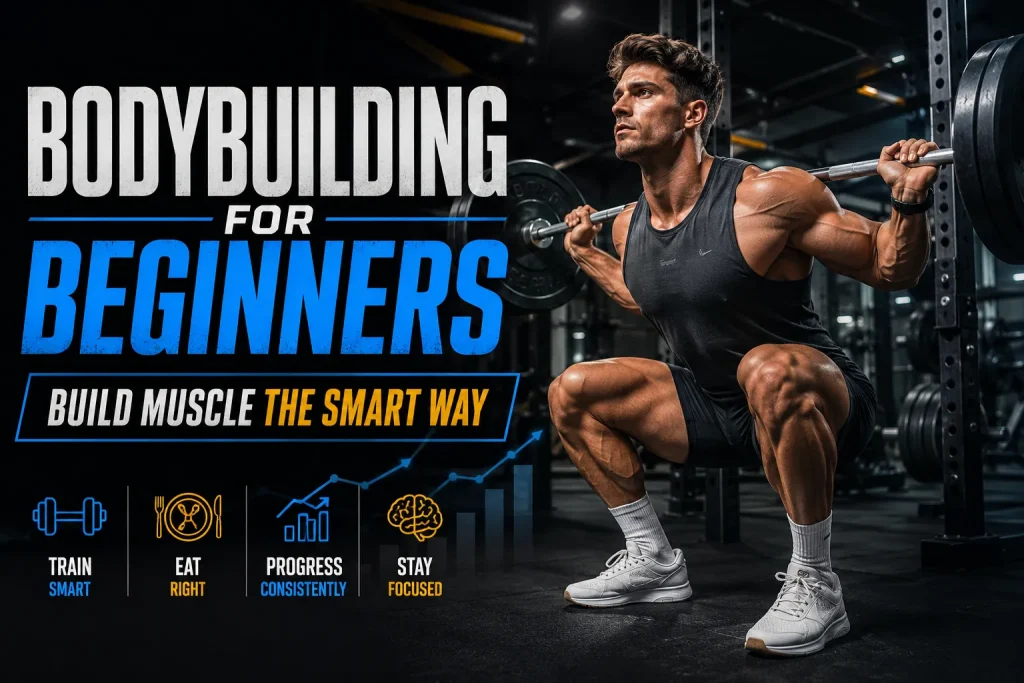
You step into a gym and every machine looks like a puzzle. The weights feel heavier than you expected. Most beginners quit in six weeks because they skip the basics. Bodybuilding for Beginners: Build Muscle the Smart Way starts with understanding that random workouts produce random results.
Why Bodybuilding for Beginners Demands a Different Approach
Your body responds differently in the first year than it will ever again. Newbies gain muscle faster than experienced lifters when they train correctly. This window lasts roughly twelve months before your progress naturally slows down.
The catch is simple. You can waste this advantage with poor planning.
Beginners often copy routines designed for advanced athletes. A professional bodybuilder might train chest twice weekly with twenty total sets. Your untrained muscles need far less volume to grow. Three sets per exercise, two exercises per muscle group, done twice weekly produces better results.
Recovery matters more than you think. Muscles grow during rest, not during the workout itself. Sleep seven to nine hours nightly or your gains stall regardless of effort.
The Three Movement Patterns Every New Lifter Must Master
Forget isolation exercises for now. Your first three months should focus on compound movements that work multiple muscles. These build coordination and strength simultaneously.
Pushing movements include bench press, overhead press, and pushups. These develop chest, shoulders, and triceps together. Start with pushups if barbell work feels unstable. Progress to weights once you complete twenty clean pushups.
Pulling movements balance your physique. Rows and pulldowns target your back and biceps. Many gyms have assisted pullup machines that support some of your weight. Use these until you can handle your full bodyweight.
Squatting and hinging movements build your lower body. Squats hit quads and glutes while deadlifts emphasize hamstrings and lower back. Both exercises also strengthen your core more effectively than crunches.
Master these six exercises before adding variety. Proper form prevents injuries that sideline you for months.
How Bodybuilding for Beginners Changes Your Eating Habits
You cannot build muscle in a calorie deficit. Your body needs surplus energy to create new tissue. Track your food intake for one week to establish your baseline.
Add three hundred to five hundred calories above maintenance. This range supports muscle growth without excessive fat gain. Eating two thousand calories more than you burn just makes you fat faster.
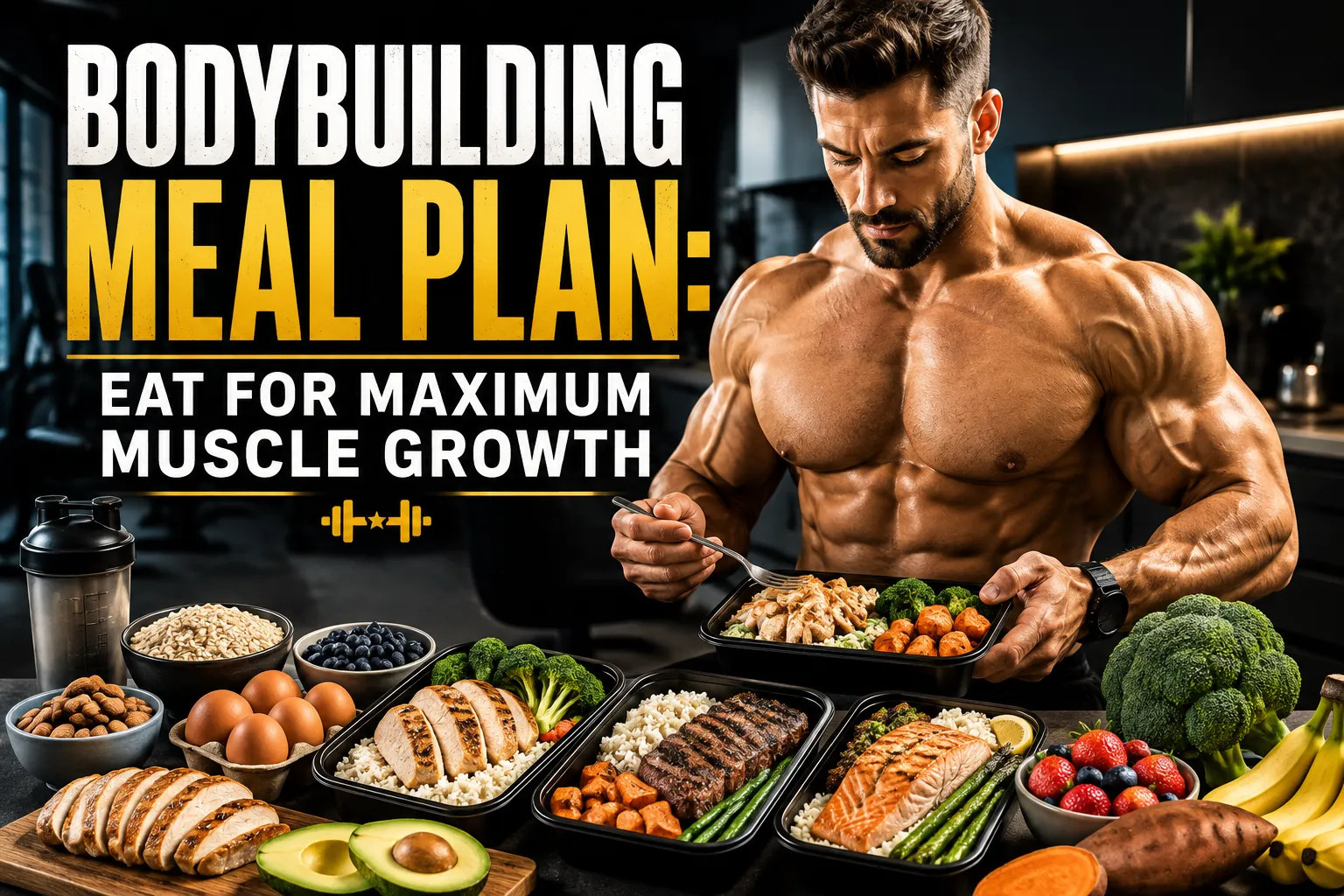
Protein intake should hit one gram per pound of bodyweight daily. A 150-pound beginner needs 150 grams of protein spread across four meals. One chicken breast contains roughly thirty grams. Two eggs provide twelve grams.
Carbohydrates fuel your workouts and replenish glycogen stores in muscles. Rice, potatoes, and oats digest easily and provide steady energy. Aim for two grams per pound of bodyweight on training days.
Fats support hormone production including testosterone. Olive oil, nuts, and fatty fish contribute healthy fats without excess calories. Twenty to thirty percent of total calories should come from fats.
Timing matters less than total intake. Eating protein within two hours post-workout helps slightly but hitting daily targets matters more. Consistency beats perfect timing every single time.
Building a Bodybuilding for Beginners Training Schedule That Works
Three full-body sessions weekly beat split routines for new lifters. Training each muscle three times per week maximizes your natural growth response. Monday, Wednesday, and Friday works well with weekends for recovery.
Each session should last forty-five to sixty minutes maximum. Longer workouts increase injury risk without improving results. You’re building habits, not testing endurance limits.
Warm up with five minutes of light cardio plus dynamic stretches. Cold muscles tear more easily under heavy loads. Arm circles, leg swings, and bodyweight squats prepare your joints.
Perform three sets of eight to twelve reps per exercise. This rep range balances strength and muscle growth perfectly for beginners. Rest ninety seconds between sets to catch your breath.
Progressive overload drives all muscle growth. Add five pounds to the bar when you complete all sets with good form. Small increases accumulate into major strength gains over months. Write down every workout to track your numbers accurately.
Supplements That Actually Help Bodybuilding for Beginners
Most supplement marketing targets your wallet, not your muscles. The industry sells hope in powder form at premium prices. Only a handful of products deliver measurable results.
Protein powder simplifies hitting daily protein targets. Whey digests quickly and mixes easily with water or milk. One scoop typically provides twenty-five grams of protein. It’s convenient, not magical.
Creatine monohydrate stands as the most researched muscle-building supplement available. Five grams daily increases strength and muscle size in most users. Your muscles hold more water, which supports better performance during sets.
A quality multivitamin fills nutritional gaps in your diet. Hard training increases your need for certain vitamins and minerals. Deficiencies slow recovery and limit progress you’d otherwise make. Products like Bulk Extreme combine multiple muscle-supporting ingredients in one formula.
Caffeine improves focus and power output before workouts. One cup of coffee thirty minutes pre-training enhances performance noticeably. Pills work too if you dislike the taste of coffee.
Skip testosterone boosters and pre-workouts with proprietary blends. These rarely contain effective doses of proven ingredients. Save your money for actual food instead.
Common Mistakes That Derail Bodybuilding for Beginners Progress
Training to failure on every set exhausts your nervous system unnecessarily. Stop each set when you have one rep left in reserve. This approach builds strength without crushing your recovery capacity.
Changing programs every two weeks prevents progress tracking. Stick with one routine for at least eight weeks. You need time to adapt and improve before switching approaches.
Ignoring pain leads to serious injuries that require months of rehabilitation. Muscle soreness feels different than joint pain. Sharp or shooting sensations mean stop immediately and assess the problem.
Comparing yourself to social media physiques creates unrealistic expectations. Most fitness influencers have trained for years, not months. Some use performance-enhancing drugs they won’t mention publicly. Focus on beating your own previous lifts instead.
Skipping leg days creates an unbalanced physique that looks awkward. Your legs contain the largest muscle groups in your body. Training them releases hormones that help your entire body grow.
Neglecting proper supplementation can slow your results when diet alone falls short. However, avoid chasing every new product—focus instead on proven basics like whey protein powder, creatine monohydrate, and a quality multivitamin that address real nutritional gaps. Whole foods should form your foundation; supplements are additions, not replacements for consistent eating habits and training discipline.
Tracking Progress Beyond the Mirror
Scale weight fluctuates daily based on water retention and digestion. Weigh yourself once weekly under identical conditions. First thing Monday morning after using the bathroom provides consistency.
Take progress photos every four weeks in the same lighting and pose. Visual changes appear slowly when you see yourself daily. Side-by-side comparisons reveal improvements your eyes miss otherwise.
Measure key body parts monthly with a fabric tape measure. Biceps, chest, waist, and thighs tell the real story. Growing arms and shrinking waist indicate successful muscle gain.
Keep a detailed training log with weights, sets, and reps. This record shows exactly where you’ve improved and identifies stalled lifts. Beating last month’s numbers provides concrete motivation.
Notice performance improvements in daily activities. Carrying groceries feels easier. Stairs no longer wind you. These real-world changes matter more than gym numbers to most people.
Adjusting Your Plan as You Grow Stronger
Your beginner phase ends when adding weight becomes difficult every session. This typically happens after six to twelve months of consistent training. Linear progress gives way to more complex programming needs.
Move from full-body workouts to upper-lower splits. Train upper body Monday and Thursday, lower body Tuesday and Friday. This increases volume per muscle group while maintaining adequate recovery.
Add one isolation exercise per muscle group you want to emphasize. Bicep curls and tricep extensions complement your compound movements. Calf raises and lateral raises target commonly underdeveloped areas.
Implement deload weeks every four to six weeks. Reduce weight by thirty percent while keeping the same exercises and sets. This prevents overtraining and allows full recovery before pushing hard again.
Consider working with an experienced coach when progress stalls completely. Professional guidance identifies form issues and programming mistakes you can’t see yourself. Quality supplements combined with expert programming accelerate results beyond what either provides alone.
The Mental Side of Bodybuilding for Beginners
Discipline beats motivation because motivation fades after two weeks. Build training into your schedule like work or school. Non-negotiable appointments with yourself produce long-term adherence.
Celebrate small victories to maintain momentum through plateaus. Adding ten pounds to your squat deserves recognition. Completing a month without missing workouts shows commitment worth acknowledging.
Find a training partner with similar goals and schedule availability. Accountability keeps you consistent when willpower runs low. Friendly competition pushes both people to work harder.
Accept that progress isn’t linear. Some weeks you’ll feel strong and add weight easily. Other weeks you’ll struggle with loads you lifted previously. Both scenarios are completely normal.
Remember why you started when challenges arise. Write down your specific goals and review them monthly. Clear purpose sustains effort when results slow down temporarily.
Frequently Asked Questions
How long does it take to see visible muscle growth?
Most beginners notice changes in four to six weeks with consistent training. Others see differences in photos around week eight. Strength increases appear faster than visible size changes.
Can I build muscle while losing fat as a beginner?
Yes, beginners can often achieve both simultaneously during the first year. Eat at maintenance calories with high protein intake. This works best for people carrying excess body fat initially.
How much weight should I lift as a complete beginner?
Start with weights that allow eight clean reps with moderate difficulty. The last two reps should feel challenging but not impossible. Add weight only when you complete twelve reps easily.
Do I need to train every day to build muscle?
No, three to four training days weekly produces excellent results for beginners. Rest days allow muscles to repair and grow stronger. More training doesn’t always mean better progress.
What’s the best age to start bodybuilding?
Any age works with proper form and appropriate weights. Teenagers should avoid maximal lifts until fully grown. Older adults benefit greatly but need longer warmups and recovery periods.
Start your first training session this week with one pushing, one pulling, and one leg exercise.