
The Lean Muscle Diet Most Bodybuilders Get Wrong
Most bodybuilding diets fail for natural lifters because they copy plans designed for enhanced athletes who recover faster in calorie deficits. Natural bodybuilders need precise macro timing and quality food sources to maximize the limited daily window for muscle growth.
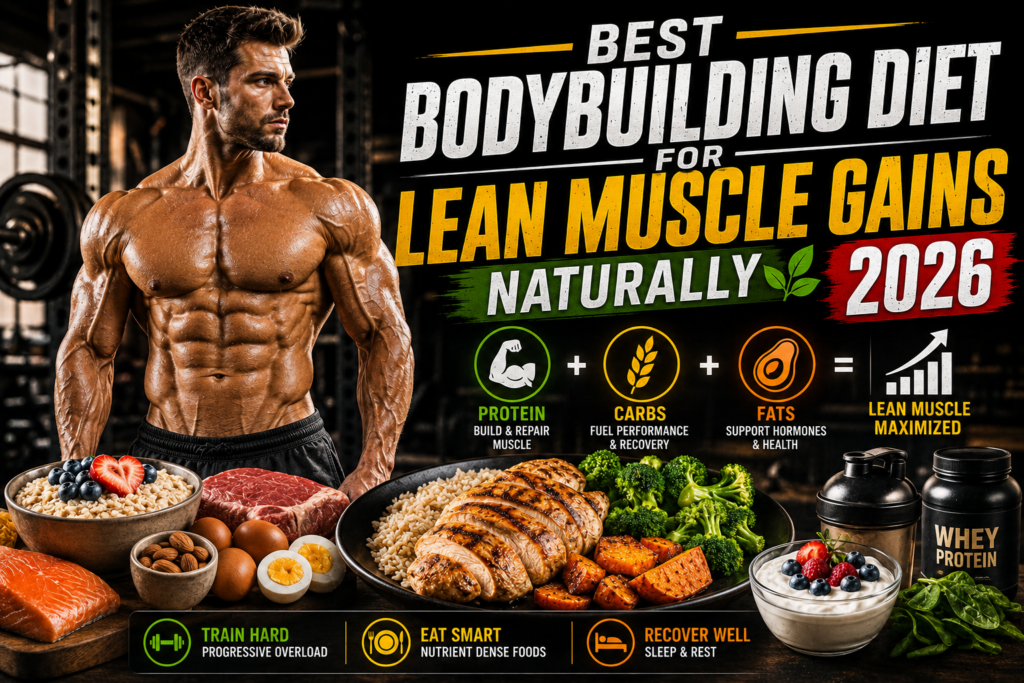
You eat clean all week and still look flat in the mirror. Your training is solid but muscle growth stalls after the first few months. The Best Bodybuilding Diet for Lean Muscle Gains Naturally 2026 focuses on nutrient timing and food quality, not just calories.
Why Most Bodybuilding Diets Fail for Natural Lifters
Many bodybuilders copy meal plans from steroid users. Those plans don’t work for natural athletes. Enhanced lifters recover faster and build muscle in a calorie deficit. You can’t do that without drugs.
Natural bodybuilders need more precision with macros and meal timing. Your body has a limited window to build muscle each day. Miss that window and you waste your training session.
Generic diets also ignore food quality. Two thousand calories from pizza affect your body differently than chicken and rice. Your insulin response changes. Your energy levels drop. Fat storage increases even when total calories match.
Protein Timing Matters More Than Total Protein
Research shows that eating 40 grams of protein six times daily beats three large meals. Your muscles can only process about 0.4 grams per kilogram of body weight per meal. Extra protein in one sitting gets oxidized for energy.
Spread your protein across breakfast, mid-morning, lunch, pre-workout, post-workout, and before bed. Each meal should contain complete proteins with all nine essential amino acids. Eggs, chicken, fish, beef, and whey protein isolate work best.
The pre-sleep meal deserves special attention. Casein protein digests slowly over seven to eight hours. This prevents muscle breakdown during your overnight fast. Greek yogurt or cottage cheese serve as whole food alternatives.
Carbohydrate Cycling for the Best Bodybuilding Diet for Lean Muscle Gains Naturally 2026
You don’t need the same carbs every day. Training days require more to fuel workouts and refill glycogen. Rest days need fewer carbs since you’re not depleting stores.
Aim for 3 grams of carbs per kilogram on heavy training days. Drop to 1.5 grams on rest days. This approach keeps you lean while supporting performance. Your body learns to burn fat on low days and build muscle on high days.
Timing matters as much as quantity. Place 60 percent of your daily carbs around your workout. Eat fast-digesting carbs like white rice or potatoes within two hours post-training. This is when muscle cells are most receptive to nutrient uptake and glycogen restoration occurs fastest.
Sweet potatoes, jasmine rice, cream of rice, and sourdough bread work well. Avoid whole grains immediately post-workout because fiber slows digestion. Save vegetables and oats for meals further from training.
Fat Intake Strategy in the Best Bodybuilding Diet for Lean Muscle Gains Naturally 2026
Many bodybuilders fear dietary fat. This is backwards thinking. Fat supports testosterone production and vitamin absorption. Natural lifters need both for muscle growth.
Keep fat at 0.8 to 1 gram per kilogram of body weight daily. Focus on sources like egg yolks, salmon, avocado, olive oil, and raw nuts. Avoid trans fats and excessive omega-6 oils from processed foods.
Never eat high fat and high carb together outside post-workout meals. This combination promotes fat storage. Keep fats low in meals with 40-plus grams of carbs. Save your fat intake for breakfast and evening meals away from training.
Micronutrients That Actually Impact Muscle Growth
Most articles ignore micronutrients. Big mistake. Zinc, magnesium, and vitamin D directly affect testosterone levels. Iron carries oxygen to working muscles during sets.
Eat organ meats once weekly for bioavailable nutrients. Beef liver contains more vitamins per calorie than any other food. One serving provides vitamin A, B12, copper, and folate in amounts vegetables can’t match.
Dark leafy greens support estrogen metabolism. Broccoli, kale, and Brussels sprouts contain compounds that help your body eliminate excess estrogen. This keeps your testosterone-to-estrogen ratio favorable for muscle building.
Berries fight inflammation from heavy training. Blueberries and tart cherries reduce muscle soreness and speed recovery. Add one cup daily during intense training phases.
Meal Frequency and Fasting Windows
Intermittent fasting gained popularity for fat loss. It works poorly for natural muscle building. Long fasting windows increase cortisol and reduce protein synthesis.
Eat your first meal within 60 minutes of waking. This stops overnight muscle breakdown and kicks off protein synthesis. Your body is primed for nutrients after sleeping.
Space meals three hours apart. This maintains stable blood sugar and keeps amino acids available for muscle repair. Going longer between meals forces your body to break down muscle tissue for energy.
The exception is your overnight fast. You can’t eat while sleeping. This makes the pre-bed protein meal critical for maintaining an anabolic state.
One Thing Many Bodybuilders Neglect: You Need to Monitor Their Fibre Intact
Hydration Protocol for the Best Bodybuilding Diet for Lean Muscle Gains Naturally 2026
Water affects strength more than most realize. Just 2 percent dehydration reduces strength output by 10 percent. Your muscles are 75 percent water, making hydration critical for muscle contraction, nutrient transport, and metabolic function. Dehydration shrinks muscle cells, impairs protein synthesis, reduces blood volume for oxygen delivery, and decreases exercise performance and recovery capacity.
Drink 40 milliliters per kilogram of body weight daily. An 80-kilogram lifter needs 3.2 liters minimum. Add 500 milliliters for each hour of training.
Monitor urine color throughout the day. Pale yellow indicates proper hydration. Dark yellow or amber means you’re behind. Clear urine suggests overhydration and electrolyte dilution.
Add a pinch of sea salt to your water bottles. Sodium helps cells absorb water and maintains blood volume during training. This improves nutrient delivery to muscles.
Supplement Additions to Maximize Natural Results
Whole foods come first. Supplements fill gaps, not replace meals. Only add supplements after your diet and training are consistent for three months.
Once those fundamentals are established, Natural Muscle Building Supplements: What Actually Helps? provides a broader look at which supplements have a reasonable role in supporting natural lifters and which claims deserve more skepticism.
Creatine monohydrate tops the list for natural lifters. Five grams daily increases strength and muscle volume. Your body produces creatine naturally but not in amounts that maximize performance.
Whey protein isolate simplifies hitting protein targets. One scoop post-workout delivers 25 grams of fast-absorbing protein. Mix with carbs for better insulin response and nutrient uptake.
Vitamin D3 deserves attention if you live above 35 degrees latitude. Most indoor lifters are deficient. Take 4,000 IU daily during winter months. This supports testosterone and reduces injury risk.
Products like Bulk Extreme combine multiple ingredients designed for natural muscle building. They include adaptogens and minerals that support hormone production without synthetic compounds.
Pre-Workout Nutrition for Maximum Performance
What you eat two hours before training determines workout quality. Get this wrong and you’ll feel sluggish or nauseous. Get it right and strength jumps noticeably.
Aim for 40 grams of protein and 60 grams of carbs two hours out. Chicken breast with white rice works perfectly. The protein provides amino acids during training. Carbs top off glycogen stores.
Avoid fats and fiber in this meal. Both slow digestion and divert blood from muscles to your gut. You want nutrients absorbed and ready when you hit the gym.
Caffeine 30 minutes pre-workout improves focus and strength output. Start with 200 milligrams if you’re not a regular coffee drinker. Experienced users can go up to 400 milligrams safely.
Post-Workout Window in the Best Bodybuilding Diet for Lean Muscle Gains Naturally 2026
The anabolic window isn’t as narrow as old bodybuilding magazines claimed. But it still exists. Eating within two hours post-training clearly beats waiting four hours.
Your post-workout meal should be your largest carb intake of the day. Aim for 1 gram per kilogram of body weight. Add 40 grams of fast-digesting protein like whey isolate.
This combination spikes insulin and shuttles nutrients into muscle cells. Glycogen replenishment happens three times faster in this window. Protein synthesis rates double compared to meals eaten four hours later.
Simple whole foods work better than complicated shakes. White rice, chicken, and a banana covers your needs perfectly. Save your money on expensive formulas.
Adjusting Calories for Continued Progress
Your calorie needs change as you build muscle. A maintenance plan from three months ago now creates a deficit. This stalls progress and frustrates natural lifters.
Recalculate your needs every four weeks during a gaining phase. Add 100 to 200 calories when weight stalls for two consecutive weeks. This small increase prevents excess fat gain.
Track your weight three times weekly under identical conditions. Same time, same hydration status, after bathroom, before eating. Average the three readings for accuracy.
Natural lifters should gain 0.5 to 1 percent of body weight monthly. Faster gains mean you’re adding fat. Slower progress suggests calories are too low. Stay patient and trust the process.
Food Quality and Digestion
Nutrient absorption matters as much as nutrient intake. Poor digestion wastes the perfect macro split. Your intestines determine how much protein actually reaches your muscles.
Choose easily digested protein sources during growth phases. Eggs, white fish, and lean poultry cause less bloating than red meat and whey. Save beef for once or twice weekly.
Chew each bite 20 times before swallowing. Digestion starts in your mouth through enzyme release. Rushing meals reduces nutrient absorption by up to 30 percent.
Consider digestive enzymes if you eat six meals daily. Protease helps break down protein. Amylase handles carbohydrates. Both reduce bloating and improve nutrient uptake from whole foods and specialized supplements alike.
Sleep and Recovery Nutrition
Your diet works only if recovery supports it. Sleep deprivation cuts protein synthesis by 20 percent. It also increases cortisol and reduces testosterone.
Eat magnesium-rich foods at dinner to improve sleep quality. Spinach, pumpkin seeds, and dark chocolate contain high amounts. Magnesium relaxes muscles and supports deep sleep cycles.
Avoid large meals within 90 minutes of bed. Full digestion diverts resources from recovery to your gut. Your sleep quality drops and morning hunger disappears.
The exception is your casein protein or cottage cheese. This small meal prevents muscle breakdown without disrupting sleep. Keep it under 250 calories total.
Frequently Asked Questions
How much protein do natural bodybuilders really need daily?
Natural lifters need 1.6 to 2.2 grams per kilogram of body weight. This range supports muscle growth without wasting money on excess protein. Spread intake across six meals for best results.
Can you build muscle and lose fat simultaneously on this diet?
Beginners and detrained lifters can achieve both for three to six months. Advanced natural lifters must choose either muscle gain or fat loss. Your body can’t do both efficiently after the novice phase ends.
What foods should you avoid on the Best Bodybuilding Diet for Lean Muscle Gains Naturally 2026?
Avoid processed meats, fried foods, alcohol, and high-sugar snacks. These create inflammation and disrupt hormone production. They also provide empty calories that interfere with your macro targets.
How long until you see results from this eating approach?
Strength increases appear within two weeks of proper nutrition. Visible muscle growth takes four to six weeks. Fat loss happens faster, showing changes in two to three weeks.
Should you take rest days from strict meal planning?
One flexible meal weekly prevents burnout and helps social situations. Keep it reasonable and track approximate macros. Going completely off plan slows progress and creates bad habits.
Start tracking your meals today and adjust portions to match your training schedule for consistent gains.