
The Bicep Exercise Scientists Stopped Recommending
EMG research proves exactly which bicep exercises force your muscles to work hardest, with concentration curls eliciting the highest activation at 97.9%. Learn which science-backed movements deliver peak hypertrophy results instead of wasting time with ineffective exercises.

You walk into the gym and see someone swinging weights with terrible form, completely missing out on the best EMG-tested bicep lifts for peak hypertrophy. EMG research proves exactly which exercises actually force your biceps to work hardest, with the concentration curl coming out on top and eliciting significantly higher muscle activation than most other movements you’ve probably been relying on.
Why EMG Data Reveals the Best EMG-Tested Bicep Lifts for Peak Hypertrophy
EMG stands for electromyography. Researchers affixed electrodes on the biceps brachii to measure total muscle activity during different exercises. This isn’t guesswork from a forum post. The muscle either fires or it doesn’t.
Concentration curls elicited the highest EMG activation of the biceps brachii at 97.9% in the ACE study. That’s actual electrical signal your muscle produces under load. Compare that to regular curls and you see why some people spin their wheels for years.
The ACE researchers tested eight exercises on sixteen subjects. Subjects used 70 percent of their 1-RM as resistance to keep things fair. Every movement got measured against a maximum voluntary contraction. The concentration curl beat everything else by a significant margin.
Other muscles steal work from your biceps during most curls. When training the biceps, muscles including the anterior deltoid and brachioradialis can become involved in the movement. That reduces how hard your biceps actually work. The concentration curl position stops that theft.
Traditional Bicep Curls and How They Stack Up Against the Best EMG-Tested Bicep Lifts for Peak Hypertrophy
EMG activation of biceps brachii was highest during the traditional bicep curl when compared to hammer curls and reverse curls. This still matters. You can load more weight on a barbell than on single-arm movements.
Advancing from a 25 lb dumbbell to 30 lbs is a big 20% leap, but going from 100 lb barbell curl to 105 lbs is only a 5% advance. Smaller jumps mean steadier progress. That’s one reason barbell curls still belong in your routine despite lower EMG scores.
Traditional curls let you use both arms. You finish more total volume in less time. Your nervous system also handles bilateral movements differently than unilateral ones. Both approaches drive growth through separate pathways.
The dumbbell biceps curl elicited significantly greater muscle activation compared to machine-based curl variations. Not every trendy variation works better than simple dumbbells. Cable curls and lever machines add complexity and reduce the range of motion without proportionally increasing biceps brachii activation. Free-weight dumbbells force your stabilizer muscles to engage throughout the movement, including the brachialis and core muscles that maintain posture. This stabilization demand actually enhances overall muscle recruitment patterns more effectively than fixed-path machine movements.
Spider Curls and Preacher Curls in the Best EMG-Tested Bicep Lifts for Peak Hypertrophy
Spider curls offer better isolation, eliminate momentum, and create a stronger peak contraction than preacher curls. The body position matters more than most people think. Gravity pulls hardest when your forearm nears parallel to the floor.
The free-weight preacher curl would lose EMG tests because by starting each rep 45 degrees forward, these curls get hard fast. Then the resistance drops off at the top. You’re weakest where the exercise becomes easiest.
Preacher curls place the upper arm on an angled pad, emphasizing the stretched position, while spider curls shift more challenge toward the middle and upper portions of the range. Different resistance profiles hit muscle fibers differently. Both have value.
Spider curls or concentration curls are perfect for building that peak contraction. Peak contraction means maximal squeeze at the top of the movement. That’s where you teach your brain to recruit more motor units.
Targeting the Long Head and Short Head for the Best EMG-Tested Bicep Lifts for Peak Hypertrophy
Your biceps have two heads. The long head plays a crucial role in achieving a taller, more defined biceps peak. Exercises that stretch the long head hit it harder.
The dumbbell incline curl puts you in a posterior shoulder position, allowing for a fuller range of motion and more emphasis on the long head. Sit on a 45-degree bench. Let your arms hang behind your torso. That stretch loads the long head.
The dumbbell preacher curl is one of the most effective ways to isolate the short head because it locks the elbow in front of the body. The pad stops you from cheating. Your biceps do all the work without help from momentum.
Positioning your arms in front of your torso somewhat shortens the biceps long head, which may reduce its role, so the short head may need to compensate. Arm position shifts which head bears more load. Use both positions across the week.
Training Frequency and Volume for the Best EMG-Tested Bicep Lifts for Peak Hypertrophy
If you are training biceps 2 to 3 times a week, 3 to 6 sets per session totaling 10 to 15 high-quality sets per week is a proven sweet spot for most lifters. More isn’t always better. Your tendons need recovery time too.
The average gym-goer tops out at 4 to 6 weekly sets per bicep, but meta-analysis shows hypertrophy rises once you hit at least 10 high-quality sets per week. That’s the floor for real growth. Beginners can start there and add sets over time.
Most research shows protein synthesis peaks anywhere in the 5 to 24 hour period after a training session and continues at least for the next day. Your muscles start growing within hours. Training again too soon interrupts repair.
By training them again on Thursday, you re-trigger that growth signal, but frequency is inextricably linked to volume. You can’t do 20 sets four times weekly. You’ll exceed recovery capacity and risk connective tissue damage.
Chin-Ups as an Underrated Choice in the Best EMG-Tested Bicep Lifts for Peak Hypertrophy
Because it ranked so high in study 3 and nearly tied the cable curl in study 1, the chin-up is a good but under-used biceps exercise. Most people treat chin-ups as a back movement. They’re wrong.
If you can do at least 8 full reps with your bodyweight, work it into your routine, and if you can do more than 12 reps, add resistance. Weighted chin-ups build serious mass. Add a belt and chain once bodyweight becomes easy.
The ACE study recorded roughly 80% peak activation for chin-ups placing them just below concentration curls. That’s still higher than most isolation movements. You also train your back at the same time.
Chin-ups force you to control your entire body through space. That neurological demand builds coordination. Do these after a curl exercise to pre-exhaust your biceps. The fatigue makes bodyweight feel heavier.
Common Training Errors That Sabotage the Best EMG-Tested Bicep Lifts for Peak Hypertrophy
The most common mistake is treating every curl as the same, because each variation places tension on different parts of the biceps. Ignoring this leads to weak spots. Your arms look unbalanced from certain angles.
Many lifters rush the eccentric lowering phase, missing half the growth stimulus. The negative portion causes just as much muscle damage as the lift. Lower the weight over three to four seconds minimum.
Using an internal focus consciously squeezing the biceps during curls produced significantly more muscle growth than an external focus when volume was identical. Think about the muscle contracting. Don’t just move the weight from point A to point B.
The 20% to 30% load increase for the negative versus the normal concentration curl improves its already superior muscle activation by a whopping 40%. Use a partner to hand you more weight at the top. Lower it slowly on your own. This works on any curl variation.
Frequently Asked Questions
Which bicep exercise produces the highest EMG activation?
Concentration curls produce the highest EMG activation at nearly 98% according to ACE research. They isolate the biceps better than any other tested movement.
How many times per week should you train biceps for hypertrophy?
Train biceps two to three times weekly with 10 to 15 total sets. This frequency triggers growth signals while allowing tendons to recover between sessions.
Do incline curls target the long head better than other exercises?
Yes, incline curls place your shoulder in a stretched position behind your torso. This loads the long head more than standing or preacher variations do.
Are barbell curls still effective despite lower EMG scores?
Barbell curls remain effective because they allow heavier loads and smaller percentage jumps. Progressive overload matters as much as activation for long-term growth.
Should you use slow negatives on concentration curls?
Slow negatives increase muscle activation by up to 40% on concentration curls. Lower the weight over three to five seconds for maximum damage and growth.
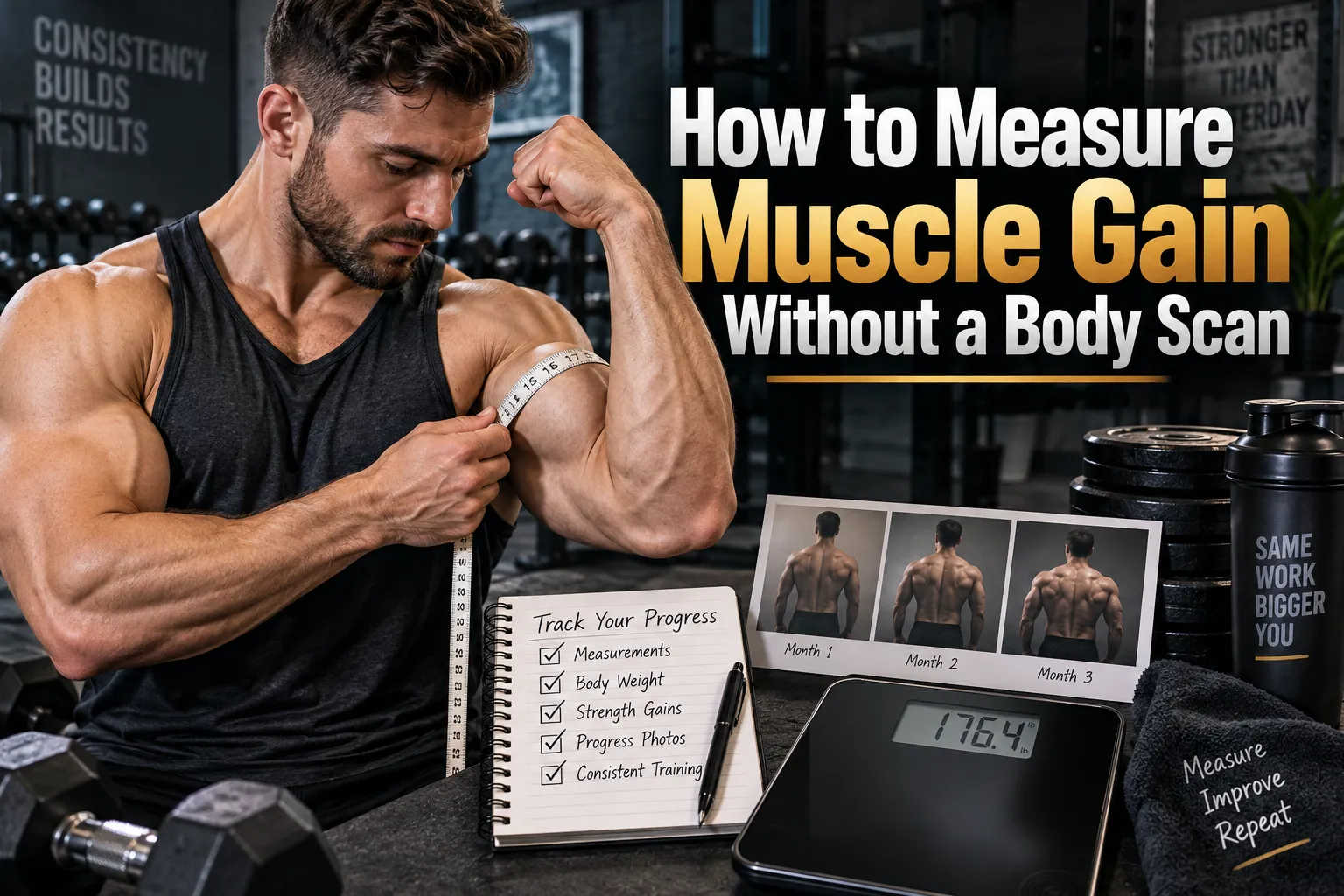
Start with concentration curls for three sets after your next back workout and track your arm measurements weekly.