
Why Strength Training After 40 Doesn't Work Without This
Women’s hormones shift dramatically across decades, requiring strength training programs tailored to each life stage rather than generic approaches. Starting strength training early builds bone density that protects your health for decades, while adjusting volume and recovery needs keeps results flowing through your 20s, 30s, and beyond.
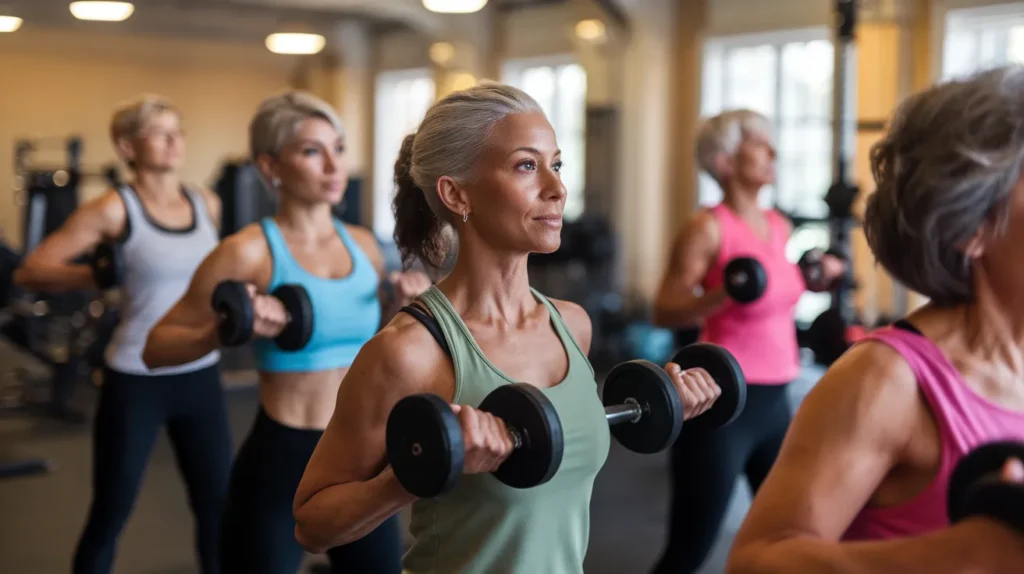
Women's Life-stage Strength Training
Women’s life-stage strength training matters because your hormones change every decade, meaning your muscles don’t respond the same way at 25 and 55. Matching your lifting program to your hormonal reality—rather than using a one-size-fits-all approach—delivers the results you can actually feel.
How Women’s Life-Stage Strength Training Changes During the Reproductive Years
Growth plates close between ages 12 and 16 for girls. Before that point, young females can safely lift weights without growth problems. Research reviews find no evidence that proper resistance training damages growth plates. Teens who strength train show higher bone density than inactive peers. This builds a foundation that pays off for decades.
Women in their 20s and 30s can handle higher training volume. Recovery happens faster. Hormones support muscle building without extra effort. This window is your chance to build maximum strength before hormones shift.
Research shows strength training reduces pregnancy pains and speeds postpartum recovery. Pregnancy negatively impacts bone density, but strength training improves it. Many women skip lifting during pregnancy out of fear. The science says the opposite. Exercise in pregnancy carries minimal risks and benefits most women.
Postpartum strength training focused on core work helps avoid lower back pain. Your body shifted to carry a baby. Strength work realigns your spine and posture. Start with bodyweight movements before adding load. Women’s life-stage strength training during motherhood rebuilds what pregnancy changed.
Why Women’s Life-Stage Strength Training Becomes Critical During Perimenopause
Muscle mass can decline 3 to 8 percent per decade after age 30. This loss speeds up as estrogen levels decrease. Estrogen helps regenerate muscle stem cells that maintain your muscles. When estrogen drops, your body loses this repair mechanism.
Declining estrogen makes the body less efficient at processing glucose. This raises insulin resistance risk. Lean muscle plays a critical role in improving insulin sensitivity. Lifting weights becomes a metabolic tool, not just a strength tool.
Hormonal changes increase stress sensitivity and raise cortisol levels during perimenopause, making your nervous system more reactive to training stimulus. Too much high-intensity interval training (HIIT) or heavy compound lifts in rapid succession leaves you exhausted instead of energized and can trigger cortisol spikes that interfere with sleep and recovery. Strength training doesn’t need to be intense to work for this stage—moderate-intensity resistance training with adequate rest periods between sets proves equally effective for maintaining strength and bone density. Small, regular sessions spaced across the week that you can sustain matter more than crushing workouts. This approach aligns with the concept of autoregulation, where you adjust intensity based on how you feel rather than forcing a predetermined program.
Women of All Ages can Benefit from the Latest Cutting Edge Solutions for
Continued progress at any Age
Women’s life-stage strength training in your 40s focuses on consistency over intensity. Two to three sessions weekly beats sporadic heavy sessions. Your recovery is slower. Your hormones are unpredictable. Adjust your training to match this reality.
Women’s Life-Stage Strength Training to Protect Bones After Menopause
One in 10 women over 60 gets diagnosed with osteoporosis. Postmenopausal women experience accelerated bone loss as estrogen declines. Bone mass declines about 1 percent per year after age 40. This isn’t optional or reversible without action. Strength training is that action.
A 2017 study found high-intensity resistance training twice weekly improved bone strength in women over 65. High-intensity means lifting heavier weights, not doing endless reps. Postmenopausal women with osteoporosis achieve better lumbar spine bone density with high-intensity training. Light weights don’t create enough stress to trigger bone growth.
Moderate to vigorous resistance training combined with medication increases bone mineral density safely. The combination works better than either alone. Resistance training significantly increases bone mineral density in the lumbar spine and hip regions.
Your bones respond to load. Walking doesn’t provide enough force. Running or jumping creates ground reaction forces of 3 to 8 times your bodyweight. Weighted squats, deadlifts, and presses create similar forces in controlled ways. Women’s life-stage strength training after 50 must include genuine load to protect your skeleton.
How Women’s Life-Stage Strength Training Fights Muscle Loss After 60
Sarcopenia typically begins around age 30, with the body losing 3 to 5 percent of muscle mass per decade. Changes become more noticeable by age 60 and can interfere with daily activities. Strength training is the only activity proven to slow sarcopenia progression.
When you lose muscle, the body replaces it with fat. This isn’t just about appearance. Increased body fat raises obesity and metabolic disease risks. Heart attack, stroke, and certain cancers become more likely. Muscle keeps your metabolism functioning.
Hormonal changes after menopause and lower estrogen accelerate muscle loss. The result is less strength, slower metabolism, poorer balance, and higher fall risk. More than 50 percent of older adults who fracture a hip can no longer live independently. Strength prevents this cascade.
Research shows strength training and proper nutrition can slow, stop, and reverse sarcopenia. You’re not too old. Muscle can be rebuilt at any age. Women’s life-stage strength training after 60 prioritizes movement quality and steady progress. Focus on compound lifts that use multiple muscle groups.
Practical Application of Women’s Life-Stage Strength Training Across Decades
Track where you are hormonally, not just chronologically. A 48-year-old in perimenopause needs different programming than a 48-year-old with regular cycles. Your symptoms guide your training choices.
Start each decade with a strength assessment. Test your squat depth, pushup capacity, and grip strength. These baselines show what’s changing. Retest every six months. Women’s life-stage strength training adapts as your body adapts.
Progressive overload still matters at every age. Add weight, reps, or sets gradually. The rate of progression slows with age. A 25-year-old might add weight weekly. A 65-year-old might progress monthly. Both build strength at their appropriate pace.
Recovery needs shift dramatically. Sleep quality drops during perimenopause. Inflammation rises after menopause. Schedule rest days between sessions. Two tough workouts back-to-back hurt more than help after 45.
Hire a coach who understands hormonal changes. Many trainers program the same way for all women. This wastes your effort. Find someone who asks about your cycle, sleep, and energy patterns. Women’s life-stage strength training requires individualized programming.
Frequently Asked Questions
Should teenage girls avoid heavy weights to prevent growth problems?
No. Research shows properly supervised strength training does not damage growth plates. Teens who lift weights actually develop higher bone density than inactive peers. Focus on learning correct form before adding heavy loads.
Can pregnant women safely do strength training without harming the baby?
Yes. Strength training during pregnancy reduces common pains and supports easier labor. It also speeds postpartum recovery. Avoid exercises that require lying flat on your back after the first trimester.
Does strength training during menopause actually slow muscle loss from hormone changes?
Yes. Declining estrogen accelerates muscle loss by up to 8 percent per decade. Resistance training is the only proven method to slow this process. Two to three weekly sessions maintain muscle mass effectively.
How heavy should women over 60 lift to improve bone density?
Studies show high-intensity resistance training works better than light weights for bone health. This means lifting challenging loads, not endless reps with light dumbbells. Work with a trainer to progress safely to heavier weights.
What happens if women skip strength training during perimenopause and start after menopause?
Starting late is harder but still effective. You’ll spend time rebuilding lost muscle before making new gains. Earlier is better, but research confirms muscle can rebuild at any age with consistent training.
Start tracking your menstrual cycle patterns and energy levels today to match your training to your current hormonal phase.