
Drug-Free Gains: Why Steroid Users Lose This One Advantage
Natural non steroid weight lifting relies on proper training and nutrition to maximize your body’s protein synthesis window for muscle growth. Steroid-free lifters need different programs than enhanced athletes to see real results in the gym.

Walk into most gyms, and you’ll notice many guys mimicking workouts from bodybuilding magazines. They often don’t realize that these routines are tailored for enhanced lifters. Those who train without steroids may hinder their progress by following programs intended for steroid users. When you’re lifting weights naturally, your body operates under different principles.
Understanding Natural Non-Steroid Weight Lifting
Natural non-steroid weight lifting focuses on building muscle without the help of performance-enhancing drugs. This approach relies solely on effective training and proper nutrition. The timing of your protein synthesis is crucial.
After a workout, protein synthesis in the trained muscles remains elevated for about 24 hours. This period is known as your growth window. If you miss this window, you’re essentially wasting your gym efforts.
Steroids allow for continuous protein synthesis, something natural lifters lack. To stimulate growth, you must schedule frequent training sessions.
Recovery in Natural Non-Steroid Weight Lifting
Recovery is a significant advantage for those using steroids; they recover faster and more efficiently between sets and workouts. Unfortunately, natural lifters don’t enjoy that same benefit.
Typically, natural lifters perform 10 to 20 sets per muscle group each week. Going beyond this can lead to overtraining due to limited recovery capacity. More volume doesn’t guarantee more growth for you.
Sleep is essential. Regularly getting less than seven hours of sleep can lower testosterone levels, hinder recovery, and restrict muscle growth. Aim for at least eight hours nightly.
Most natural lifters benefit from training each muscle group twice a week. This frequency strikes a balance between stimulus and recovery time. Training each body part only once a week wastes five days of potential muscle growth.
Expected Growth Rates for Natural Non-Steroid Weight Lifting
A common guideline suggests that a natural male lifter can gain about 20 pounds of muscle in the first year, assuming optimal conditions.
New lifters usually add 1 to 1.5 percent of their body weight per month as lean mass during their first year. For instance, a 150-pound individual could expect to gain around two pounds a month. However, progress tends to slow quickly after this initial phase.
Intermediate lifters might gain 0.05 to 0.1 kg per week, while advanced lifters may see annual gains of only 1 to 2 kg. The potential for growth decreases significantly over time.
After a workout, novices can continue to build muscle for a remarkable 50 hours afterward, whereas experienced lifters’ protein synthesis typically ceases by the 36-hour mark. Your body’s adaptation leads to slower gains.
Women experience similar growth patterns. If the average woman has about two-thirds the muscle mass of the average man, she might anticipate gaining around 14 pounds of muscle in her first year.
Training Volume for Natural Non-Steroid Weight Lifting
Training to failure for every set and exercise may benefit those on steroids, but it can hinder natural lifters. Instead, choose a weight that challenges your muscles without pushing to failure. Aim to leave 1 to 2 reps in reserve for each set.
Top Natural Supplements that Truly Deliver!
Enhanced athletes can manage significantly more volume, handling 25 to 30 sets per muscle group because drugs greatly boost protein synthesis rates. If you try to replicate their programs, you risk overtraining.
Focus on compound movements that engage the most muscle while minimizing systemic fatigue. Each set incurs a recovery cost, so while isolation exercises are useful, they should complement rather than replace heavy compounds.
Prioritize squats, deadlifts, bench presses, rows, and overhead presses, as these exercises yield the best muscle-building results with limited recovery demands.
Timeline Expectations for Natural Non-Steroid Weight Lifting
The first year of training yields the fastest gains you’ll ever see naturally. After that, expect a significant slowdown. Don’t assume that year two will mirror year one.
Building a natural physique is a slow, gradual process that unfolds over years, not weeks. Many people quit because they anticipate dramatic transformations in just 90 days.
Some of the most successful natural bodybuilders have dedicated anywhere from three to ten years to achieve the physique that some Hollywood actors can attain in a matter of months. Social media often sets unrealistic expectations.
Most natural lifters will never reach their absolute genetic potential. Achieving 80 to 90 percent of that potential within five years is a remarkable accomplishment. Patience with your progress is key.
Frequency Strategies in Natural Non-Steroid Weight Lifting
With the help of insulin and other drugs, a lifter can keep protein synthesis levels high, reducing the need for frequent muscle training. However, natural lifters require more frequency.
To build muscle as quickly as possible, consider adopting a full-body workout routine. Targeting each muscle group three times a week will help maintain elevated protein synthesis levels.
Most natural lifters thrive on four to five training days per week, hitting each muscle group twice weekly. This approach provides adequate stimulus while allowing sufficient recovery between sessions. Six-day splits are more suited to enhanced lifters.
While steroid users can succeed regardless of their training style, natural lifters must pay close attention to their exercise choices. Every decision counts more for you.
Genetic Limits in Natural Non-Steroid Weight Lifting
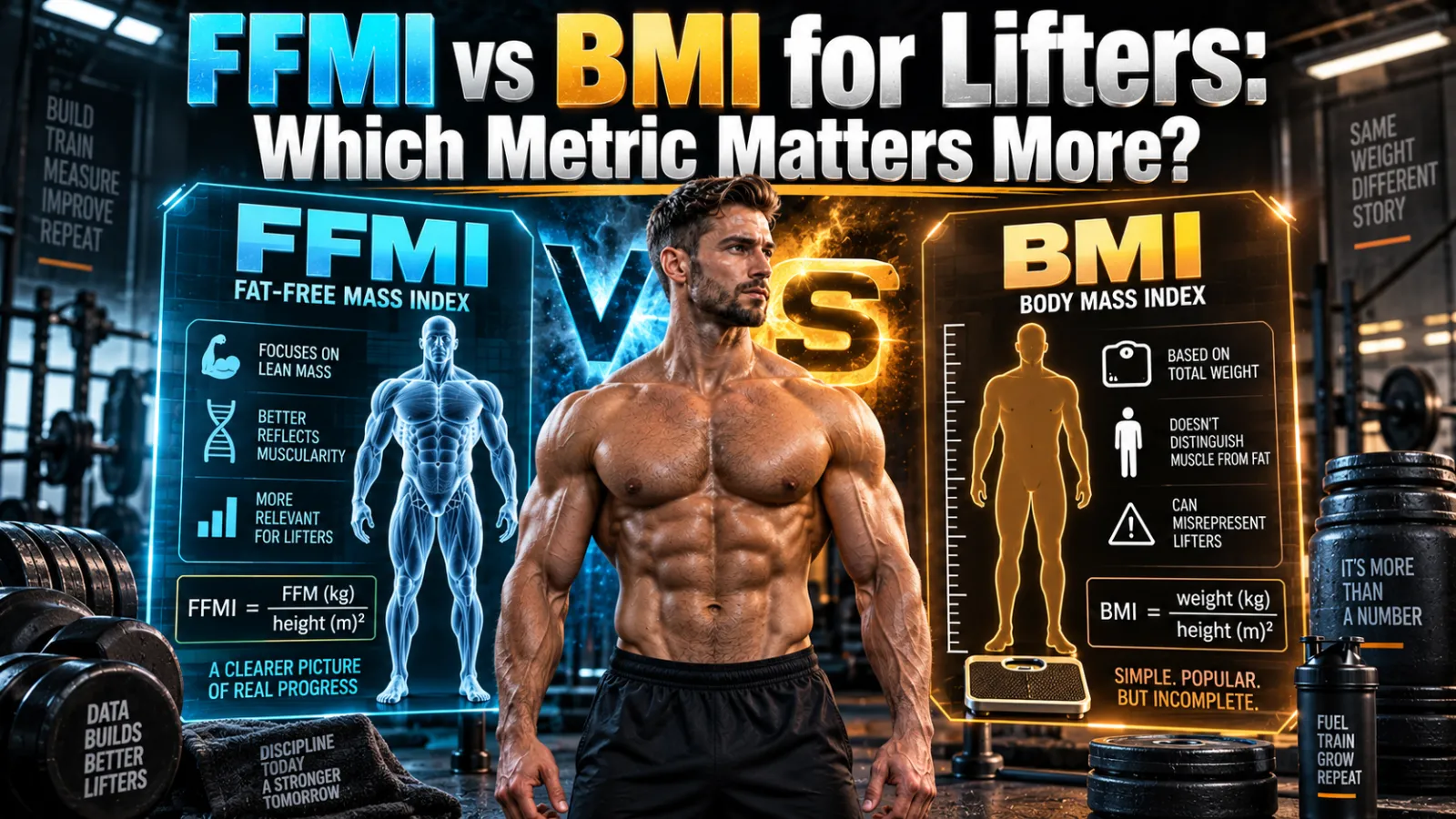
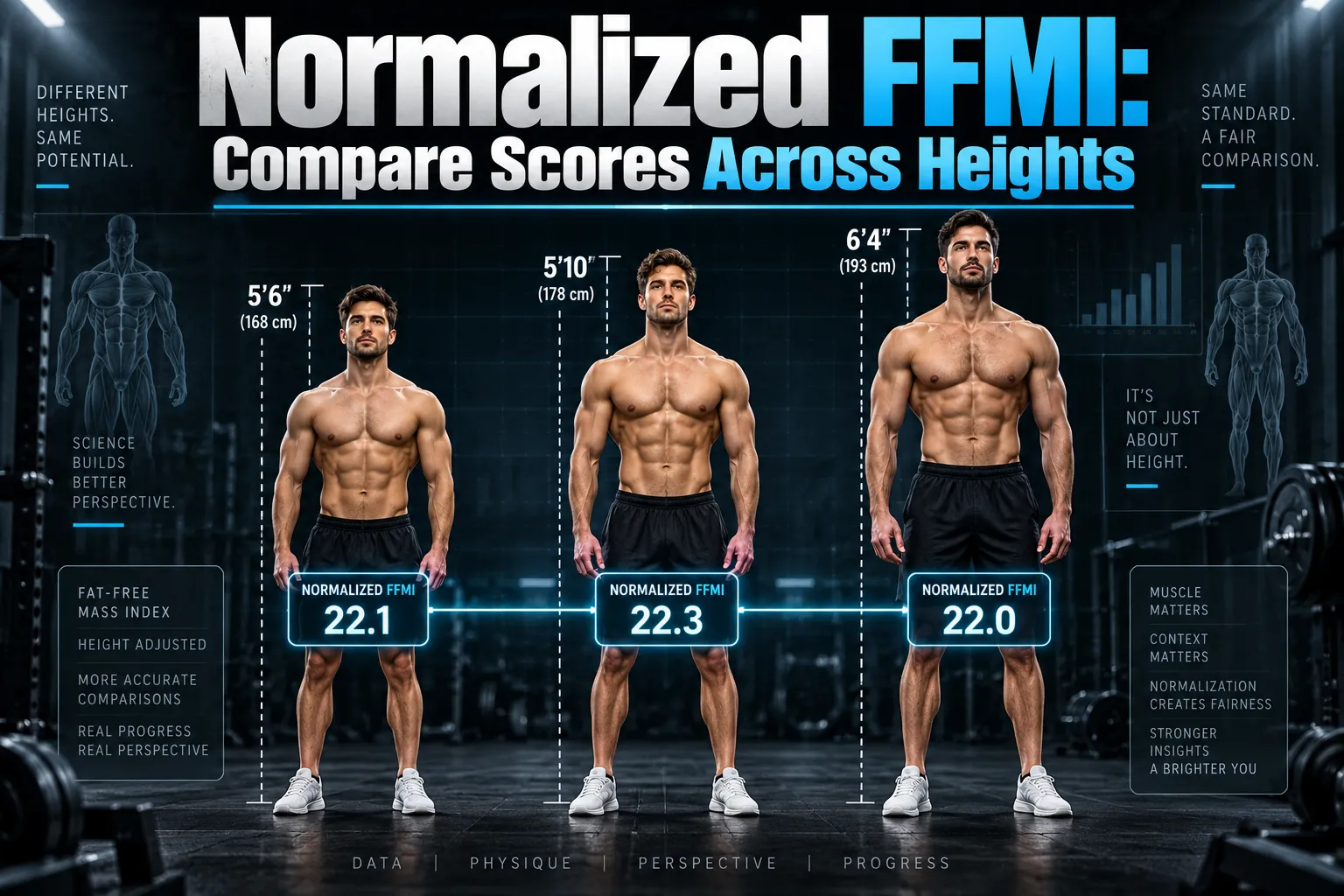
A 2023 study on competitive natural bodybuilders found that men at peak contest condition had average Fat-Free Mass Indexes (FFMI) of 23.4. This is a realistic ceiling after years of dedicated training.
In contrast, professional bodybuilders and physique competitors often achieve FFMI scores between 27 and 32, which is statistically unachievable without pharmaceutical assistance. Avoid comparing yourself to them.
If you raise your testosterone levels but remain within the normal range, you’re unlikely to see significant muscle-building benefits. Natural optimization has its limits.
Testosterone, growth hormone, and IGF-1 levels greatly influence muscle-building potential. Those with higher levels can build muscle 20 to 40 percent faster. Genetics play a substantial role.
Nutrition Essentials for Natural Non-Steroid Weight Lifting
Protein intake is non-negotiable. These growth timelines assume a daily protein intake of 1.6 to 2.2 grams per kilogram of body weight. Make sure to hit this target consistently.
As a natural lifter, it’s crucial to minimize muscle protein breakdown caused by lifting. While adequate protein intake is essential, many overlook the importance of consuming enough calories as well.
During muscle-building phases, aim for a slight caloric surplus. A modest increase of 200 to 500 calories per day will help you gain muscle without excessive fat gain. Being too aggressive can lead to unnecessary fat accumulation.
It’s challenging to maintain a shredded appearance while maximizing muscle growth naturally. It’s rare for a natural lifter to achieve both a full and dry look simultaneously. Typically, you’ll need to choose between looking bigger yet softer or looking ripped yet smaller.
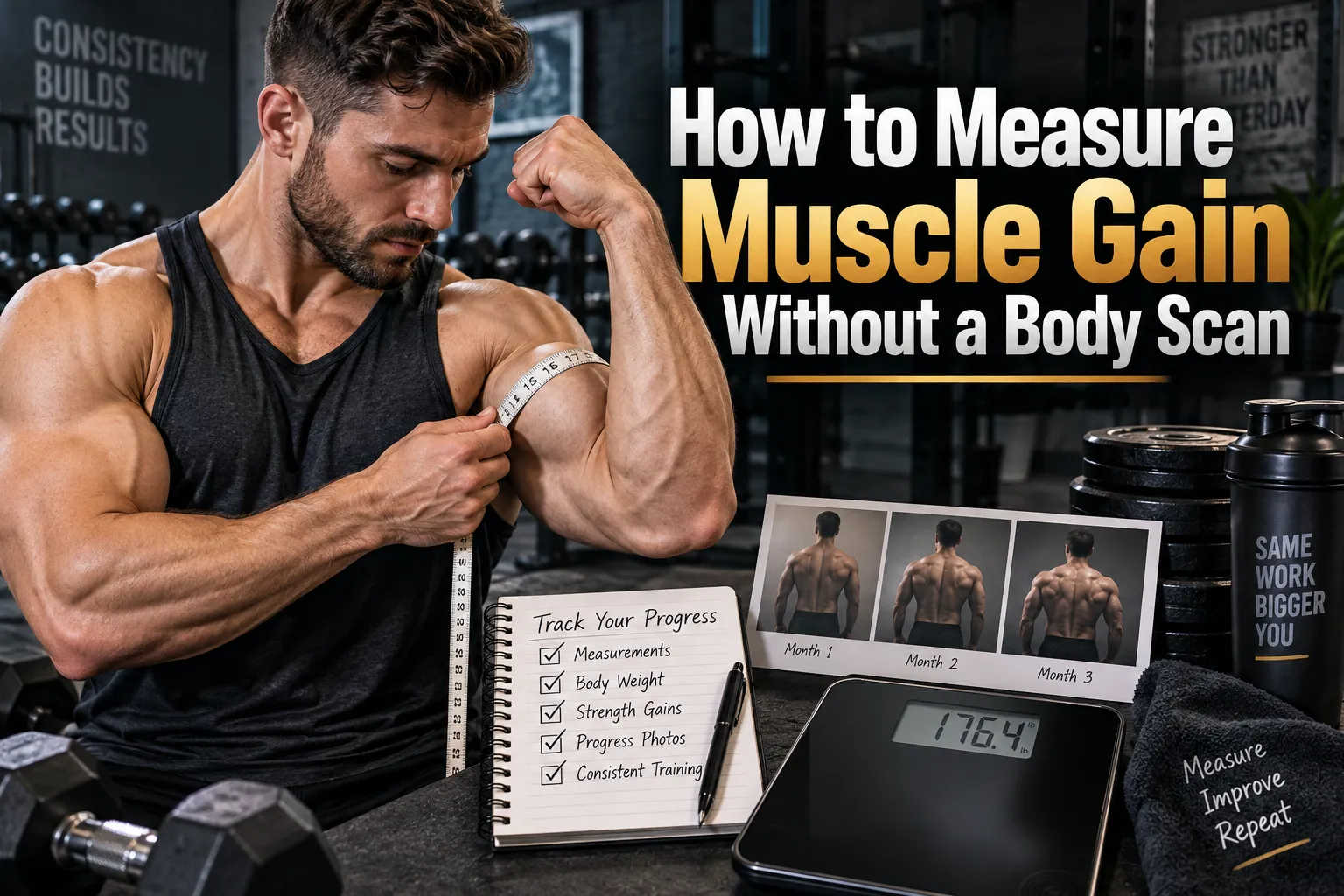
Monitor your muscle gain rates and adjust your caloric intake based on actual results.
Frequently Asked Questions
Can you build an impressive physique with natural non-steroid weight lifting?
Yes, but it typically requires three to five years of consistent training and proper nutrition. You can gain 20 pounds of muscle in your first year and progressively develop a strong, athletic physique. While your results may not match those of enhanced athletes, significant transformations are still possible.
How often should natural lifters train each muscle group?
Train each muscle group two to three times per week. This frequency helps keep protein synthesis elevated more effectively than once-weekly routines. Aim for four to five training days in total, utilizing full-body or upper-lower splits for optimal results.
Why do natural lifters need different programs than enhanced athletes?
Natural lifters have limited recovery capacity and shorter protein synthesis windows. In contrast, enhanced athletes maintain elevated protein synthesis continuously and recover much more quickly. Programs designed for steroid users can lead to overtraining in natural lifters, hindering growth.
How much muscle can you realistically gain per month naturally?
Beginners can expect to gain one to two pounds of muscle per month during their first year. Intermediate lifters may gain half a pound to one pound monthly, while advanced lifters might see only two to four pounds of muscle gain per year. These figures assume proper training, nutrition, and recovery.
What’s the biggest mistake natural lifters make in the gym?
Following high-volume programs meant for enhanced athletes. Natural lifters tend to thrive on 10 to 20 sets per muscle group each week, rather than 25 to 30 or more. Excessive volume can hinder recovery and stall progress entirely.